POS System Price in Kenya: The Ultimate Smart Savings Guide by Tiwi POS
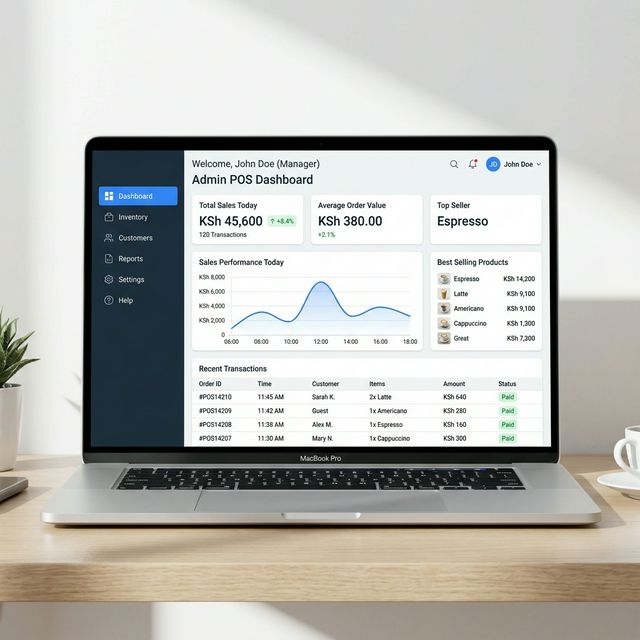
Understanding the true cost of a POS system in Kenya is a critical step for any business looking to digitize operations and improve efficiency. Whether you run a retail shop, restaurant, pharmacy, or supermarket, POS pricing can vary widely depending on the hardware, software, features, and level of customization required. With smart solutions from Tiwi POS, businesses can access flexible pricing options that align with their budget while still delivering powerful functionality and long-term value.
Kenya’s POS market offers everything from affordable mobile-based systems to fully integrated enterprise solutions, giving businesses the freedom to choose what fits their size and operational needs. Integration with M-Pesa enables seamless payment processing, while compliance with Kenya Revenue Authority eTIMS ensures businesses meet regulatory requirements without complications. Tiwi POS focuses on transparency and scalability, allowing businesses to start with essential features and upgrade as they grow, avoiding unnecessary upfront costs.
This ultimate guide breaks down POS system prices in Kenya, covering cost factors, pricing ranges, and what to expect at different investment levels. Whether you are a startup exploring budget-friendly options or an established business seeking a comprehensive system, Tiwi POS provides tailored solutions that help you maximize value, control costs, and invest confidently in the future of your business.
1. Average POS System Prices in Kenya
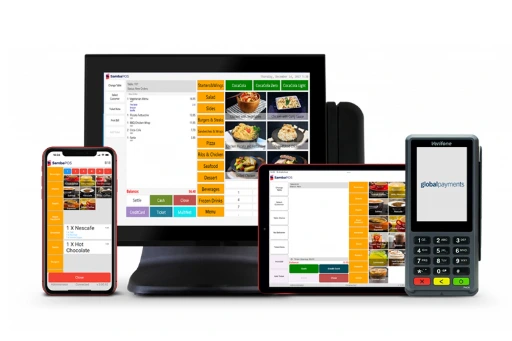
Understanding the average cost of POS systems in Kenya helps businesses plan their investment and choose a solution that fits their budget and operational needs. Prices vary depending on whether you are buying software only, subscribing to a cloud-based system, or investing in a complete hardware setup. The level of features, business size, and scalability requirements also play a major role in determining the final cost.
1.1 Basic POS Software Prices
Basic POS software is the most affordable entry point for businesses transitioning from manual systems.
- Price range – Typically starts from Ksh 11,000 to Ksh 15,000.
- Core functionality – Includes sales tracking, basic inventory management, and simple reports.
- Best suited for – Small shops, kiosks, salons, and startups.
- Ease of use – Minimal setup and training required.
This option is ideal for businesses looking for a low-cost way to digitize operations without investing in full hardware systems.
1.2 Cloud-Based POS System Pricing
Cloud-based POS systems are typically offered through subscription models, making them accessible without a large upfront investment.
- Monthly cost – Usually between Ksh 1,000 and Ksh 3,000, depending on features.
- Remote access – Allows business owners to monitor sales and stock from anywhere.
- Automatic updates – Software is updated regularly without extra cost.
- Scalability – Businesses can upgrade plans as they grow.
This pricing model is suitable for businesses that prefer manageable monthly expenses and flexibility.
1.3 Complete POS System Costs (Hardware + Software)
Complete POS systems include both software and all necessary hardware components for running a professional setup.
- Price range – Typically between Ksh 50,000 and Ksh 100,000 or more.
- Includes equipment – POS terminal, receipt printer, barcode scanner, and cash drawer.
- High reliability – Suitable for businesses with heavy daily transactions.
- Best for – Supermarkets, restaurants, pharmacies, and busy retail shops.
Although the upfront cost is higher, this option provides a comprehensive and durable solution.
1.4 Advanced or Enterprise POS System Costs
Advanced POS systems are designed for large businesses with complex operations and multiple locations.
- Cost level – Can exceed Ksh 100,000 depending on features and scale.
- Advanced features – Includes multi-branch management, detailed analytics, and integrations with accounting or ERP systems.
- Customization – Tailored to specific business workflows and requirements.
- Scalability – Supports large operations and long-term growth.
These systems are ideal for enterprises that require full control, automation, and deep business insights.
POS system prices in Kenya vary widely depending on the type of solution. Basic software can start from as low as Ksh 11,000, while cloud-based systems offer flexible monthly pricing between Ksh 1,000 and Ksh 3,000. Complete POS setups with hardware range from Ksh 50,000 to Ksh 100,000 or more, and advanced enterprise systems can exceed that depending on complexity. By understanding these price ranges, businesses can choose a POS solution that aligns with their budget, operational needs, and long-term growth plans.
2. POS Hardware Prices in Kenya
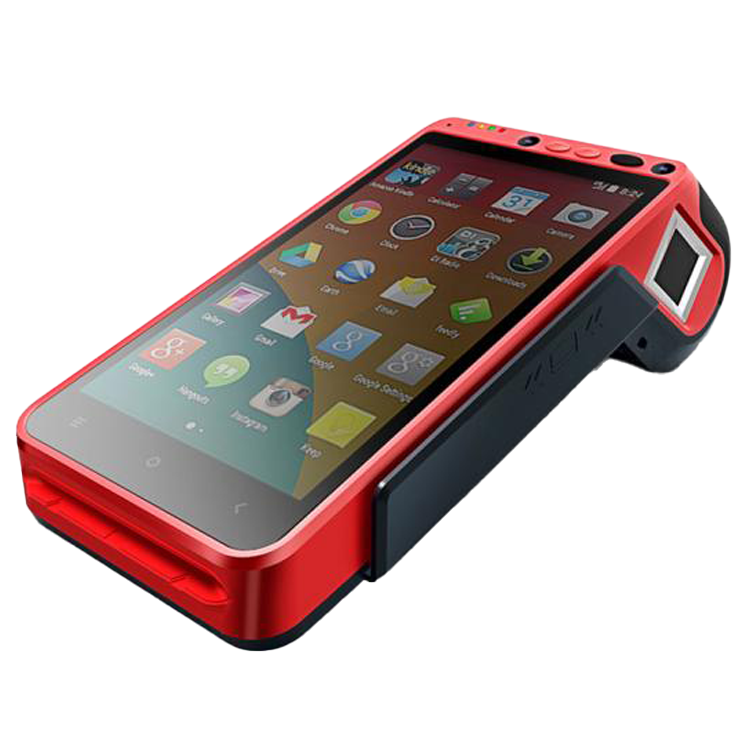
POS hardware is a key part of any point-of-sale setup, and its cost varies depending on the type of device, performance level, and business requirements. From simple handheld payment devices to full touchscreen systems, Kenyan businesses can choose hardware that matches their budget and operational scale. Understanding these price categories helps in planning a cost-effective yet reliable POS investment.
2.1 Basic POS Machines (Card Readers or Handheld Devices)
Basic POS machines are the most affordable hardware option and are mainly used for accepting digital payments.
- Price range – Typically between Ksh 10,000 and Ksh 12,000.
- Primary function – Accepts card payments and sometimes mobile money transactions.
- Portability – Small, lightweight, and ideal for mobile businesses.
- Best for – Small shops, kiosks, delivery businesses, and service providers.
These devices are a great starting point for businesses looking to move away from cash-only operations.
2.2 Entry-Level POS Terminals
Entry-level POS terminals provide a more structured setup for businesses that need more than just payment processing.
- Price range – Between Ksh 20,000 and Ksh 40,000.
- Includes – Basic terminal (desktop or touchscreen) for processing sales.
- Improved functionality – Supports inventory tracking and reporting.
- Best suited for – Small to medium retail shops and growing businesses.
This option offers a balance between affordability and functionality for businesses expanding their operations.
2.3 All-in-One Touchscreen POS Systems
All-in-one POS systems combine hardware components into a single integrated device, offering a cleaner and more professional setup.
- Price range – Approximately Ksh 50,000 to Ksh 75,000.
- Integrated design – Combines terminal, display, and sometimes printer in one unit.
- Faster operations – Optimized for quick transactions and high efficiency.
- Best for – Restaurants, supermarkets, and busy retail environments.
These systems are ideal for businesses that need speed, reliability, and a modern checkout experience.
2.4 High-End POS Systems With Advanced Features
High-end POS systems are designed for large businesses with complex operations and high transaction volumes.
- Price range – Can exceed Ksh 100,000 depending on configuration.
- Advanced capabilities – Supports multiple terminals, integrations, and high-speed processing.
- Durability – Built for continuous use in busy environments.
- Best for – Supermarkets, large retail chains, hotels, and enterprise businesses.
These systems offer maximum performance and scalability for demanding business environments
POS hardware prices in Kenya vary depending on the type of device and business requirements. Basic handheld payment devices cost around Ksh 10,000 to Ksh 12,000, while entry-level terminals range from Ksh 20,000 to Ksh 40,000. All-in-one touchscreen systems typically cost between Ksh 50,000 and Ksh 75,000, and high-end systems can exceed Ksh 100,000. By understanding these options, businesses can select hardware that fits their budget while supporting efficient and reliable operations.
3. POS Software Pricing in Kenya
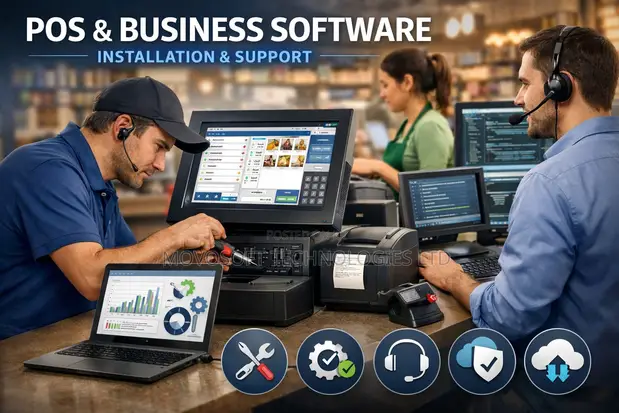
POS software pricing in Kenya varies depending on how the system is delivered, the features included, and the level of support provided. Businesses can choose between one-time license models, subscription-based systems, or bundled solutions that include hardware and services. Understanding these pricing structures helps businesses select a solution that fits both their budget and operational needs.
3.1 One-Time POS Software Licenses
One-time POS software licenses are a popular option for businesses that prefer a single upfront payment instead of ongoing subscriptions.
- Price range – Typically between Ksh 13,000 and Ksh 45,000 depending on features.
- No recurring fees – Once purchased, the software can be used without monthly payments.
- Offline capability – Many licensed systems work without constant internet access.
- Best for – Small businesses that want predictable costs and simple setups.
However, some updates or advanced features may require additional payments over time.
3.2 Subscription-Based POS Software
Subscription-based POS systems are becoming increasingly popular due to their flexibility and lower upfront cost.
- Monthly pricing – Usually between Ksh 1,000 and Ksh 3,000 depending on features.
- Cloud access – Enables remote monitoring and multi-device usage.
- Automatic updates – Software improvements are included without manual upgrades.
- Scalable plans – Businesses can upgrade as they grow.
This model is ideal for businesses that want flexibility and continuous improvements without large initial investment.
3.3 Advanced Software With Analytics and Integrations
Advanced POS software includes additional features that go beyond basic sales and inventory management.
- Enhanced analytics – Provides detailed insights into sales trends, profits, and performance.
- Integrations – Connects with accounting systems, CRM tools, and payment platforms.
- Multi-branch support – Allows centralized management of multiple locations.
- Customization – Tailored workflows to match complex business operations.
These systems cost more but deliver greater value for growing and large businesses.
3.4 Bundled Software Packages
Some providers offer bundled POS solutions that combine software with hardware and support services.
- All-in-one packages – Include software, hardware, installation, and training.
- Simplified purchasing – Businesses deal with a single provider.
- Better compatibility – Ensures all components work together seamlessly.
- Ongoing support – Often includes maintenance and technical assistance.
These bundles are convenient and reduce the complexity of setting up a POS system.
POS software pricing in Kenya ranges from one-time licenses costing Ksh 13,000 to Ksh 45,000, to subscription-based systems priced between Ksh 1,000 and Ksh 3,000 per month. Advanced systems with analytics and integrations cost more depending on features, while bundled packages combine software, hardware, and support for a complete solution. By understanding these pricing options, businesses can choose a POS system that aligns with their budget, operational needs, and long-term growth plans.
4. Cost of a Complete POS Setup
The total cost of a complete POS setup in Kenya depends on the size of the business, the number of devices required, and the level of features needed. A “complete setup” typically includes both software and hardware, as well as optional services like installation, configuration, and staff training. Understanding these cost tiers helps businesses plan effectively and invest in a system that supports their operations both now and in the future.
4.1 Small Business POS Setup Costs
Small businesses can set up a functional POS system at a relatively low cost, making it accessible for startups and SMEs.
- Price range – Typically between Ksh 30,000 and Ksh 60,000.
- Basic components – May include a tablet or computer, POS software, and optionally a receipt printer.
- Simple operations – Suitable for businesses with fewer products and lower transaction volumes.
- Low maintenance – Easier to manage and requires minimal technical expertise.
This level is ideal for small retail shops, kiosks, salons, and cafés that need essential POS functionality without heavy investment.
4.2 Medium-Sized Business POS Setup Costs
Medium-sized businesses require more robust systems to handle higher transaction volumes and more complex operations.
- Price range – Between Ksh 60,000 and Ksh 100,000.
- Expanded hardware – Includes terminals, barcode scanners, receipt printers, and cash drawers.
- Better inventory control – Handles larger product databases and stock tracking.
- Improved reporting – Provides deeper insights into sales and performance.
This setup is suitable for supermarkets, restaurants, pharmacies, and growing retail businesses that need efficiency and scalability.
4.3 Large Business or Supermarket POS Setup Costs
Large businesses and supermarkets require advanced POS systems designed for high performance and multi-location operations.
- Price range – Ksh 100,000 and above depending on complexity.
- Multiple terminals – Supports several checkout points simultaneously.
- Advanced features – Includes multi-branch management, detailed analytics, and integrations.
- High reliability – Built for continuous operation in busy environments.
These systems are ideal for large-scale operations where speed, accuracy, and centralized control are critical
4.4 Installation, Training, and Support Costs
In addition to hardware and software, businesses should consider service-related costs when budgeting for a POS system.
- Installation services – Professional setup ensures all components work correctly.
- Staff training – Helps employees learn how to use the system efficiently.
- Technical support – Ongoing assistance for troubleshooting and maintenance.
- Bundled vs separate costs – Some providers include these services in packages, while others charge separately.
These services are important for ensuring smooth operation and long-term system performance.
The cost of a complete POS setup in Kenya varies depending on business size and requirements. Small businesses can expect to spend between Ksh 30,000 and Ksh 60,000, medium-sized businesses between Ksh 60,000 and Ksh 100,000, and large enterprises over Ksh 100,000. Additional costs such as installation, training, and support may be included or charged separately. By understanding these cost levels, businesses can choose a POS setup that balances affordability with efficiency and long-term value.
5. Factors That Affect POS System Price
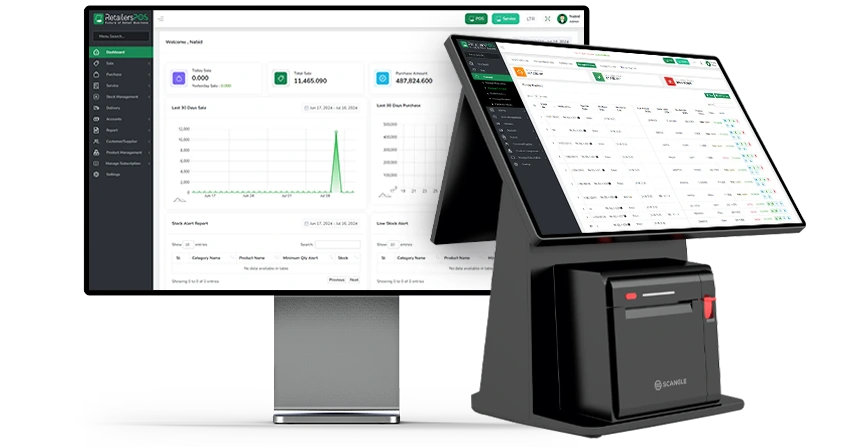
The cost of a POS system in Kenya is influenced by several key factors that go beyond just the software or hardware itself. Businesses often find that pricing varies significantly depending on their specific needs, scale of operations, and level of customization required. Understanding these factors helps in making a more informed decision and avoiding unexpected costs.
5.1 Type of Business
Different industries require different POS functionalities, which directly affects pricing.
- Retail businesses – Need strong inventory tracking, barcode scanning, and fast checkout systems.
- Restaurants and cafés – Require order management, kitchen display systems, and table handling features.
- Service businesses – Focus more on appointments, billing, and customer records.
- Specialized industries – Pharmacies or hardware stores may need more detailed inventory and reporting tools.
The more specialized the system requirements, the higher the cost is likely to be.
5.2 Hardware Requirements
The number and type of hardware components required play a major role in determining the total cost.
- Single device setup – Lower cost for small businesses using one terminal or tablet.
- Multiple devices – Additional terminals, printers, and scanners increase overall investment.
- Quality of hardware – Higher-quality devices cost more but offer better durability and performance.
- Business size impact – Larger operations need more equipment to support multiple users or checkout points.
Hardware costs can quickly increase depending on how complex the setup is.
5.3 Software Features
The range and depth of software features significantly affect pricing.
- Basic features – Sales tracking and simple inventory management are more affordable.
- Advanced analytics – Detailed reporting and insights increase system value and cost.
- Integrations – Linking with accounting systems, CRM, or payment platforms adds complexity.
- Automation tools – Features like stock alerts, automated billing, and reporting may raise the price.
Businesses should focus on features that directly support their operations to avoid unnecessary costs.
5.4 Number of Users or Branches
The size of the business in terms of users and locations also impacts pricing.
- Single-user systems – Lower cost and simpler setup.
- Multiple users – Additional staff accounts may require higher-tier plans.
- Multi-branch operations – Systems that connect multiple locations are more expensive.
- Centralized management – Advanced systems for controlling multiple outlets add to the cost.
As businesses grow, these factors naturally increase the overall POS investment.
5.5 Installation and Training
Professional services such as installation and training can influence the total cost of a POS system.
- Installation fees – Ensures proper setup of hardware, software, and network.
- Staff training – Helps employees use the system efficiently from day one.
- Ongoing support – Technical assistance may be included or charged separately.
- Reduced errors – Proper setup and training prevent costly mistakes later.
While these services may add to the initial cost, they provide long-term value and reliability.
The price of a POS system in Kenya is influenced by factors such as the type of business, hardware requirements, software features, number of users or branches, and installation or training services. By understanding these elements, businesses can choose a POS system that fits their budget while still meeting operational needs and supporting future growth.
6. Types of POS Systems by Price Range
 ystems in Kenya can be broadly categorized based on their price range, which often reflects the level of features, hardware, and overall capability. Understanding these categories helps businesses choose a system that matches their budget while still meeting their operational needs. From low-cost entry systems to high-end enterprise solutions, each tier serves a different type of business.
6.1 Low-Cost POS (Ksh 10,000 – Ksh 30,000)
Low-cost POS systems are designed for businesses that need basic functionality without a heavy financial investment. These systems focus on simplicity and accessibility.
- Type of system – Often mobile POS (mPOS) or basic software installed on a phone, tablet, or laptop.
- Minimal hardware needs – May not require dedicated terminals; optional devices can be added later.
- Core features only – Includes sales tracking, basic inventory, and simple reporting.
- Best for – Small shops, kiosks, salons, startups, and mobile vendors.
These systems are ideal for businesses starting out or those with low transaction volumes, offering a cost-effective entry into digital operations.
6.2 Mid-Range POS (Ksh 30,000 – Ksh 70,000)
Mid-range POS systems provide a balance between affordability and functionality, making them suitable for growing businesses.
- Includes hardware and software – Often comes with a terminal, printer, and sometimes a barcode scanner.
- Improved features – Better inventory control, reporting, and multi-user support.
- More structured operations – Suitable for businesses with moderate transaction volumes.
- Best for – Growing retail shops, small supermarkets, cafés, and restaurants.
This category is popular because it offers stronger performance and flexibility without reaching enterprise-level costs.
6.3 High-End POS (Ksh 70,000 – Ksh 150,000+)
High-end POS systems are built for businesses that require advanced features, high reliability, and the ability to manage complex operations.
- Full system setup – Includes multiple terminals, printers, scanners, and integrated software.
- Advanced capabilities – Multi-branch management, detailed analytics, and integrations with other business systems.
- High performance – Designed for busy environments with large transaction volumes.
- Best for – Supermarkets, large restaurants, wholesalers, and multi-branch businesses.
Although the cost is higher, these systems deliver powerful tools for managing large-scale operations efficiently.
POS systems in Kenya can be grouped into low-cost, mid-range, and high-end categories based on price and capability. Low-cost systems (Ksh 10,000 – Ksh 30,000) are ideal for small businesses and startups, mid-range systems (Ksh 30,000 – Ksh 70,000) suit growing businesses with moderate needs, and high-end systems (Ksh 70,000 – Ksh 150,000+) are designed for large operations requiring advanced features and scalability. Choosing the right category ensures businesses get the best value while supporting efficient operations and future growth.
7. Benefits of Investing in a POS System

Investing in a POS system is one of the most impactful decisions a business can make when transitioning from manual operations to a more structured and efficient system. Beyond just processing sales, a POS system becomes the central tool that connects transactions, inventory, reporting, and customer service. For businesses in Kenya, this investment helps improve accuracy, save time, and support long-term growth.
7.1 Improves Efficiency and Speeds Up Transactions
A POS system significantly improves how quickly and smoothly transactions are handled.
- Faster checkout process – Items can be scanned or selected instantly, reducing queues.
- Automated calculations – Totals, discounts, and taxes are computed automatically.
- Streamlined workflow – Reduces repetitive manual tasks such as writing receipts.
- Higher productivity – Staff can serve more customers within a shorter time.
This efficiency is especially important in busy retail shops, restaurants, and supermarkets where speed directly impacts customer satisfaction.
7.2 Reduces Manual Errors in Sales and Stock Management
Manual systems are prone to mistakes that can lead to financial losses and poor recordkeeping. A POS system minimizes these risks through automation.
- Accurate pricing – Products are preloaded with correct prices, eliminating guesswork.
- Error-free calculations – Removes mistakes in totals, change, and tax calculations.
- Real-time stock updates – Automatically adjusts inventory after each sale.
- Consistent recordkeeping – Ensures all transactions are properly recorded.
Reducing errors improves accountability and protects business revenue.
7.3 Provides Real-Time Insights Into Business Performance
A POS system gives business owners access to valuable data that helps them make informed decisions.
- Live sales tracking – Monitor performance throughout the day.
- Inventory insights – Identify fast-moving and slow-moving products.
- Profit analysis – Understand margins and revenue trends.
- Decision support – Use data to improve pricing, stock planning, and promotions.
This shifts business management from guesswork to data-driven decision-making.
7.4 Enhances Customer Experience Through Faster Service
Customer experience is directly influenced by how efficiently transactions are handled.
- Reduced waiting time – Faster service leads to shorter queues.
- Smooth transactions – Fewer errors reduce disputes and delays.
- Multiple payment options – Supports cash, card, and mobile money.
- Professional image – Digital receipts and organized processes improve trust.
Better customer experience leads to higher satisfaction, repeat business, and stronger brand reputation.
Investing in a POS system improves efficiency, reduces manual errors, provides real-time business insights, and enhances customer experience. These benefits make it an essential tool for businesses in Kenya looking to operate more professionally, increase productivity, and support long-term growth.
8. Why Choose Tiwi POS for POS Systems in Kenya
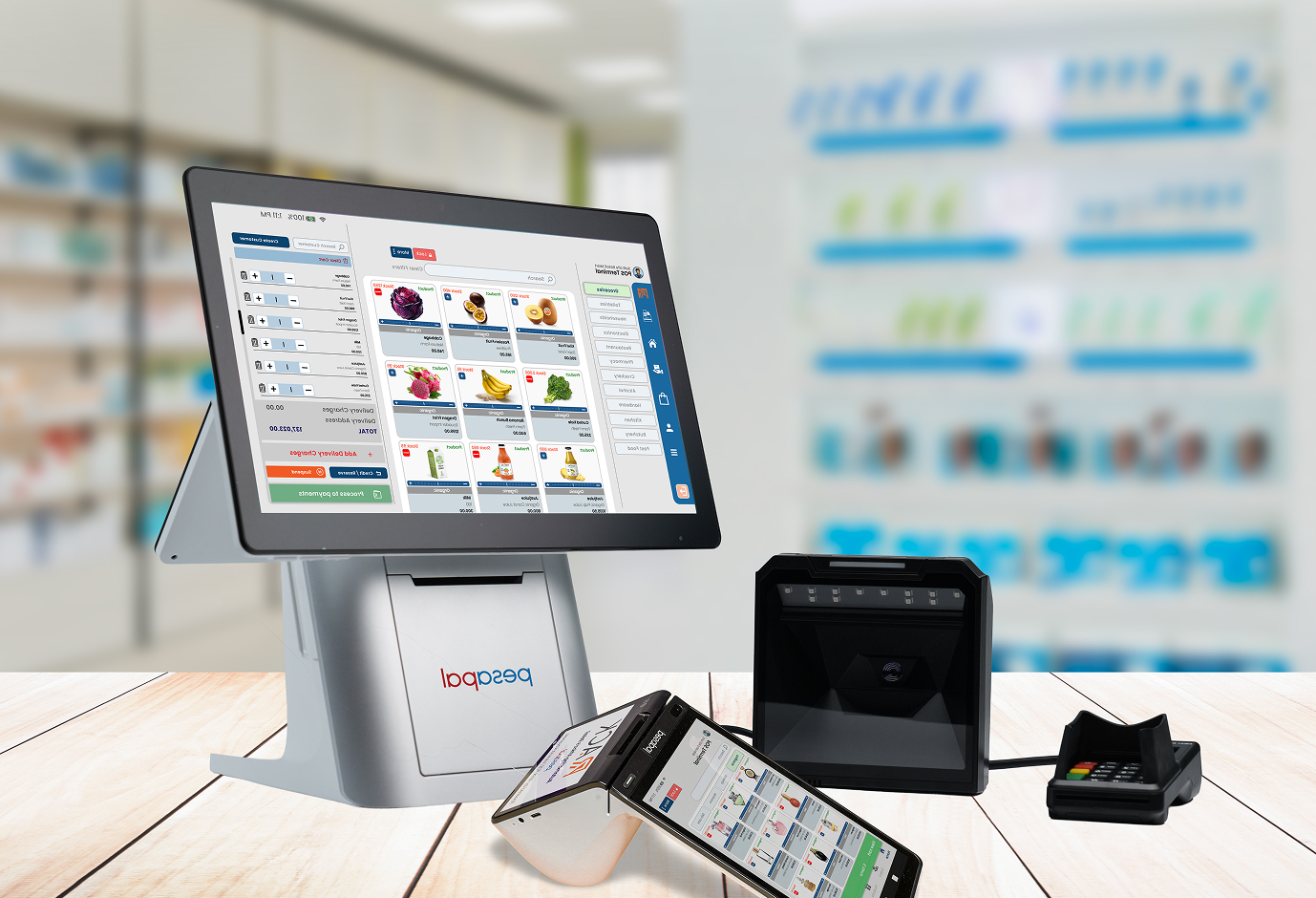
Choosing the right POS provider is critical for ensuring your system delivers real value to your business. Beyond pricing, businesses need a provider that understands local market needs, offers reliable systems, and provides ongoing support. Tiwi POS stands out by delivering practical, scalable, and business-focused solutions tailored for Kenyan businesses of all sizes.
8.1 Affordable and Scalable POS Solutions Tailored to Kenyan Businesses
Tiwi POS focuses on providing solutions that align with the realities of businesses operating in Kenya.
- Localized functionality – Designed to support retail, hospitality, and service-based businesses.
- M-Pesa compatibility – Supports mobile money payments widely used in Kenya.
- Scalable systems – Businesses can start small and expand as they grow.
- Value-driven solutions – Focus on essential features that improve daily operations.
This ensures businesses get systems that are both practical and cost-effective.
8.2 Flexible Pricing Packages for Small and Large Enterprises
Tiwi POS offers flexible pricing models that cater to different business sizes and budgets.
- Entry-level options – Affordable solutions for startups and small businesses.
- Custom packages – Pricing tailored to business size and operational needs.
- Scalable plans – Upgrade features as your business grows.
- Cost control – Avoid paying for unnecessary features.
This flexibility allows businesses to invest in a POS system without financial strain.
8.3 Complete Services Including Hardware, Software, Installation, and Training
One of the biggest advantages of Tiwi POS is the availability of complete end-to-end solutions.
- Hardware supply – Terminals, printers, scanners, and payment devices.
- Software configuration – Setup of products, pricing, users, and reports.
- Professional installation – Ensures all components work seamlessly.
- Staff training – Prepares employees to use the system effectively.
This all-in-one approach simplifies the process and reduces setup errors.
8.4 Reliable Support and Maintenance After Installation
Ongoing support is essential for keeping a POS system running smoothly over time.
- Technical support – Quick assistance when issues arise.
- System maintenance – Keeps hardware and software functioning properly.
- Troubleshooting services – Minimizes downtime and business disruption.
- Long-term reliability – Ensures consistent performance as the business grows.
This support gives businesses confidence and protects their investment.
Tiwi POS is a reliable choice for POS systems in Kenya because it combines affordability, flexibility, and complete service delivery. With tailored solutions, scalable pricing, full installation packages, and ongoing support, Tiwi POS helps businesses operate efficiently and grow sustainably. It is an ideal partner for businesses seeking practical, long-term POS solutions in Kenya.
10. FAQs on POS System Price in Kenya
Understanding POS system pricing can be confusing for many businesses, especially when comparing different options. Below are detailed answers to common questions to help you make an informed decision when investing in a POS system in Kenya.
10.1 What is the cheapest POS system in Kenya?
The cheapest POS systems in Kenya are usually basic software solutions designed for small businesses.
- Starting price – Around Ksh 11,000 to Ksh 15,000 depending on features.
- Core functionality – Includes sales tracking, basic inventory, and simple reports.
- Best suited for – Small shops, kiosks, and startups.
- Limitations – May lack advanced analytics, integrations, or multi-branch support.
These systems are ideal for businesses looking to digitize operations at minimal cost.
10.2 How much does a full POS system cost?
A full POS system includes both hardware and software components.
- Typical cost range – Between Ksh 50,000 and Ksh 100,000 depending on setup.
- Includes hardware – Terminal, receipt printer, barcode scanner, and cash drawer.
- Feature variation – More advanced features increase the overall cost.
- Business size impact – Larger businesses require more complex setups.
This option is suitable for businesses that want a complete and professional solution.
10.3 Are there monthly fees for POS systems?
Yes, many POS systems—especially cloud-based ones—operate on subscription models.
- Monthly cost – Typically Ksh 1,000 to Ksh 3,000 depending on features.
- Included services – Updates, cloud storage, and sometimes support.
- Flexible plans – Businesses can upgrade or downgrade based on needs.
- Budget advantage – Predictable recurring costs help with financial planning.
Subscription systems are popular for their flexibility and ongoing improvements.
10.4 Can I get a POS system without hardware?
Yes, modern POS systems can run without dedicated hardware.
- Mobile POS (mPOS) – Works on smartphones or tablets.
- Lower startup cost – No need to purchase expensive equipment.
- Flexible usage – Ideal for mobile businesses and small setups.
- Optional upgrades – Hardware can be added later if needed.
This option is ideal for startups and small businesses looking to minimize costs.
10.5 What is included in a POS system?
A POS system typically includes both hardware and software components.
- Hardware – Terminal or tablet, receipt printer, barcode scanner, and cash drawer.
- Software – Handles sales, inventory tracking, and reporting.
- Payment integration – Supports cash, card, and mobile money.
- Optional features – Advanced analytics, CRM, and multi-branch management.
The exact components depend on the business type and system complexity.
10.6 Is POS worth the cost for small businesses?
Yes, a POS system is a valuable investment even for small businesses.
- Improves efficiency – Speeds up transactions and reduces manual work.
- Enhances accuracy – Minimizes pricing and calculation errors.
- Better tracking – Helps monitor sales and inventory.
- Supports growth – Provides a structured system for scaling operations.
The long-term benefits often outweigh the initial cost.
10.7 Can POS systems integrate with M-Pesa?
Yes, most modern POS systems in Kenya support mobile money integration.
- M-Pesa support – Enables fast and convenient transactions.
- Automatic recording – Tracks payments in real time.
- Multiple payment options – Supports cash, card, and mobile money.
- Improved convenience – Meets customer expectations in Kenya.
This is a key feature for businesses operating in the Kenyan market.
10.8 Does installation cost extra?
Installation costs can vary depending on the provider and package.
- Bundled packages – Some providers include installation and training.
- Separate charges – Others may charge additional setup fees.
- Professional setup value – Ensures proper configuration and reduces errors.
- Training inclusion – Helps staff use the system effectively from day one.
It is important to confirm what is included when choosing a provider.
10.9 Can I upgrade my POS system later?
Yes, most POS systems are designed to be scalable.
- Add features – Upgrade to advanced tools as needed.
- Expand users – Support more staff and devices.
- Multi-branch capability – Manage multiple locations from one system.
- Long-term investment – Avoid replacing the system as the business grows.
Scalability ensures the POS system remains useful over time.
10.10 Why choose Tiwi POS?
Tiwi POS is a reliable provider for businesses looking for affordable and efficient POS solutions in Kenya.
- Affordable pricing – Solutions designed to fit different budgets.
- Reliable systems – Ensures smooth and consistent operations.
- Complete services – Includes hardware, software, installation, and training.
- Ongoing support – Provides maintenance and technical assistance.
This makes Tiwi POS a strong partner for businesses seeking long-term value.
POS system pricing in Kenya varies depending on the type of solution, features, and services included. From affordable basic software to full hardware setups, businesses have multiple options to choose from. With features like mobile money integration, scalability, and reporting, POS systems provide strong operational benefits. By selecting the right system and provider—such as Tiwi POS—businesses can achieve efficiency, accuracy, and long-term growth.
Choose the Right POS System at the Right Price in Kenya

POS system prices in Kenya vary widely depending on the type of system, the features included, and the hardware required for daily operations. From simple mobile POS solutions for small businesses to advanced fully integrated systems for larger enterprises, the market offers options that suit different business needs and financial plans. Understanding these pricing differences helps businesses make informed choices that align with both their operational goals and their budgets.
The cost of a POS system should always be viewed in relation to the value it brings to the business. A well-chosen system can improve transaction speed, reduce stock errors, simplify reporting, and enhance customer service, making it a worthwhile investment rather than just an expense. Whether a business is looking for a basic setup or a more comprehensive solution, selecting the right features and support package is essential for getting maximum return on investment.
Working with a trusted provider can make the decision much easier and more cost-effective. With Tiwi POS, businesses can find solutions that match their size, industry, and budget while benefiting from reliable guidance and professional support. Visit Tiwi POS today to learn more about POS system pricing in Kenya