Importance of a POS System in a Business

Introduction: Why Every Business Needs a POS System
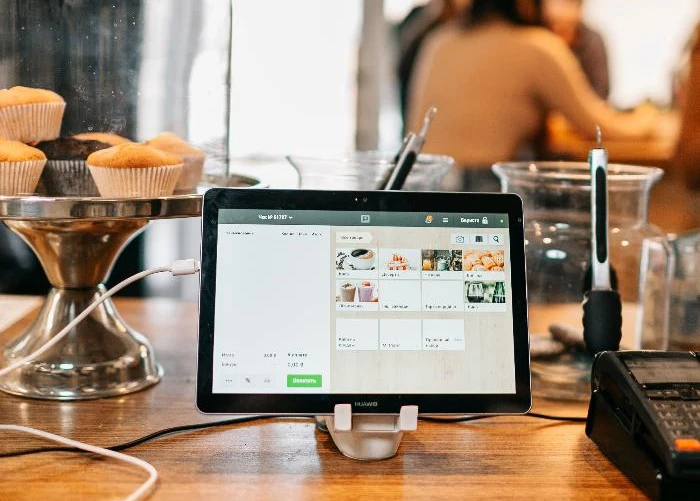
In today’s fast-paced and competitive business environment, efficiency, accuracy, and customer satisfaction are key to success. Whether you run a retail shop, supermarket, restaurant, pharmacy, or service-based business, having the right tools can make a significant difference. One of the most essential tools modern businesses rely on is a Point of Sale (POS) system.
A POS system is more than just a tool for processing transactions—it is a comprehensive business management solution that helps streamline operations, track sales, manage inventory, and improve customer experiences. Businesses in Kenya and across the globe are increasingly adopting POS systems to replace manual processes and outdated cash registers.
This article explores the importance of a POS system in a business, its benefits, and why investing in one is a smart move for long-term growth.
What is a POS System?
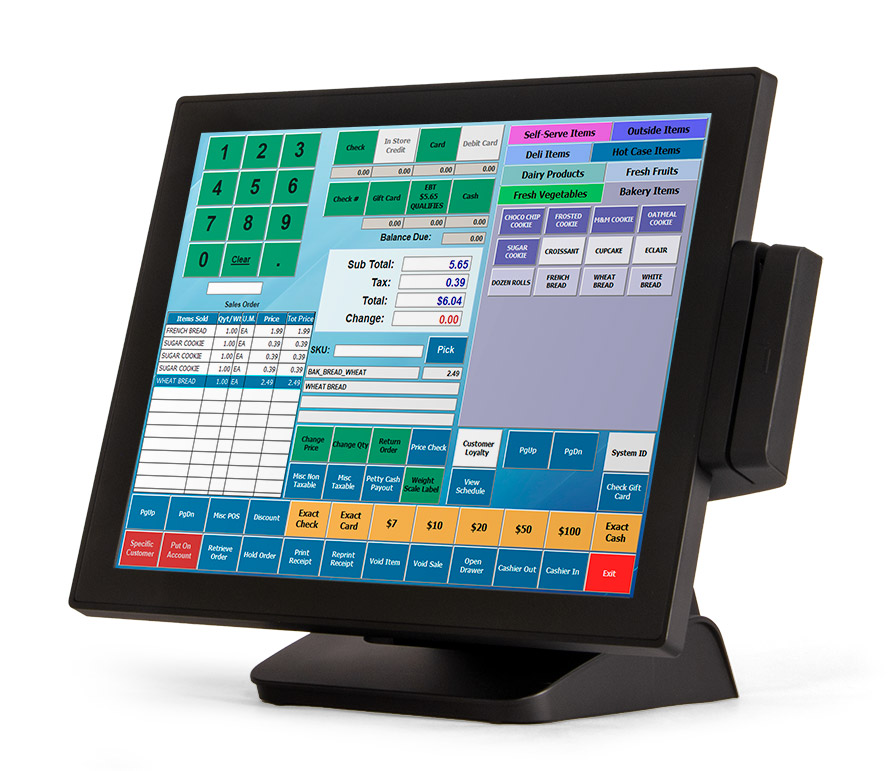
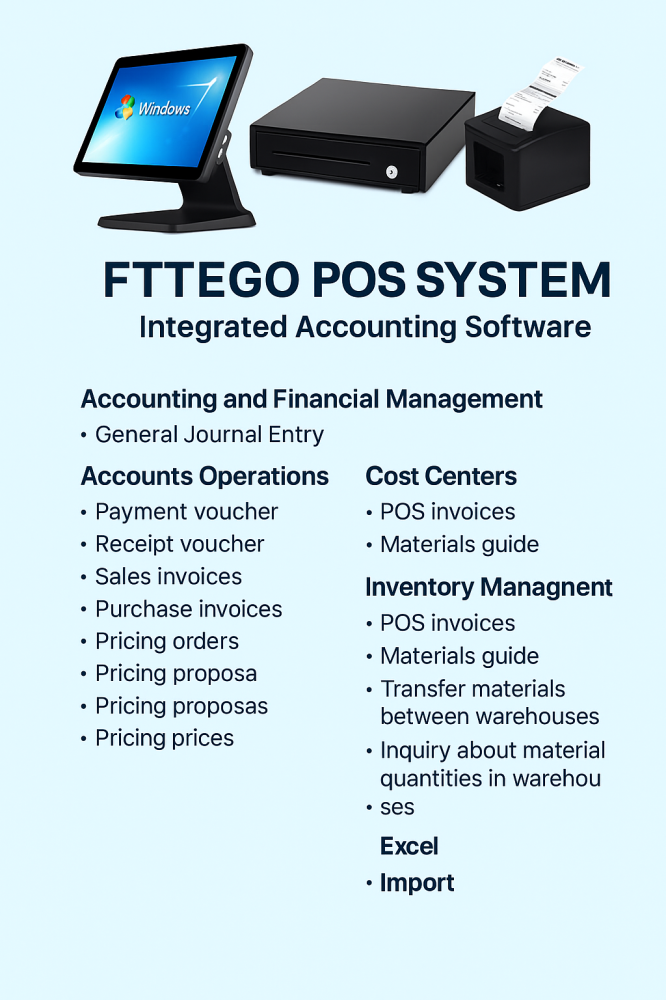
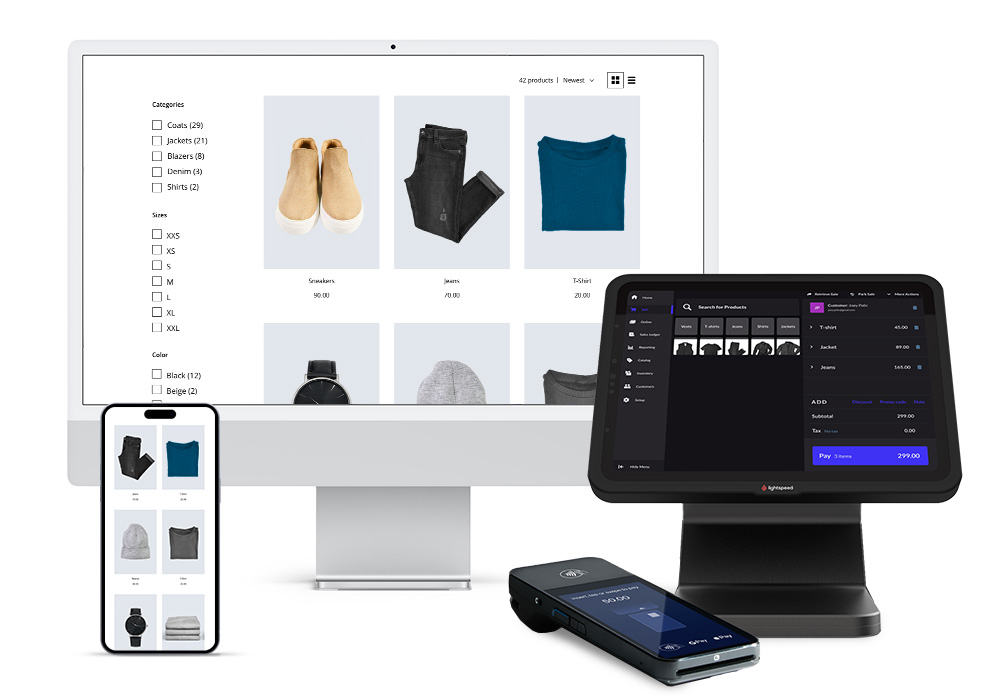
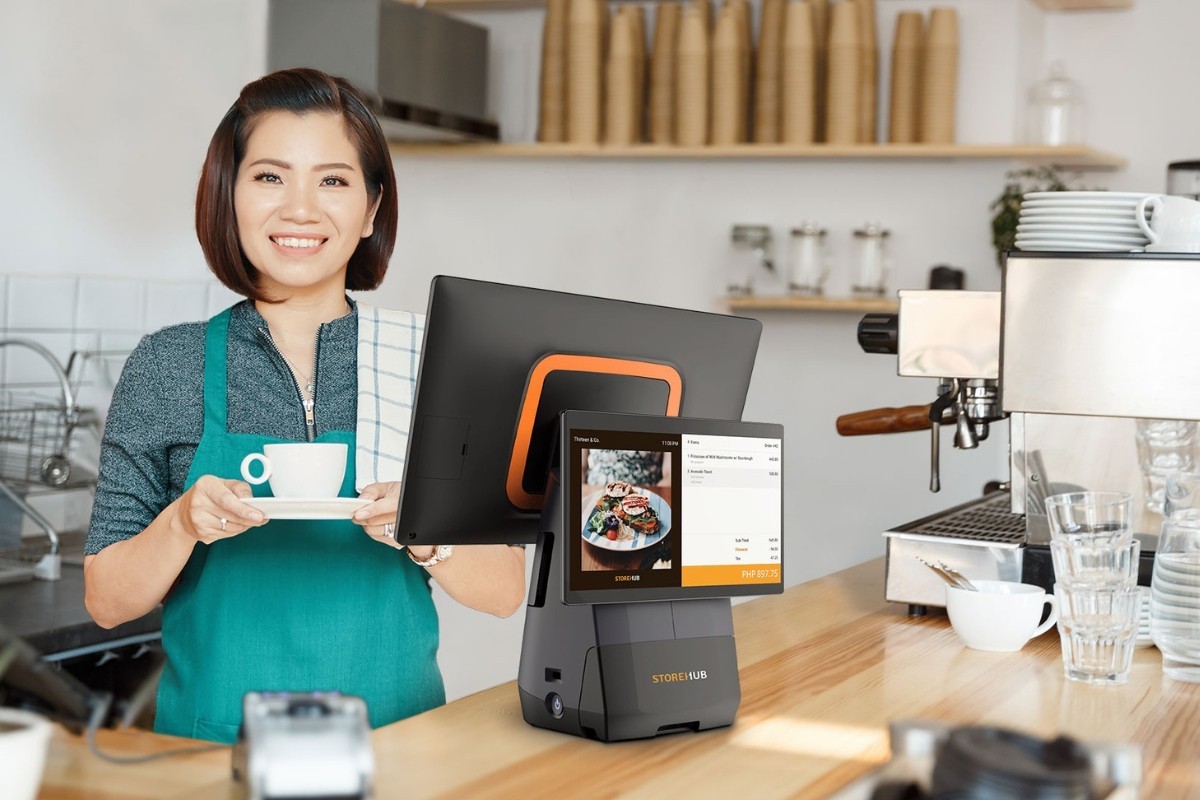
A Point of Sale (POS) system is a combination of hardware and software that enables businesses to complete sales transactions. It typically includes:
- A computer or tablet
- Barcode scanner
- Receipt printer
- Cash drawer
- POS software
Modern POS systems are often cloud-based, allowing business owners to access their data anytime, anywhere.
1. Streamlines Business Operations


A POS system simplifies daily business operations by automating tasks that would otherwise be done manually.
Key Benefits:
- Faster checkout process
- Reduced human errors
- Automated calculations for totals and taxes
- Seamless integration with other systems
Instead of manually recording sales in a ledger, a POS system handles everything instantly, saving time and effort.
2. Accurate Sales Tracking and Reporting
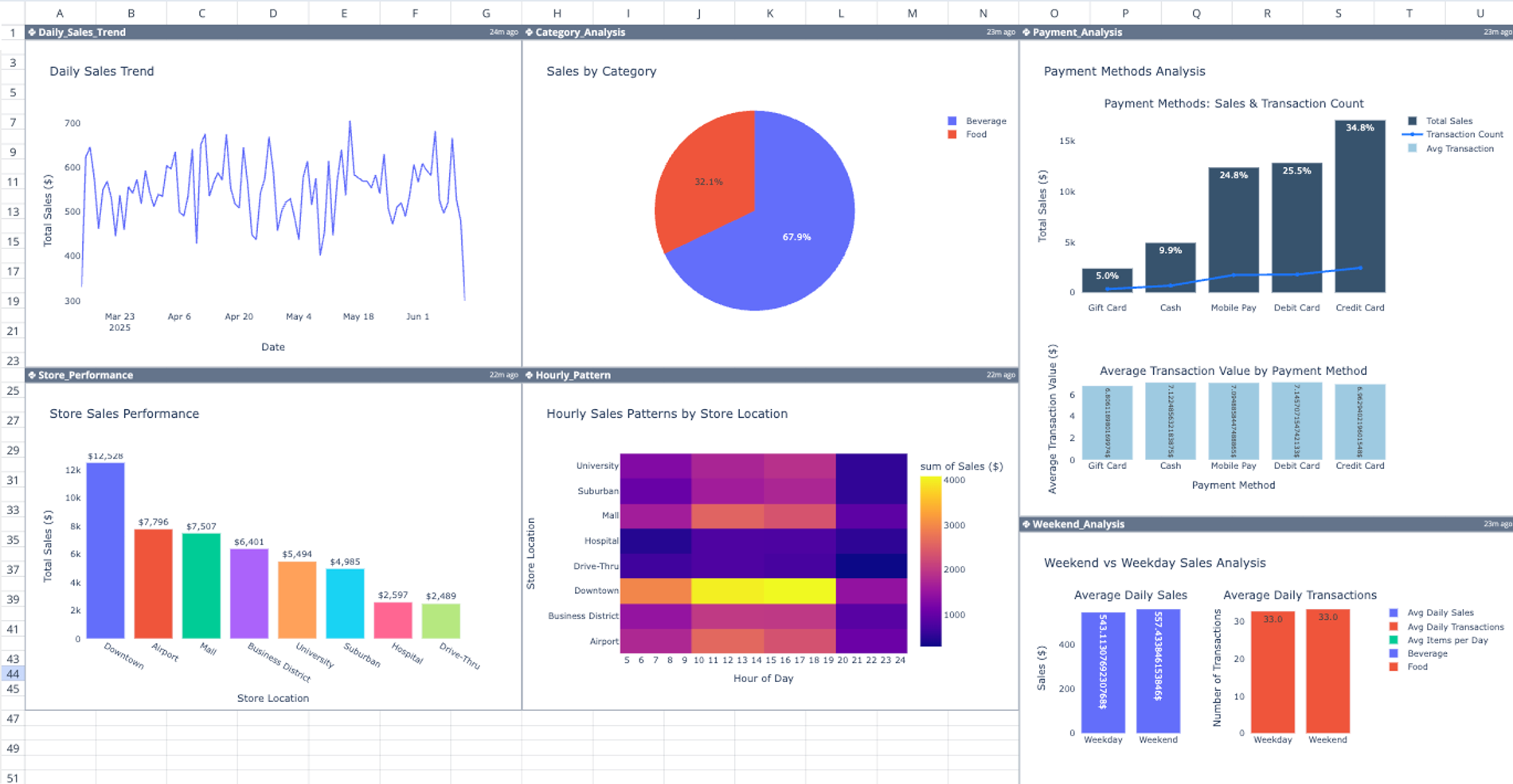

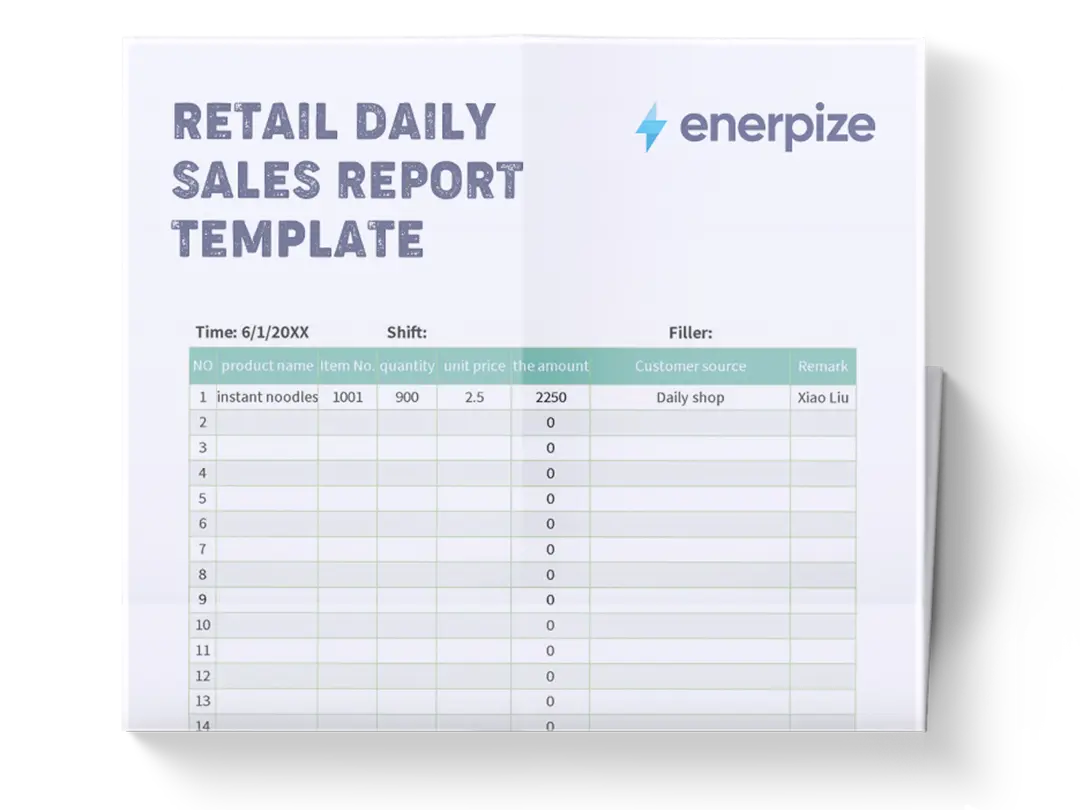
One of the biggest advantages of a POS system is the ability to track sales in real-time.
What You Get:
- Daily, weekly, and monthly sales reports
- Insights into best-selling products
- Revenue tracking
- Profit margin analysis
With accurate data, business owners can make informed decisions that drive growth and profitability.
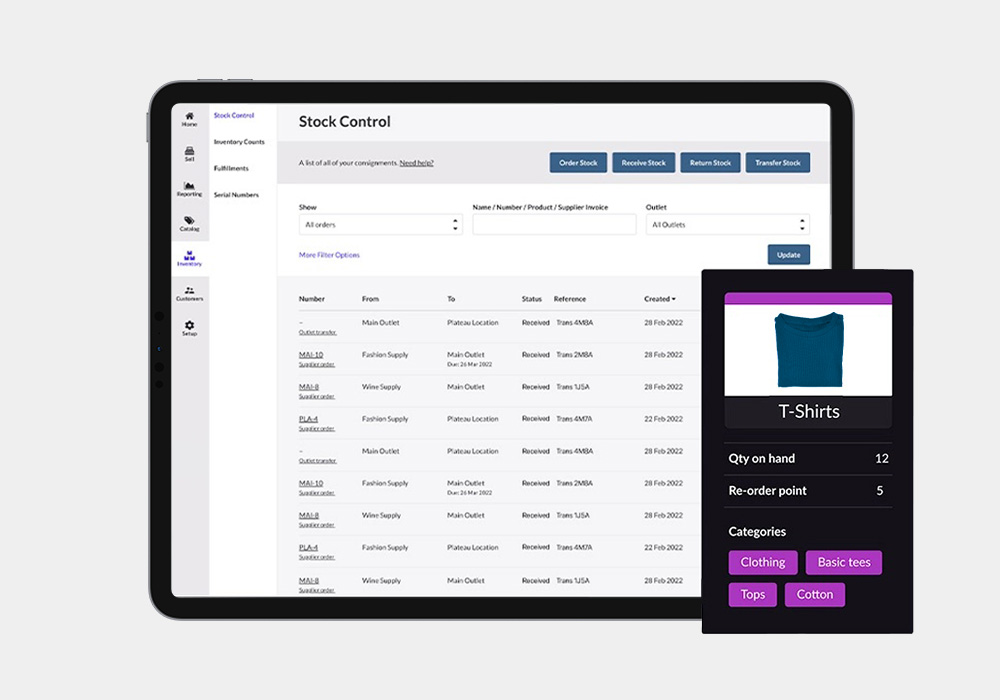
3. Efficient Inventory Management
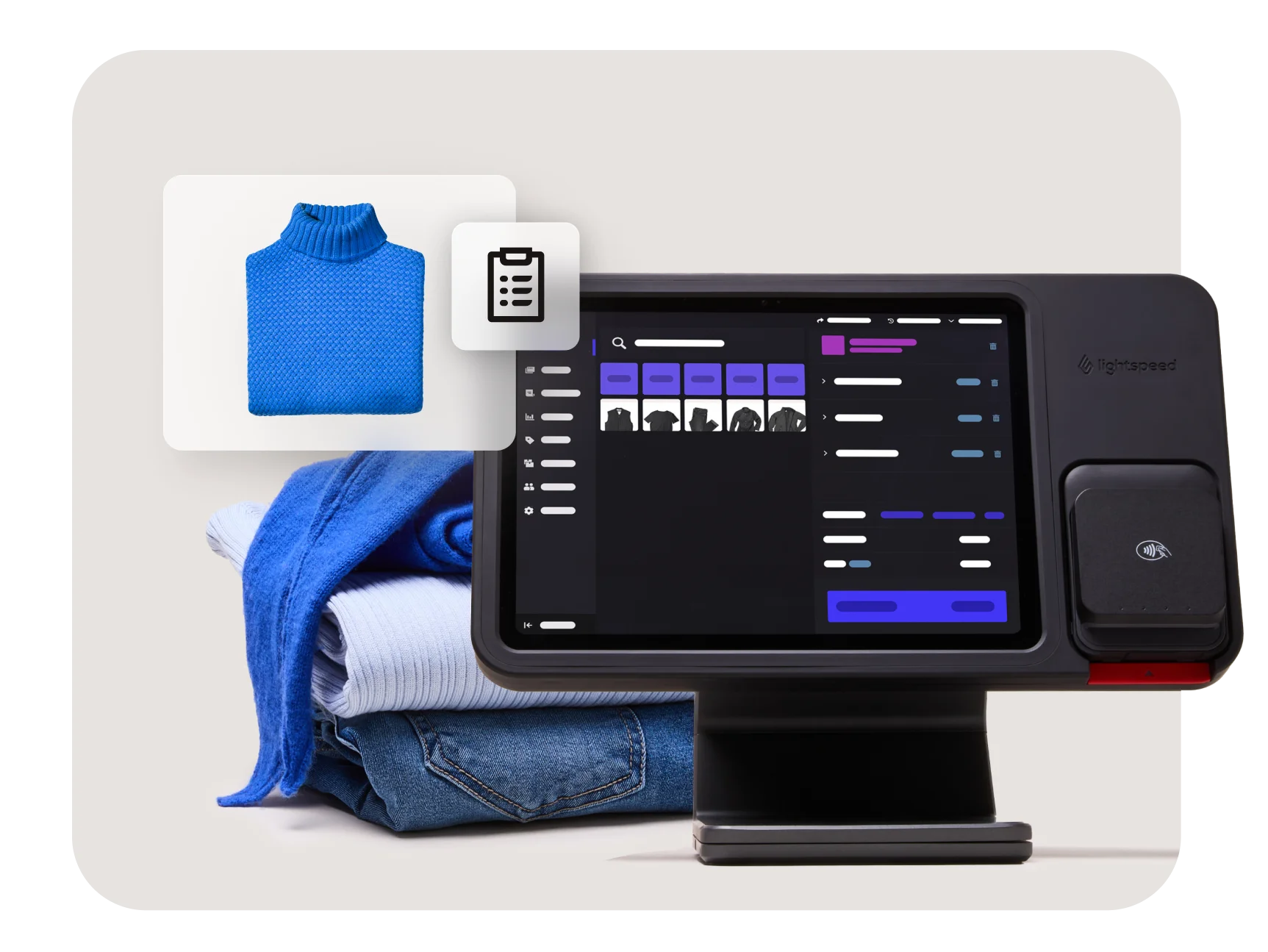

Managing inventory manually can be challenging and prone to errors. A POS system helps automate inventory tracking.
Features:
- Real-time stock updates
- Low-stock alerts
- Automatic product deductions after each sale
- Inventory reports
This ensures that you never run out of stock or overstock items unnecessarily.
4. Improves Customer Experience

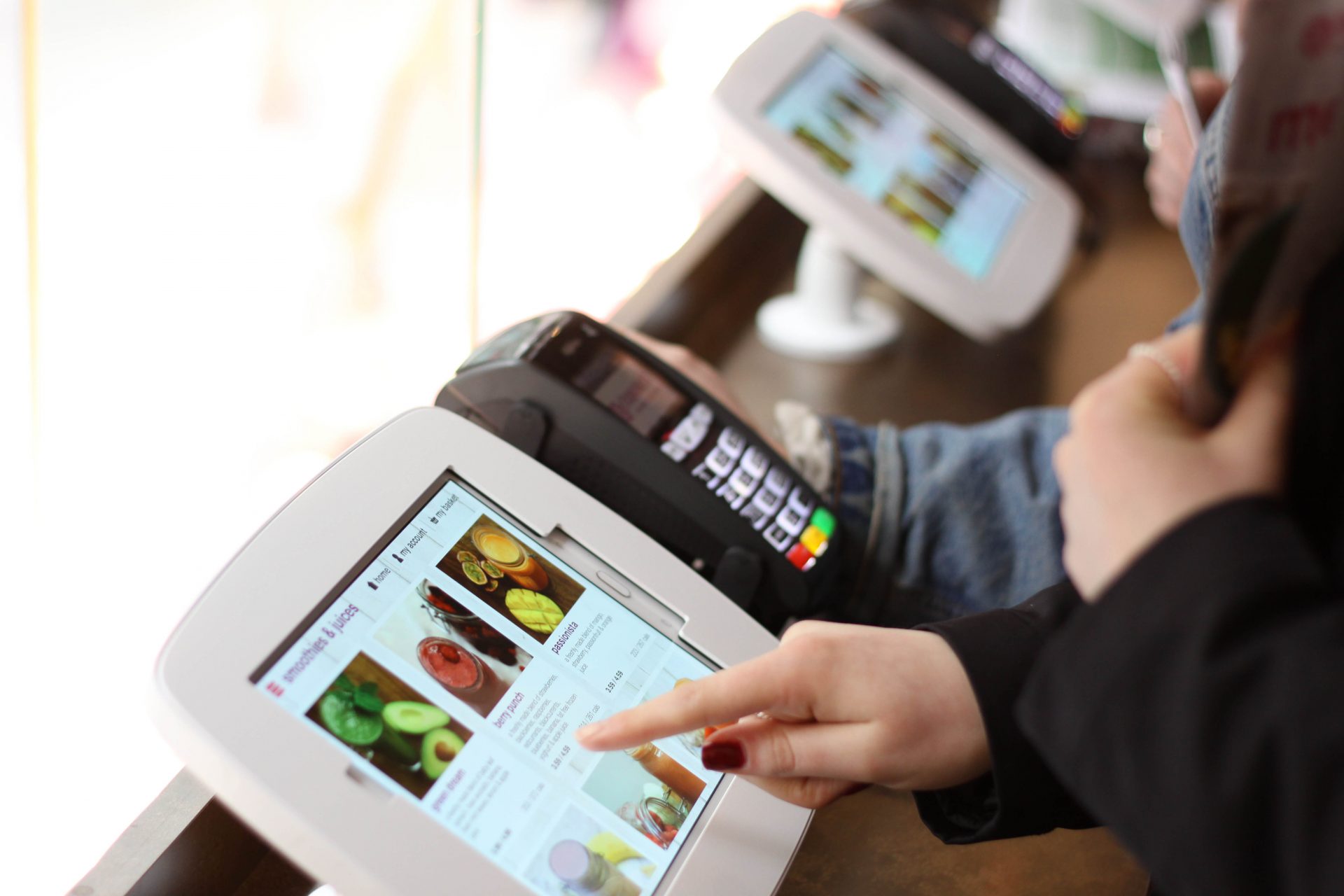

Customer satisfaction is critical for any business. A POS system enhances the customer experience in several ways:
How:
- Faster checkout times
- Multiple payment options (cash, card, mobile money like M-Pesa)
- Digital receipts
- Loyalty programs and discounts
Happy customers are more likely to return and recommend your business to others.
5. Enhances Financial Management
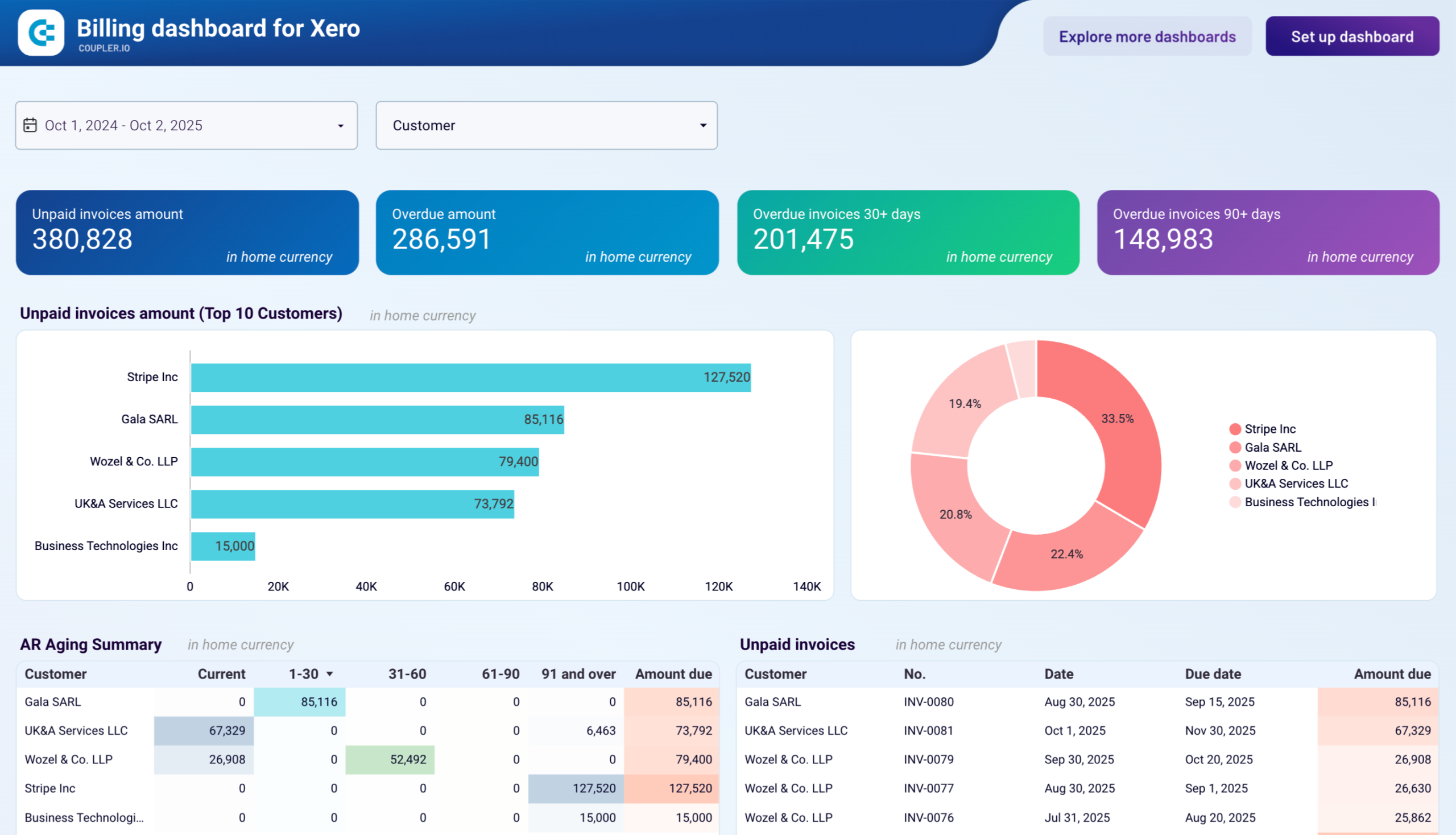
A POS system provides better control over your finances by offering clear insights into your business performance.
Financial Advantages:
- Tracks revenue and expenses
- Reduces chances of theft or fraud
- Simplifies bookkeeping
- Integrates with accounting software
This helps business owners maintain accurate financial records and prepare for audits or tax filing.
6. Supports Business Growth and Scalability

As your business grows, your operations become more complex. A POS system allows you to scale efficiently.
Growth Features:
- Multi-branch management
- Centralized data access
- Employee performance tracking
- Integration with eCommerce platforms
With a scalable POS system, you can expand your business without losing control.
7. Improves Employee Management


Managing employees becomes easier with a POS system.
Capabilities:
- Track employee sales performance
- Manage shifts and attendance
- Restrict access based on roles
- Monitor transactions to prevent fraud
This increases accountability and boosts overall productivity.
8. Enhances Security and Reduces Fraud
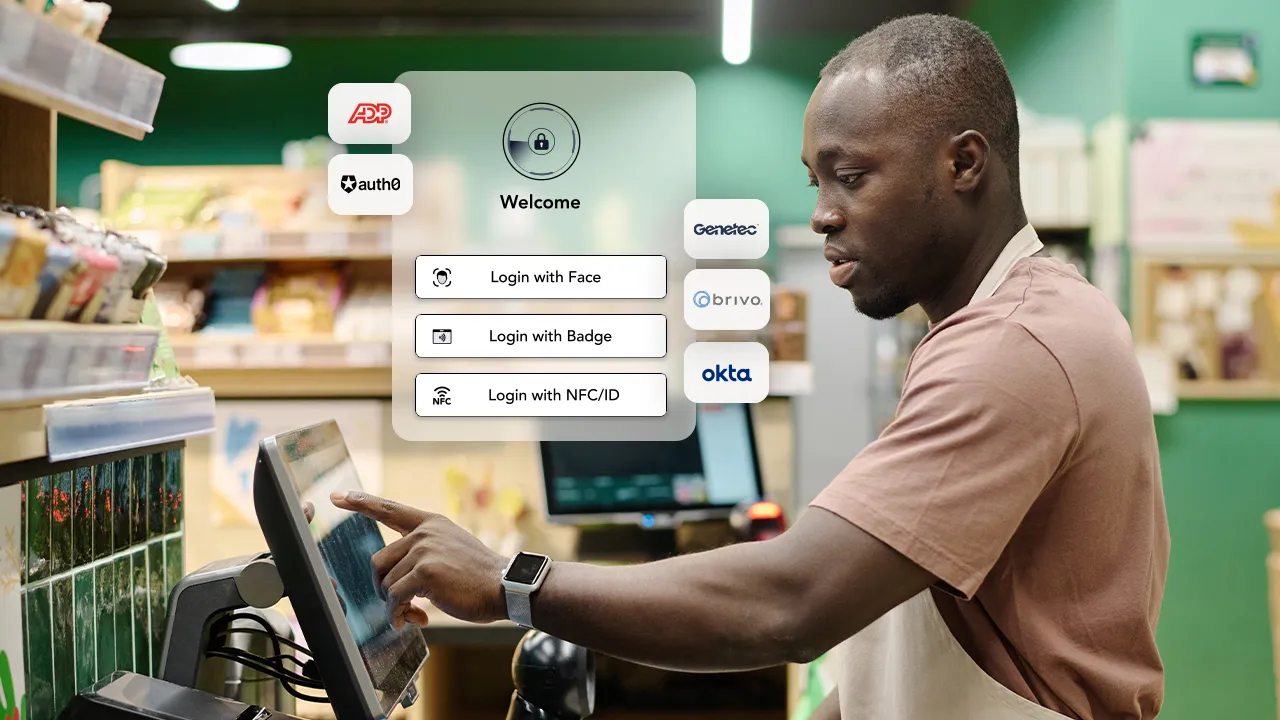

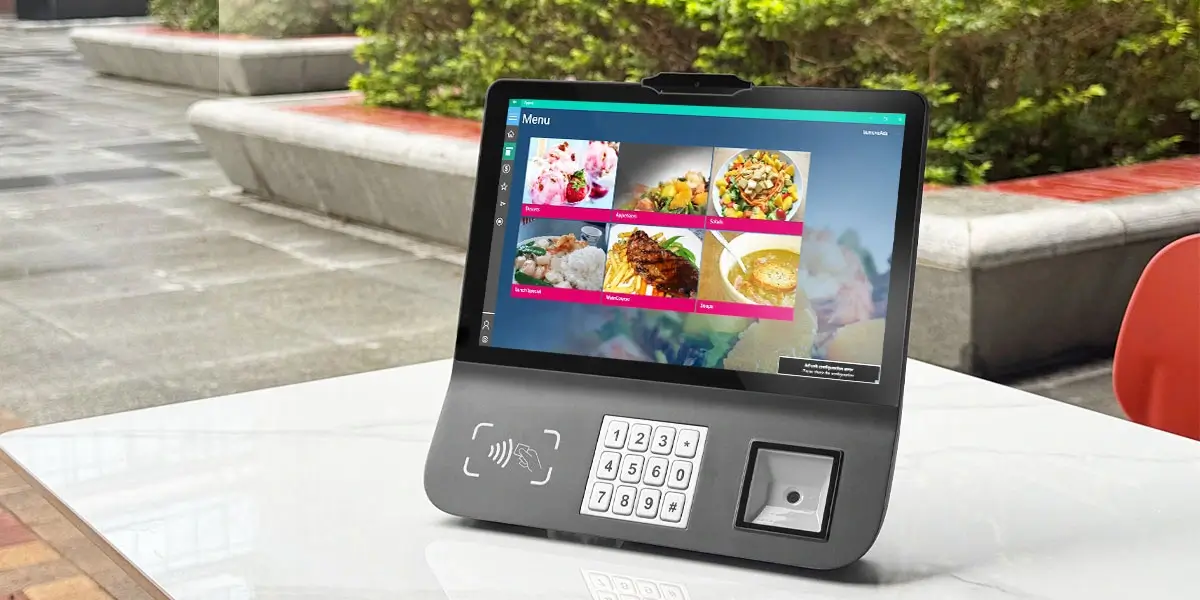
Security is a major concern for any business handling money. POS systems provide:
- Secure login systems
- Transaction tracking
- Audit trails
- Reduced cash handling errors
These features help minimize losses and protect your business.
9. Enables Data-Driven Decision Making


Modern businesses rely on data to stay competitive. A POS system provides valuable insights such as:
- Customer buying patterns
- Peak business hours
- Product performance
- Sales trends
With this information, you can make smarter decisions that improve efficiency and profitability.
10. Competitive Advantage in the Market
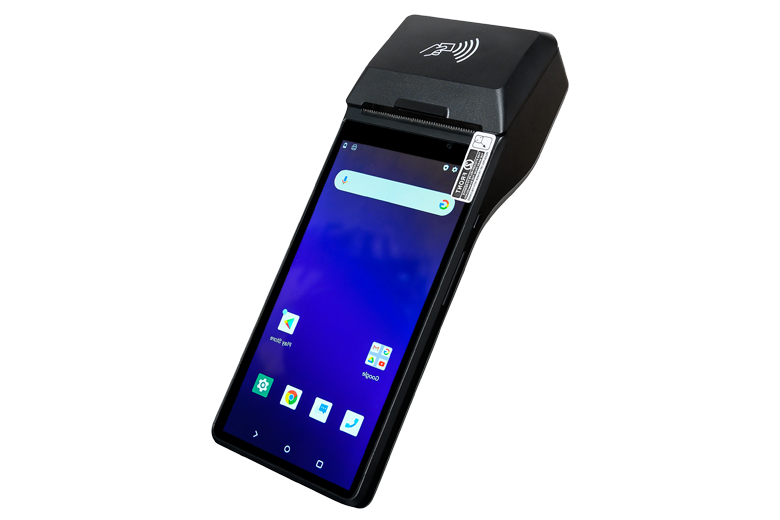
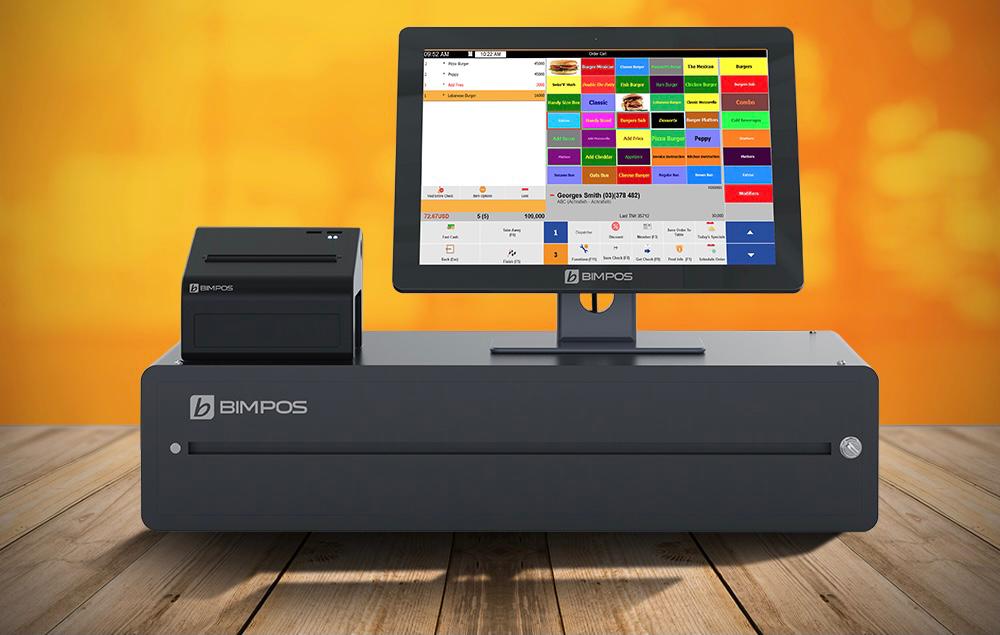
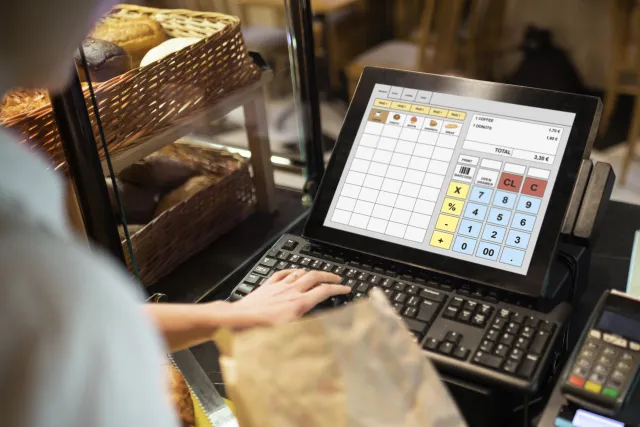
Businesses that adopt modern technology tend to outperform those that rely on outdated systems.
Why POS Gives You an Edge:
- Faster service delivery
- Better customer engagement
- Improved efficiency
- Professional business operations
In a competitive market like Kenya, having a POS system can set your business apart.
Conclusion: Why a POS System is Essential for Every Business
A POS system is no longer a luxury—it is a necessity for businesses that want to thrive in today’s digital economy. From improving efficiency and accuracy to enhancing customer satisfaction and enabling data-driven decisions, the benefits of a POS system are undeniable.
Businesses in Kenya, whether small or large, can significantly improve their operations by adopting a modern POS solution. It not only simplifies daily processes but also provides the tools needed for growth and long-term success.
If you want to run your business more efficiently, increase profits, and stay ahead of the competition, investing in a POS system is one of the smartest decisions you can make.