Best Property Management Software in Kenya: Boost Efficiency & Maximize Rental Profits Today by Tiwi POS
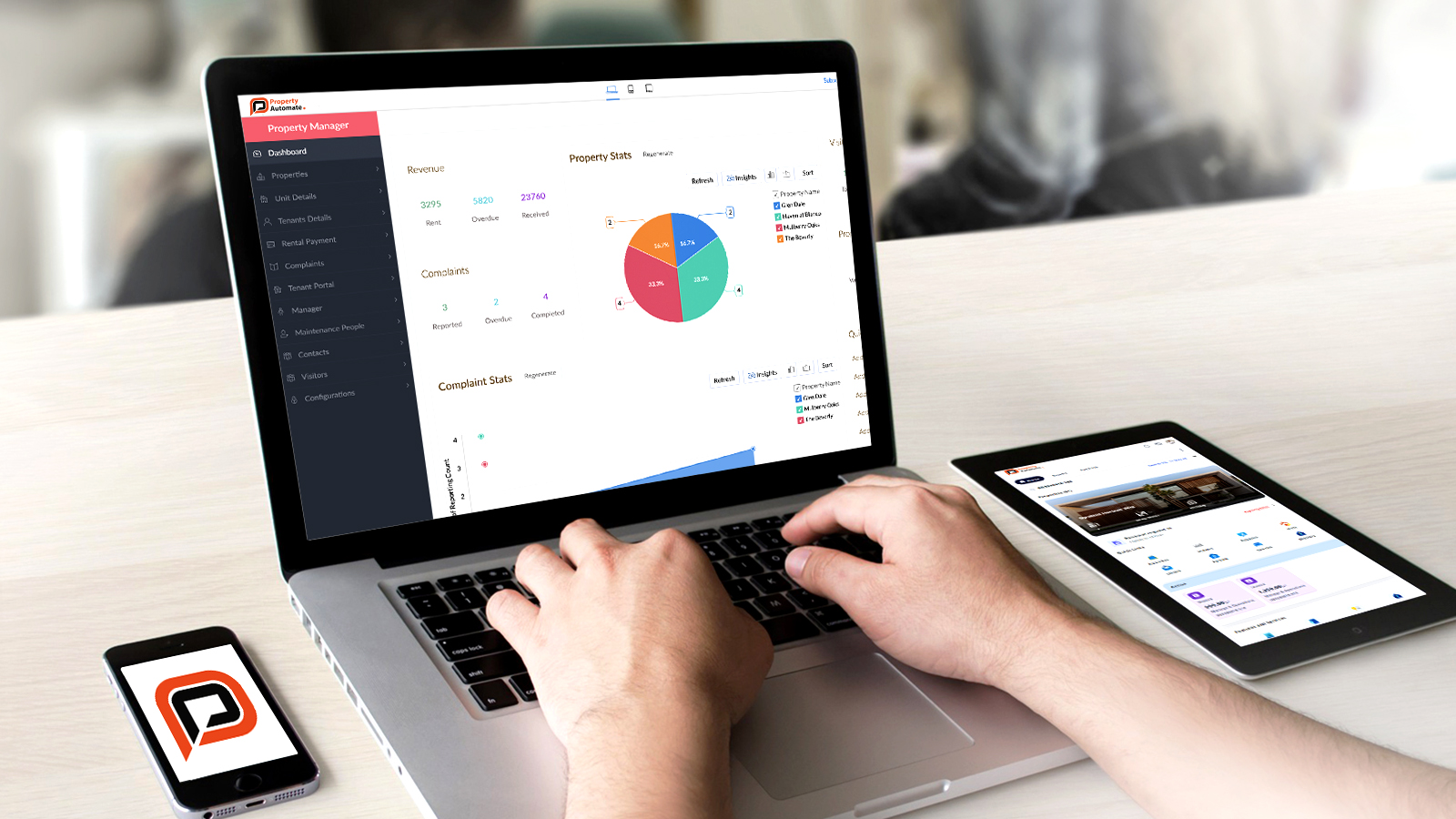
Buying property management software in Kenya is one of the smartest decisions landlords, real estate agents, and property managers can make to streamline operations and improve efficiency. With modern solutions, you can automate rent collection, manage tenants, track expenses, and generate detailed reports—all from a single platform. With reliable options from Tiwi POS, property owners can invest in systems that simplify management while supporting long-term growth.
With a wide range of local and global platforms available, choosing the right software requires careful consideration of features, pricing, scalability, and ease of use. Integration with M-Pesa ensures smooth and convenient rent payments, while cloud-based access allows you to manage properties anytime, anywhere. Tiwi POS provides tailored solutions designed for the Kenyan market, helping users eliminate manual processes and improve accuracy, efficiency, and cash flow.
This guide explains where to buy property management software in Kenya, what features to prioritize, and how to select the best system for your property portfolio. Whether you are managing a few units or a large real estate business, Tiwi POS offers scalable, user-friendly solutions that empower you to make smarter decisions, enhance tenant management, and maximize your rental income.
1. What Is Property Management Software?

Property management software is a digital solution designed to simplify and automate the day-to-day operations of managing rental properties. Instead of relying on manual systems such as notebooks, spreadsheets, or scattered records, this software brings everything into one centralized platform where landlords and property managers can efficiently control their operations.
In Kenya’s growing real estate sector, property management software is becoming an essential tool for improving efficiency, reducing errors, and enhancing professionalism. It enables users to manage tenants, track rent payments, monitor property performance, and handle communication—all from a single system. Rather than just being a tool, it becomes the operational backbone of property management, helping users stay organized, responsive, and in control.
1.1 Property Management Software Is a Digital System That Automates Real Estate Operations
At its core, property management software is built to automate repetitive and time-consuming tasks involved in managing properties.
- Rent Collection Automation – Tracks payments, records transactions, and highlights overdue rent automatically.
- Tenant Management – Stores tenant information, lease details, and communication records in one place.
- Reporting Tools – Generates financial and operational reports instantly without manual calculations.
- Workflow Automation – Reduces the need for constant follow-ups by automating reminders and updates. This automation significantly reduces administrative workload and improves operational consistency.
Property management software automates key real estate operations, making management faster and more efficient.
1.2 It Centralizes All Property Data in One Platform for Easy Access and Control
One of the biggest advantages of property management software is centralization.
- Single Dashboard – All property, tenant, and financial data is accessible from one interface.
- Real-Time Access – Information is updated instantly, ensuring accurate and current records.
- Improved Organization – Eliminates scattered records across different tools and formats.
- Better Control – Provides a clear overview of property performance at any time. This centralization improves decision-making and reduces confusion caused by disorganized data.
A PMS centralizes all property information, making it easier to manage and access.
1.3 Helps Landlords Manage Leases, Maintenance, and Finances Efficiently
Property management software goes beyond rent tracking—it supports full property operations.
- Lease Management – Keeps track of lease agreements, renewal dates, and terms.
- Maintenance Tracking – Logs repair requests and monitors maintenance tasks.
- Financial Management – Tracks income, expenses, and overall property performance.
- Operational Efficiency – Streamlines processes across multiple areas of property management. This ensures that all aspects of property management are handled in a structured and efficient manner.
Property management software improves efficiency across leases, maintenance, and financial management.
1.4 Replaces Manual Processes Like Spreadsheets and Paper Records
Traditional property management methods are often inefficient and prone to errors.
- Eliminates Paperwork – Reduces reliance on physical records and manual documentation.
- Replaces Spreadsheets – Provides more advanced and reliable tools than basic spreadsheets.
- Improves Accuracy – Automated systems reduce calculation and data entry errors.
- Saves Time – Reduces time spent searching for information or updating records manually. By moving to a digital system, property managers can operate more professionally and efficiently.
Property management software replaces outdated manual systems with a more accurate and efficient digital solution.
Property management software is a powerful digital tool that automates real estate operations, centralizes data, and replaces manual processes. It helps landlords and property managers handle rent collection, tenant management, maintenance, and financial tracking more efficiently. By adopting this technology, property owners in Kenya can improve organization, reduce errors, and manage their properties with greater control and professionalism.
2. Where to Buy Property Management Software in Kenya

Choosing where to buy property management software is a key decision for landlords, property managers, and real estate companies. The right platform should not only provide essential features like rent collection and tenant management, but also align with local payment systems, legal requirements, and operational workflows in Kenya. Broadly, businesses can choose between local Kenyan platforms and international software solutions, each offering different advantages.
2.1 Local Kenyan Platforms
Local Kenyan property management platforms are specifically designed to meet the needs of the Kenyan market. They focus on mobile money integration, local accounting practices, and ease of use for landlords and property managers.
Some popular local options include:
- Nyumba Zetu – A cloud-based platform that integrates M-Pesa, banking, and accounting systems. It allows landlords to automate rent collection, track payments, and generate financial reports in real time.
- RentalDesk – Focuses on rent automation, invoicing, and reporting. It simplifies rent collection and helps landlords maintain accurate financial records with minimal manual work.
- Bomahut – Designed for managing multiple units, offering automation features for rent tracking, tenant communication, and performance reporting.
- Property Admin (PMS.co.ke) – A comprehensive system with M-Pesa integration, tenant management, lease tracking, and advanced analytics for property performance.
Key advantages of local platforms:
- M-Pesa integration – Seamless mobile money payments, which are widely used in Kenya.
- Localized workflows – Designed around Kenyan rental practices and property management needs.
- Ease of adoption – Simple interfaces suitable for both small landlords and large property managers.
- Faster support – Local providers offer quicker assistance and a better understanding of user challenges.
These systems are ideal for landlords and agencies looking for practical, ready-to-use solutions tailored to the Kenyan market.
2.2 International Platforms Available in Kenya
International property management platforms are also available in Kenya and are often used by larger organizations or companies with more complex requirements.
Common examples include:
- Buildium – A widely used platform offering features such as rent collection, accounting, tenant screening, and reporting.
- AppFolio – Provides advanced automation, tenant portals, and marketing tools for property listings.
- Yardi – An enterprise-level solution with powerful financial management, asset tracking, and analytics capabilities.
Key characteristics of international platforms:
- Advanced features – Includes automation, detailed analytics, and enterprise-level tools.
- Scalability – Suitable for large property portfolios and real estate companies.
- Global standards – Designed to meet international property management practices.
- Customization needs – May require adjustments or integrations to support Kenyan payment systems like M-Pesa.
While these platforms are powerful, they may not be immediately optimized for local workflows, which can increase setup complexity.
Property management software in Kenya can be sourced from local platforms or international providers. Local systems such as Nyumba Zetu, RentalDesk, Bomahut, and Property Admin are tailored for Kenyan workflows and offer seamless M-Pesa integration, making them highly practical for most users. International platforms like Buildium, AppFolio, and Yardi provide advanced features and scalability, but may require customization for local use. Choosing the right option depends on your business size, budget, and need for local versus advanced global functionality.
3. Cost of Buying Property Management Software in Kenya

The cost of property management software in Kenya varies depending on the size of your property portfolio, the features you need, and the level of automation required. Most platforms operate on a subscription-based model, meaning you pay monthly or annually. Pricing typically scales with the number of units, users, and advanced features such as reporting, integrations, and automation tools.
3.1 General Pricing Range
Most property management systems in Kenya fall within a broad pricing range depending on complexity and scale.
- Typical cost range – Between Ksh 2,500 and Ksh 30,000 per month.
- Feature-based pricing – Systems with more automation, analytics, and integrations cost more.
- User-based pricing – Costs may increase depending on the number of users or properties managed.
- Scalability – Businesses can start small and upgrade as their portfolio grows.
This flexible pricing structure allows both small landlords and large property managers to find suitable options.
3.2 Pricing for Small Landlords
Small landlords managing a few units can access affordable entry-level plans designed for simplicity and ease of use.
- Starting price – Around Ksh 3,500 per month.
- Core features – Rent tracking, tenant management, and basic reporting.
- Ease of use – Simple dashboards suitable for individual landlords.
- Low complexity – Minimal setup and fewer integrations required.
These plans are ideal for landlords who want to digitize operations without high costs.
3.3 Pricing for Medium Property Portfolios
Property managers handling multiple units or buildings require more advanced features and reporting tools.
- Price range – Typically between Ksh 5,000 and Ksh 15,000 per month.
- Expanded features – Includes automated rent reminders, invoicing, and financial reporting.
- Better control – Manage multiple tenants, properties, and payments in one system.
- Improved insights – Access to performance dashboards and analytics.
This category suits property managers, agencies, and landlords with growing portfolios.
3.4 Enterprise and Advanced Solutions
Large real estate companies and developers require more sophisticated systems with advanced capabilities.
- Higher cost – Can exceed Ksh 15,000 to Ksh 30,000+ per month depending on requirements.
- Customization – Tailored workflows, integrations, and automation features.
- Advanced modules – Includes accounting, CRM, asset management, and reporting tools.
- Scalability – Designed to handle large portfolios and multiple users or departments.
These systems provide full control and automation for complex real estate operations.
The cost of property management software in Kenya typically ranges from KSh 2,500 to KSh 30,000 per month, depending on features, number of units, and business size. Small landlords can start from around Ksh 3,500 per month, while medium portfolios may pay between Ksh 5,000 and Ksh 15,000. Enterprise solutions cost more due to customization and advanced integrations. Since pricing is usually subscription-based, businesses can scale their systems as their property portfolios grow, making it a flexible and practical investment.
4. Features to Look for Before Buying
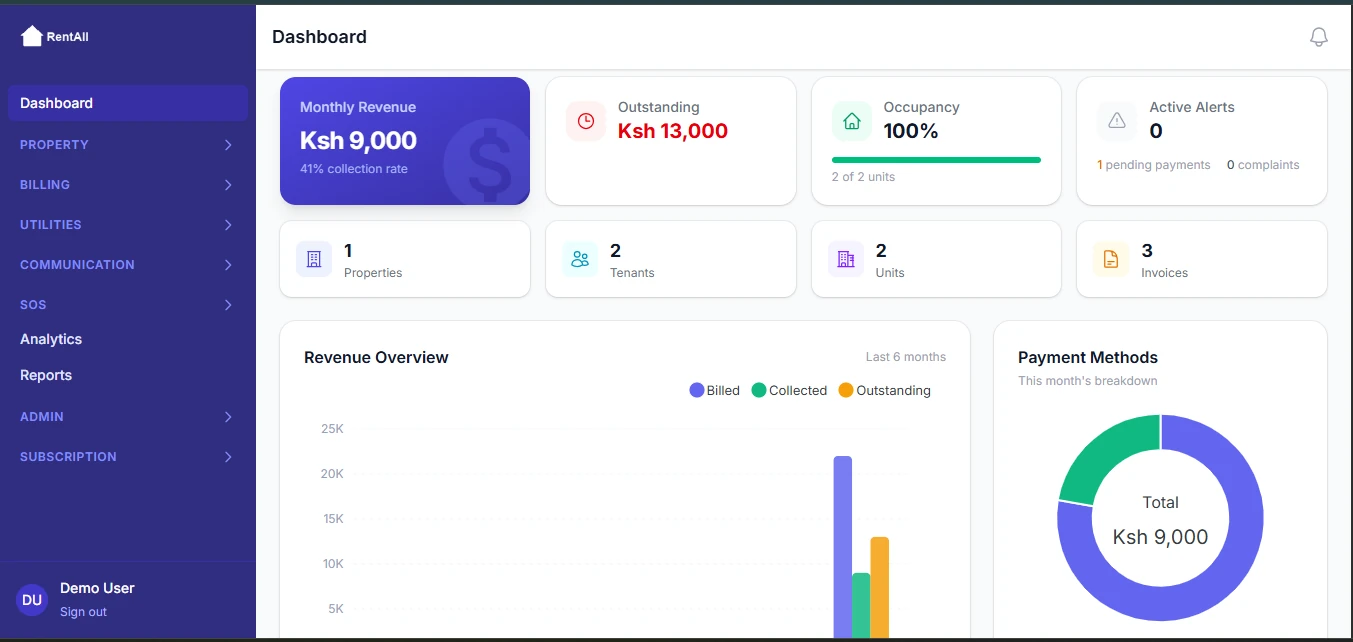
Before choosing a property management system (PMS), it is important to evaluate the key features that will directly impact your day-to-day operations. The right system should not only fit your budget but also provide the tools needed to simplify management, improve efficiency, and support long-term growth. In Kenya, modern PMS platforms are increasingly designed to integrate payments, reporting, and communication into one seamless system.
Rather than focusing only on price or brand, landlords and property managers should prioritize functionality. A good PMS should reduce manual work, improve accuracy, and provide clear visibility into property performance. Below are the essential features to look for before making a purchase.
4.1 Automated Rent Collection – Integration with M-Pesa and Bank Payments
Rent collection is one of the most critical functions of any property management system.
- M-Pesa Integration – Allows tenants to pay rent easily using mobile money, which is widely used in Kenya.
- Bank Payment Support – Enables rent payments through bank transfers and other financial channels.
- Automatic Payment Recording – Transactions are logged instantly, reducing manual entry.
- Payment Reminders – Tenants receive automated notifications for upcoming or overdue rent.
- This feature improves efficiency, reduces delays, and ensures accurate financial tracking.
Automated rent collection with M-Pesa integration is essential for efficient and reliable payment management.
4.2 Tenant Management – Store Tenant Records and Lease Agreements
A PMS should provide a structured way to manage tenant information and relationships.
- Centralized Records – Store tenant details such as contacts, ID information, and rental history.
- Lease Management – Track lease agreements, start and end dates, and renewal schedules.
- Communication Logs – Maintain records of interactions with tenants.
- Improved Organization – Access all tenant-related information from one platform.
- This ensures better organization and smoother tenant management.
Strong tenant management features help maintain accurate records and improve landlord-tenant relationships.
4.3 Financial Reporting – Track Income, Expenses, and Arrears
Financial visibility is key to effective property management.
- Income Tracking – Monitor rent payments and total revenue in real time.
- Expense Management – Record and track operational costs such as maintenance and utilities.
- Arrears Monitoring – Identify overdue payments quickly.
- Detailed Reports – Generate financial summaries and performance reports.
- These insights help landlords make informed financial decisions.
Financial reporting tools provide clarity and control over property income and expenses.
4.4 Maintenance Tracking – Manage Repair Requests and Tasks
Maintenance is an ongoing part of property management that requires proper organization.
- Repair Requests – Log and track maintenance issues reported by tenants.
- Task Management – Assign and monitor repair tasks.
- Status Updates – Track progress of maintenance work.
- Cost Tracking – Monitor expenses related to repairs and upkeep.
- Efficient maintenance management improves tenant satisfaction and property value.
Maintenance tracking ensures timely repairs and better property upkeep.
4.5 Mobile Access – Access the System from Anywhere
Flexibility and accessibility are essential in modern property management.
- Remote Access – Manage properties from a smartphone, tablet, or computer.
- Real-Time Updates – Access the latest information anytime, anywhere.
- On-the-Go Management – Handle tasks even when away from the office.
- Improved Responsiveness – Respond quickly to tenant needs and property issues.
- Mobile access makes property management more dynamic and convenient.
Mobile access allows landlords and managers to stay in control from anywhere.
Choosing the right PMS requires focusing on essential features such as automated rent collection, tenant management, financial reporting, maintenance tracking, and mobile access. These tools work together to streamline operations, improve efficiency, and provide better control over property management. In Kenya, modern systems combine payments, reporting, and communication into one platform, making them a powerful solution for landlords and property managers.
5. Benefits of Buying Property Management Software

Investing in property management software is one of the most effective ways to modernize and streamline property operations. In Kenya’s fast-growing real estate sector, landlords and property managers are increasingly moving away from manual systems and adopting digital tools that improve efficiency, accuracy, and control. Property management software is not just about convenience—it is about transforming how properties are managed on a daily basis.
From automating repetitive tasks to providing real-time insights and supporting portfolio growth, a PMS delivers measurable benefits that directly impact profitability and operational efficiency
5.1 Saves Time by Automating Repetitive Tasks Like Invoicing and Reminders
Time efficiency is one of the most immediate benefits of using a PMS.
- Automated Invoicing – The system generates invoices automatically, eliminating manual calculations.
- Payment Reminders – Tenants receive automated alerts for due or overdue rent.
- Reduced Administrative Work – Tasks like updating records and tracking payments are handled digitally.
- Faster Operations – Property managers can handle more responsibilities in less time.This reduces workload and allows landlords to focus on more important aspects of property management.
Automation saves time and increases productivity by reducing repetitive administrative tasks.
5.2 Improves Rent Collection and Reduces Arrears
A PMS introduces structure and transparency into rent collection processes.
- Payment Tracking – Instantly see which tenants have paid and which are overdue.
- Automated Notifications – Reminders encourage timely payments.
- Integrated Payments – Systems with M-Pesa integration simplify transactions.
- Improved Cash Flow – Consistent tracking reduces delays and unpaid rent.This ensures more reliable income and better financial management.
A PMS improves rent collection efficiency and helps minimize arrears.
5.3 Enhances Accuracy and Reduces Manual Errors
Manual systems are prone to mistakes, especially as property portfolios grow.
- Accurate Calculations – Automated systems eliminate errors in rent and financial records.
- Consistent Data Entry – Standardized processes improve data accuracy.
- Reliable Records – Digital storage reduces the risk of lost or incorrect information.
- Improved Transparency – Accurate data makes reporting and audits easier.This leads to better decision-making and fewer disputes.
A PMS improves accuracy by reducing human errors in property management.
5.4 Provides Real-Time Insights into Property Performance
Access to real-time data is crucial for effective property management.
- Live Dashboards – View income, occupancy, and tenant activity instantly.
- Performance Tracking – Monitor trends in rent collection and vacancies.
- Data-Driven Decisions – Use insights to improve pricing and operations.
- Financial Visibility – Understand how your property is performing at any time.These insights help landlords make informed and strategic decisions.
Real-time insights enable better planning and more effective property management.
5.5 Supports Growth by Managing Multiple Properties Easily
As property portfolios grow, managing them manually becomes increasingly difficult.
- Multi-Property Management – Handle multiple units and buildings from one system.
- Centralized Control – Monitor all properties through a single dashboard.
- Scalable Operations – Add more properties without losing efficiency.
- Improved Organization – Maintain structure even as complexity increases.This makes it easier to expand your property business without operational challenges.
A PMS supports business growth by simplifying the management of multiple properties.
Property management software offers significant benefits, including time savings through automation, improved rent collection, enhanced accuracy, real-time insights, and the ability to scale operations. For landlords and property managers in Kenya, adopting a PMS is a strategic investment that improves efficiency, reduces losses, and supports long-term growth.
6. Who Should Buy Property Management Software
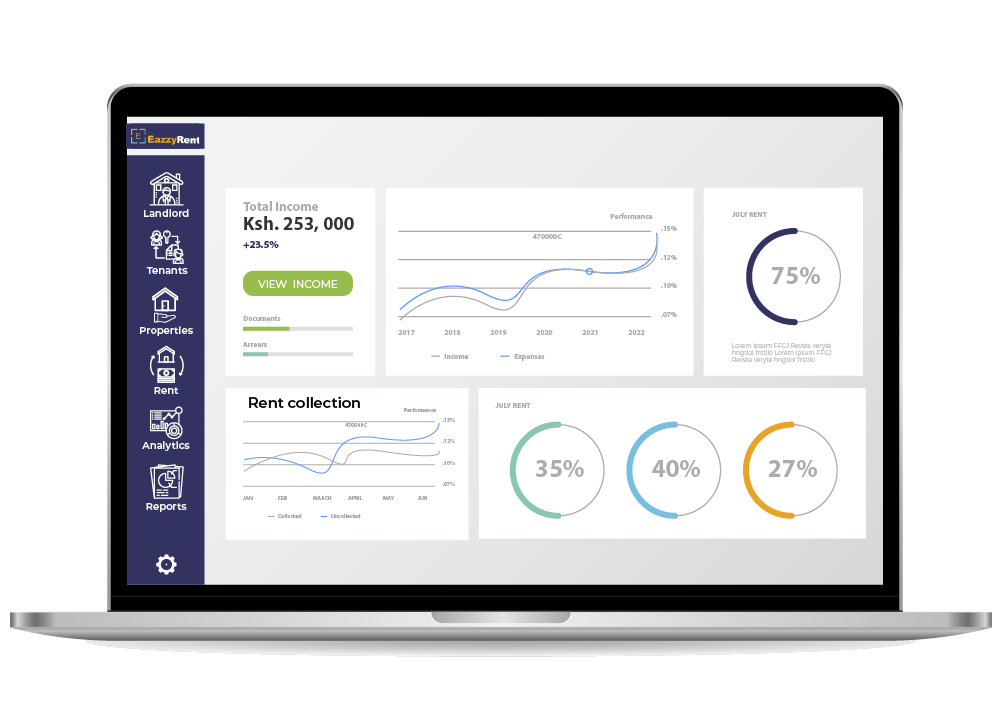
Property management software is designed to serve a wide range of users in the real estate industry, from small-scale landlords to large property firms. What makes it valuable is its flexibility—it adapts to different property sizes, management styles, and operational needs. Whether you are managing a few rental units or overseeing a large portfolio, a PMS provides the tools needed to improve efficiency, organization, and control.
In Kenya’s growing real estate market, the demand for structured and digital management is increasing. Property owners and managers are realizing that manual systems are no longer sufficient, especially as portfolios grow and tenant expectations rise. Below is a detailed breakdown of who should consider investing in property management software.
6.1 Individual Landlords Managing Rental Units
Individual landlords often manage properties independently, which can become challenging without proper systems.
- Simplified Management – A PMS helps track rent payments, tenant details, and occupancy from one platform.
- Better Organization – All records are stored digitally, reducing reliance on notebooks or spreadsheets.
- Reduced Follow-Ups – Automated reminders reduce the need to chase tenants for rent.
- Affordable Solutions – Entry-level systems make it accessible for small landlords.This is ideal for landlords who want to operate more professionally without hiring additional staff.
Property management software helps individual landlords stay organized and efficient.
6.2 Property Management Companies and Agents
Property managers and agents handle properties on behalf of clients, requiring more structured systems.
- Multi-Client Management – Manage multiple landlords and tenants within one system.
- Professional Reporting – Generate detailed reports for property owners.
- Improved Communication – Keep organized records of tenant interactions.
- Operational Efficiency – Automate tasks such as invoicing and rent tracking.A PMS enhances professionalism and improves service delivery to clients.
Property management companies benefit from improved efficiency and professional reporting.
6.3 Real Estate Developers and Investors
Developers and investors need tools that provide insights and control over their property portfolios.
- Portfolio Monitoring – Track performance across multiple properties and investments.
- Financial Insights – Analyze revenue, expenses, and profitability.
- Strategic Planning – Use data to make informed investment decisions.
- Scalability – Manage growing property portfolios effectively.This helps investors maximize returns and manage properties strategically.
Developers and investors use PMS platforms to improve financial control and decision-making.
6.4 Airbnb and Short-Term Rental Operators
Short-term rental operators face unique challenges such as frequent bookings and guest turnover.
- Booking Management – Track reservations, check-ins, and check-outs efficiently.
- Guest Communication – Automate messages and updates to guests.
- Payment Tracking – Monitor payments from different booking platforms.
- Operational Efficiency – Manage multiple listings from one system.A PMS helps streamline operations and improve the guest experience.
Property management software helps Airbnb hosts manage bookings and operations efficiently.
Property management software is suitable for individual landlords, property management companies, real estate developers, and short-term rental operators. Its scalability and flexibility make it a valuable tool for anyone looking to improve efficiency, organization, and control in property management.
7. How to Choose the Right Software
Choosing the right property management software is a critical decision that directly affects how efficiently you manage your properties. With many options available in Kenya, it is important to go beyond price and focus on functionality, usability, and long-term value. The right system should simplify your operations, reduce manual work, and grow with your property portfolio.
A well-chosen PMS should align with your current needs while also supporting future expansion. Whether you are a small landlord or a property management company, selecting the right software ensures smooth operations, better tenant management, and improved financial control. Below are the key factors to consider when making your choice.
7.1 Consider the Number of Properties You Manage
Your property portfolio size plays a major role in determining the type of software you need.
- Portfolio Fit – Choose a system designed for your current number of units.
- Cost Alignment – Many systems charge based on units, so selecting the right plan avoids unnecessary costs.
- Performance Needs – Larger portfolios require more advanced features and reporting tools.
- Future Planning – Consider how your portfolio may grow over time.Selecting software that matches your scale ensures efficiency and cost-effectiveness.
Always choose software that aligns with your current and future property portfolio size.
7.2 Choose Software with Local Payment Integrations (Especially M-Pesa)
In Kenya, payment integration is essential for efficient property management.
- M-Pesa Integration – Enables seamless rent collection through mobile money.
- Automated Tracking – Payments are recorded automatically, reducing manual entry.
- Tenant Convenience – Familiar payment methods encourage timely rent payments.
- Reduced Errors – Integration minimizes discrepancies in financial records.Without proper payment integration, managing rent collection becomes more difficult.
M-Pesa integration is a must-have feature for effective rent collection in Kenya.
7.3 Ensure the System Is Easy to Use and Requires Minimal Training
Ease of use determines how quickly you and your team can adopt the system.
- User-Friendly Interface – The system should be simple and intuitive to navigate.
- Minimal Training Required – Staff should be able to use it without extensive training.
- Faster Adoption – Easy systems are implemented more quickly.
- Reduced Errors – Simplicity helps avoid mistakes during daily operations.A complicated system can slow down operations instead of improving them.
Choose a PMS that is easy to use to ensure smooth daily operations and quick adoption.
7.4 Check for Customer Support and Onboarding Services
Reliable support is essential for long-term success when using any software.
- Technical Support – Ensure the provider offers quick assistance when issues arise.
- Onboarding Services – Training and setup support help users get started effectively.
- Maintenance Support – Regular updates and troubleshooting ensure smooth operation.
- User Guidance – Access to help resources improves overall experience.A good support system ensures that your PMS continues to function efficiently over time.
Strong customer support and onboarding services are critical for reliable system performance.
7.5 Look for Scalability as Your Portfolio Grows
A PMS should grow with your business rather than limit it.
- Expandable Features – Add new functionalities as your needs evolve.
- Multi-Property Management – Support more units and properties over time.
- Upgrade Flexibility – Move to higher plans without changing systems.
- Long-Term Value – Avoid the need to switch software as your business expands.Scalability ensures that your investment remains useful as your portfolio increases.
Choose a scalable PMS to support long-term growth and avoid system limitations.
Choosing the right property management software involves evaluating your portfolio size, ensuring local payment integration, prioritizing ease of use, checking for reliable support, and selecting a scalable system. By focusing on these factors, landlords and property managers in Kenya can invest in software that improves efficiency, simplifies operations, and supports long-term growth.
8. Common Mistakes to Avoid When Buying

Buying property management software is an important decision that can significantly impact how efficiently you run your property operations. However, many landlords and property managers in Kenya make avoidable mistakes during the selection process—often focusing on short-term savings instead of long-term value. These mistakes can lead to inefficiencies, additional costs, and the need to switch systems later.
A good PMS should simplify your work, not complicate it. By understanding common pitfalls, you can make a more informed decision and choose a system that truly supports your needs. Below are the key mistakes to avoid when buying property management software.
8.1 Choosing Software Based Only on Price Instead of Features
One of the most common mistakes is selecting the cheapest option without considering functionality.
- Low Cost Trap – Cheap systems may lack essential features needed for efficient management.
- Limited Capabilities – Missing automation, reporting, or integration features can slow down operations.
- Higher Long-Term Costs – You may need to upgrade or switch systems later.
- Value Over Price – A slightly more expensive system may deliver significantly better efficiency.Focusing only on price can result in a system that does not meet your operational needs.
Always prioritize value and features over the lowest price when choosing a PMS.
8.2 Ignoring Local Payment Integration Requirements
In Kenya, payment integration—especially with M-Pesa—is critical for smooth operations.
- M-Pesa Dependency – Most tenants rely on mobile money for rent payments.
- Manual Workload – Without integration, you must track payments manually.
- Increased Errors – Lack of automation can lead to reconciliation mistakes.
- Tenant Inconvenience – Limited payment options may delay rent payments.Ignoring this factor can create inefficiencies and financial tracking challenges.
Ensure your PMS supports M-Pesa and local payment systems for seamless rent collection.
8.3 Not Testing the System Through Demos or Free Trials
Many buyers skip testing the system before committing, which can lead to poor decisions.
- Unknown Usability – You may not know if the system is easy to use.
- Feature Mismatch – The system may not meet your specific needs.
- Risk of Dissatisfaction – You may end up with software that does not fit your workflow.
- Trial Opportunities – Most providers offer demos or free trials to evaluate performance.Testing helps you understand how the system works in real-world scenarios.
Always test the software through demos or trials before making a purchase decision.
8.4 Overlooking Support and Training Services
Support and training are essential for long-term success with any PMS.
- Technical Assistance – Without support, resolving issues can be difficult.
- Onboarding Challenges – Lack of training can slow down system adoption.
- System Downtime Risks – Poor support can affect operations during technical issues.
- User Confidence – Good support ensures smooth usage and long-term reliability.Choosing a system without reliable support can lead to frustration and inefficiency.
Always choose a PMS provider that offers strong support and training services.
Avoiding common mistakes when buying property management software—such as focusing only on price, ignoring payment integration, skipping trials, and overlooking support—can save time, money, and frustration. By taking a strategic approach and evaluating systems based on value, functionality, and reliability, landlords and property managers in Kenya can choose software that truly enhances their operations and supports long-term growth.
9. Future of Property Management Software in Kenya

The future of property management software in Kenya is being shaped by rapid technological innovation and the increasing demand for efficiency, transparency, and smarter operations. As the real estate sector grows—especially in urban areas—landlords, developers, and property managers are moving toward digital systems that go beyond basic rent tracking to deliver intelligent, automated, and fully integrated solutions.
What was once a manual and fragmented process is now evolving into a connected ecosystem where data, payments, communication, and automation work seamlessly together. Property management software is no longer just a convenience—it is becoming a necessity for staying competitive in a modern, fast-moving property market.
9.1 Increased Adoption of Cloud-Based and Mobile-First Systems
Cloud technology and mobile accessibility are driving the next phase of property management.
- Cloud-Based Platforms – Systems are hosted online, eliminating the need for local infrastructure.
- Mobile-First Design – Software is increasingly optimized for smartphones and tablets.
- Remote Management – Landlords can manage properties from anywhere at any time.
- Real-Time Access – Data is updated instantly across all devices.This trend aligns with Kenya’s high mobile usage and demand for flexible management solutions.
Cloud and mobile-first systems will dominate due to their accessibility, flexibility, and ease of use.
9.2 More Integration with Mobile Money and Banking Platforms
Financial integration is becoming a core feature of modern property management systems.
- M-Pesa Integration – Seamless rent collection through mobile money will become standard.
- Banking Integration – Systems will connect directly with bank accounts for payment tracking.
- Automated Reconciliation – Payments will be matched automatically with tenant accounts.
- Faster Transactions – Improved payment processing enhances cash flow.This trend reflects Kenya’s strong adoption of digital payments and mobile banking.
Payment integration will become a standard feature, improving efficiency and financial accuracy.
9.3 Growth of AI-Powered Automation and Analytics Tools
Artificial intelligence is beginning to transform how property management systems operate.
- Predictive Analytics – AI can forecast rent trends, occupancy rates, and revenue performance.
- Smart Automation – Systems can automate decision-making processes such as pricing and maintenance scheduling.
- Advanced Insights – Data-driven dashboards provide deeper analysis of property performance.
- Operational Efficiency – Reduces manual decision-making and improves accuracy.AI will play a major role in differentiating basic systems from advanced platforms.
AI-powered tools will make property management systems more intelligent and data-driven.
9.4 Expansion of Smart Property and IoT Integrations
Property management software is increasingly integrating with smart property technologies.
- Smart Device Integration – Connect with smart lighting, security systems, and access control.
- IoT Connectivity – Devices communicate in real time to improve automation and monitoring.
- Energy Management – Systems integrate with solar and energy solutions for efficiency.
- Enhanced Tenant Experience – Smart features provide convenience and improved living environments.This integration is driving the development of fully connected smart properties.
PMS platforms will increasingly integrate with smart property and IoT systems, creating more automated and efficient environments.
The future of property management software in Kenya is driven by cloud adoption, mobile-first platforms, financial integration, AI-powered analytics, and smart property technologies. As these innovations continue to evolve, PMS systems will become more intelligent, automated, and interconnected. For landlords and property managers, this means greater efficiency, better decision-making, improved tenant experience, and stronger control over property operations in an increasingly digital real estate landscape.
10. FAQs on Buying Property Management Software in Kenya
Buying property management software in Kenya can feel overwhelming due to the wide range of options, pricing models, and features available. From local platforms tailored for Kenyan landlords to international systems with advanced capabilities, the choices can vary significantly. Understanding the key questions around cost, usability, features, and value helps property owners make informed decisions.
Below is a detailed breakdown of the most frequently asked questions to guide landlords, agents, and property managers when purchasing a PMS.
10.1 Where can I buy property management software in Kenya?
Property management software can be sourced from both local and international providers.
Local Providers – Platforms such as Nyumba Zetu property management system, RentalDesk property management software, and Property Admin (PMS.co.ke) offer solutions tailored for the Kenyan market.
International Platforms – Global PMS providers also offer advanced features and integrations.
Online Access – Most systems are cloud-based and can be purchased or subscribed to online.
Flexible Options – Users can choose systems based on budget, features, and scalability.
PMS solutions are widely available from both local and international providers, giving users multiple options.
10.2 How much does property management software cost?
Pricing varies depending on features, system capabilities, and portfolio size.
Typical Range – Most systems cost between Ksh 2,500 and Ksh 30,000 per month.
Entry-Level Plans – Lower-cost options are available for small landlords.
Advanced Systems – Higher pricing includes automation, analytics, and integrations.
Scalable Pricing – Costs increase as the number of units grows.
PMS pricing is flexible and designed to accommodate different budgets and needs.
10.3 Do Kenyan systems support M-Pesa?
Yes, mobile money integration is a standard feature in most Kenyan PMS platforms.
M-Pesa Integration – Enables seamless rent collection through mobile money.
Automatic Recording – Payments are logged instantly in the system.
Tenant Convenience – Tenants can pay easily using familiar methods.
Improved Accuracy – Reduces manual reconciliation errors.
Most Kenyan PMS platforms support M-Pesa for efficient and reliable rent collection.
10.4 Can small landlords use PMS?
Property management software is designed to support users of all sizes.
Affordable Plans – Entry-level pricing makes it accessible to small landlords.
Simple Features – Focus on essential tools for managing a few units.
Easy to Use – Minimal technical knowledge required.
Scalable Growth – Systems can expand as the portfolio grows.
PMS solutions are suitable for small landlords and provide a strong foundation for growth.
10.5 Is cloud-based PMS better?
Cloud-based systems are now the preferred choice for most property managers.
Remote Access – Manage properties from anywhere using a phone or computer.
Real-Time Updates – Data is updated instantly across all devices.
Low Maintenance – No need for complex installations or manual updates.
Scalability – Easily expand as your needs grow.
Cloud-based PMS platforms offer greater flexibility, accessibility, and efficiency.
10.6 Can I try the software before buying?
Many PMS providers offer ways to test their systems before committing.
Free Trials – Temporary access to explore features and usability.
Live Demos – Guided demonstrations to understand system capabilities.
Evaluation Period – Helps determine if the system meets your needs.
Low Risk – Allows informed decision-making before purchase.
Most PMS platforms offer trials or demos to help users evaluate before buying.
10.7 What features are most important?
Certain features are essential for effective property management.
Rent Collection – Track payments and monitor arrears.
Tenant Management – Store tenant records and lease details.
Reporting – Generate financial and operational insights.
Automation – Reduce manual tasks such as invoicing and reminders.
Core features like rent tracking, tenant management, and reporting are critical for any PMS.
10.8 Can I upgrade later?
Scalability is a key advantage of modern PMS platforms.
Flexible Plans – Upgrade to higher tiers as your needs grow.
Feature Expansion – Unlock advanced tools and integrations.
Portfolio Growth – Manage more properties without switching systems.
Seamless Transition – Upgrades are usually quick and easy.
PMS systems are scalable, allowing easy upgrades over time.
10.9 Do I need technical skills?
Most PMS platforms are designed to be user-friendly and accessible.
Simple Interface – Easy navigation for everyday use.
Minimal Training – Basic onboarding is usually sufficient.
User Support – Providers offer assistance and guidance.
Quick Adoption – Users can start using the system almost immediately.
No advanced technical skills are required to use most PMS platforms.
10.10 Is PMS worth buying?
Investing in a PMS delivers long-term value for property owners.
Time Savings – Automation reduces administrative workload.
Improved Accuracy – Minimizes errors in records and calculations.
Better Cash Flow – Enhances rent collection and reduces arrears.
Operational Efficiency – Simplifies property management processes.
A PMS is a valuable investment that improves efficiency, reduces losses, and supports growth.
Buying property management software in Kenya is a strategic decision that can significantly improve how properties are managed. With flexible pricing, M-Pesa integration, scalable plans, and user-friendly systems, PMS platforms provide practical solutions for both small landlords and large property managers. By understanding these FAQs, users can confidently choose a system that delivers long-term value and efficiency.
Modernize Your Real Estate Operations with Property Management Software in Kenya

Buying property management software in Kenya is a crucial step toward modernizing and scaling your real estate operations. As the property sector becomes more competitive and technology-driven, landlords and property managers need efficient systems to handle tenants, rent collection, reporting, and communication. A reliable PMS eliminates manual processes, reduces errors, and brings better control over property operations, allowing you to manage your investments more professionally.
With a wide range of local and international platforms available, property owners can choose solutions that align with their needs, portfolio size, and budget. The key is to focus on essential features such as automation, mobile access, reporting tools, and local integrations like M-Pesa to ensure smooth operations. Scalability is also important, as the right system should grow with your business and support expansion without requiring frequent changes or upgrades.
Choosing the right provider ensures you get both functionality and long-term value. By investing in a well-suited property management system, you can simplify operations, improve rent collection, and enhance tenant satisfaction. Visit Tiwi POS today to explore reliable property management software solutions in Kenya.