Property Management System Price in Kenya: Save Costs & Maximize Value for Your Investment by Tiwi POS

Understanding the cost of property management systems in Kenya is essential for landlords, real estate agents, and property managers who want to digitize operations without overspending. Pricing can vary widely depending on features, number of units, level of automation, and system complexity. With flexible solutions from Tiwi POS, property owners can access cost-effective systems that deliver powerful functionality while staying within budget.
Kenya’s property technology market offers a wide range of pricing models, from affordable monthly subscriptions for small landlords to advanced enterprise systems for large property portfolios. Integration with M-Pesa enables seamless rent collection and real-time payment tracking, while smart reporting tools provide clear financial insights. Tiwi POS focuses on delivering scalable solutions, allowing users to start with essential features and upgrade as their property portfolio grows—ensuring maximum value at every stage.
This guide breaks down property management system prices in Kenya, covering key cost factors, pricing ranges, and what influences overall investment. Whether you manage a few units or a large real estate portfolio, Tiwi POS provides transparent, value-driven solutions that help you control costs, improve efficiency, and make smarter property management decisions.
1. Average Property Management System Prices in Kenya

Understanding the average cost of property management systems (PMS) in Kenya is essential for landlords, agents, and property companies looking to digitize their operations. Pricing is typically structured around a monthly subscription model, allowing users to choose plans based on their portfolio size, required features, and level of automation. This flexibility makes PMS solutions accessible to both small landlords and large property management firms.
In the Kenyan market, PMS pricing varies widely because different users have different needs. A landlord managing a few units will require a simpler and cheaper system, while a property management company handling hundreds of units will need a more advanced and scalable solution. The key is to find a system that delivers value while aligning with your operational requirements and budget.
1.1 Most Property Management Systems in Kenya Cost Between Ksh 2,500 – Ksh 30,000 Per Month
The majority of PMS platforms in Kenya fall within a broad pricing range that accommodates different types of users.
- Wide Pricing Range – Monthly costs typically range from Ksh 2,500 to Ksh 30,000, depending on features and system capabilities.
- Feature Variation – Lower-cost systems offer basic tools, while higher-priced systems include advanced analytics, automation, and integrations.
- Scalability – Pricing often increases as the number of units or users grows.
- Market Flexibility – Multiple providers offer options within this range, giving users flexibility to choose. This range ensures that both small and large property owners can find suitable solutions.
Most PMS systems in Kenya are priced within a flexible range that supports different budgets and operational needs.
1.2 Entry-Level Plans for Small Landlords Can Start from Around KSh 3,500 Per Month
Entry-level PMS solutions are designed for individuals managing a small number of rental units.
- Affordable Starting Point – Plans begin at approximately KSh 3,500 per month, making them accessible to beginners.
- Basic Functionality – Includes rent tracking, tenant records, and simple reporting tools.
- Ease of Use – Simple interfaces make it easy for landlords to adopt quickly.
- Ideal for Small Portfolios – Best suited for single buildings or a few rental units. These plans help landlords transition from manual systems to digital management without high costs.
Entry-level PMS plans provide a cost-effective solution for small landlords starting with digital property management.
1.3 Mid-Range Systems for Growing Portfolios Typically Range from Ksh 5,000 – Ksh 15,000 Per Month
Mid-range PMS solutions are built for landlords and agencies managing larger or expanding property portfolios.
- Balanced Pricing – Monthly costs typically range between Ksh 5,000 and Ksh 15,000.
- Expanded Features – Includes automation, advanced reporting, invoicing, and tenant communication tools.
- Portfolio Growth Support – Designed to handle multiple properties and units efficiently.
- Improved Insights – Provides better visibility into revenue, occupancy, and performance. These systems are ideal for users who need more control and functionality without moving to enterprise-level pricing.
Mid-range PMS systems offer a strong balance between affordability and advanced functionality.
1.4 Advanced or Enterprise Solutions Can Exceed Ksh 20,000 – Ksh 30,000+ Monthly
Advanced PMS platforms are designed for large property portfolios, corporate property managers, and real estate companies.
- Premium Pricing – Costs can exceed Ksh 20,000 – Ksh 30,000+ per month, depending on scale and features.
- Full Integration – Includes advanced automation, analytics, financial management, and system integrations.
- High Scalability – Supports large portfolios, multiple users, and complex operations.
- Custom Features – Often tailored to meet specific business requirements. These systems provide maximum control and performance for large-scale property management.
Enterprise PMS solutions deliver advanced capabilities for large property portfolios but come at a higher cost.
Property management system prices in Kenya vary widely, typically ranging from Ksh 2,500 to Ksh 30,000+ per month. Entry-level plans offer affordable solutions for small landlords, mid-range systems support growing portfolios, and advanced platforms provide enterprise-level functionality for large property managers. These flexible pricing models ensure that PMS solutions are accessible to users at all levels, making it easier to adopt digital property management and improve operational efficiency.
2. Example Pricing Plans in Kenya

Property management systems (PMS) in Kenya are typically structured into tiered pricing plans that reflect the size of the property portfolio and the level of features required. These plans are designed to ensure that landlords, agents, and property companies can choose solutions that match both their operational needs and budget. From small landlords managing a few units to large firms handling hundreds of properties, PMS providers offer flexible packages that scale with growth.
The key advantage of these pricing tiers is that they allow users to start with a basic plan and upgrade as their portfolio expands. Each level introduces more advanced tools, automation, and reporting capabilities, making the system more powerful as operational complexity increases.
2.1 Small Landlord Plans
Small landlord plans are designed for individuals managing a limited number of rental units and looking to transition from manual systems to digital management.
- Affordable Pricing – Typically around Ksh 3,500 per month, making it accessible for individual landlords.
- Limited Unit Capacity – Usually supports up to 5 units or small property portfolios.
- Essential Features – Includes tenant management, rent tracking, and basic reporting tools.
- Easy Transition – Ideal for landlords moving away from notebooks or spreadsheets.
- Simple Setup – Minimal configuration required, allowing quick adoption.
- These plans provide a strong starting point for landlords who want to improve organization and efficiency without high costs.
Small landlord plans offer a cost-effective entry into property management systems with essential features for basic operations.
2.2 Medium Portfolio Plans
Medium-tier plans are built for property managers and landlords handling a growing number of units and requiring more advanced tools.
- Moderate Pricing – Typically ranges from Ksh 5,000 to Ksh 10,000 per month.
- Larger Capacity – Supports portfolios of approximately 100–250 units, depending on the provider.
- Automation Features – Includes automated invoicing, payment tracking, and reminders.
- Advanced Reporting – Provides insights into revenue, occupancy, and performance.
- Tenant Communication Tools – Enables structured communication and updates with tenants.
- These plans are suitable for users who need more control, efficiency, and scalability as their operations grow.
Medium portfolio plans balance affordability and functionality, making them ideal for expanding property businesses.
2.3 Large Portfolio Plans
Large portfolio plans are designed for real estate companies, property management firms, and landlords managing extensive property portfolios.
- Premium Pricing – Typically starts from Ksh 15,000 and can exceed Ksh 20,000+ per month.
- High Capacity – Supports large numbers of units and multiple properties.
- Advanced Analytics – Includes detailed financial reporting, performance tracking, and forecasting tools.
- Full Automation – Offers extensive automation for billing, communication, and operations.
- System Integrations – Connects with accounting tools, payment systems, and other platforms.
- These systems are built to handle complex operations and provide complete control over large-scale property management.
- Large portfolio plans deliver advanced features and scalability for professional property management firms.
Example pricing plans for property management systems in Kenya are structured into three main tiers: small landlord plans, medium portfolio plans, and large portfolio plans. Each tier is designed to match different levels of property ownership and operational complexity. From affordable entry-level solutions to advanced enterprise systems, these flexible pricing models ensure that landlords and property managers can choose a system that supports their current needs while allowing room for growth.
3. Factors That Affect Property Management System Price
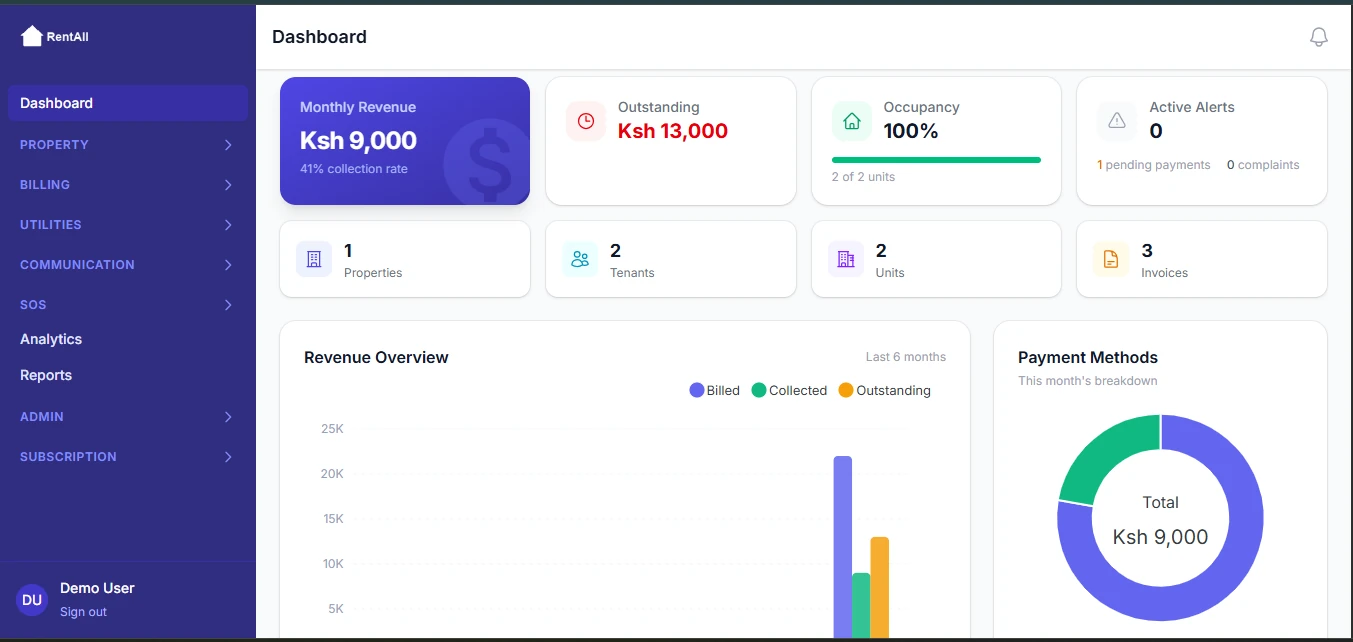
The price of a property management system (PMS) in Kenya is not fixed—it is influenced by several key factors that determine how powerful, scalable, and customized the system will be. Understanding these factors helps landlords and property managers make informed decisions and avoid paying for features they do not need while still ensuring they get value from the system.
Most PMS providers use a scalable pricing model, meaning you pay based on your usage, the size of your portfolio, and the features you require. This flexibility makes it possible for both small landlords and large property firms to adopt digital property management at a level that fits their operations.
3.1 Number of Units Managed – More Properties Increase Subscription Costs
One of the biggest factors affecting PMS pricing is the number of units or properties being managed.
- Unit-Based Pricing – Many systems charge based on how many rental units you manage.
- Scalability Impact – As your portfolio grows, your subscription cost increases accordingly.
- Resource Usage – More units require more data storage, processing, and system resources.
- Tiered Plans – Providers often group pricing into tiers based on unit ranges.
- This ensures that small landlords pay less while larger property managers pay more for expanded capacity.
The more properties or units you manage, the higher your PMS subscription cost will be.
3.2 Features Included – Automation, Analytics, and Integrations Add Value and Cost
The level of functionality in a PMS significantly influences its pricing.
- Basic vs Advanced Features – Entry-level systems offer simple tools, while advanced systems include automation and analytics.
- Automation Tools – Features like automated invoicing, reminders, and payment tracking increase value.
- Advanced Reporting – Detailed analytics and financial insights often come at a higher cost.
- System Integrations – Connecting with payment platforms, accounting tools, or other software adds to pricing. Choosing the right feature set ensures you pay for what you actually need.
More features increase both the value and cost of a PMS, so it’s important to match features with your needs.
3.3 Type of System – Cloud-Based Systems Usually Charge Monthly Subscriptions
The type of PMS you choose also affects how pricing is structured.
- Cloud-Based Systems – Most modern PMS platforms operate on monthly or annual subscription models.
- No Upfront Hardware Costs – Cloud systems reduce the need for expensive infrastructure.
- Continuous Updates – Subscription fees often include system updates and maintenance.
- Accessibility Benefits – Cloud systems allow remote access, which adds to their value. Traditional systems may have one-time costs, but cloud-based solutions dominate due to flexibility and scalability.
Cloud-based PMS platforms typically use subscription pricing, offering flexibility and ongoing updates.
3.4 Customization Needs – Custom Workflows or Integrations Increase Pricing
Customization is another factor that can significantly impact PMS costs.
- Tailored Workflows – Custom processes designed for specific business operations increase development costs.
- System Integrations – Connecting with external tools or unique platforms adds complexity.
- Branding and Configuration – Custom dashboards or user experiences may require additional investment.
- Enterprise Requirements – Large organizations often need customized solutions, which are more expensive. While customization improves efficiency, it also increases overall system cost.
The more customized your PMS needs to be, the higher the cost due to additional development and integration.
3.5 Support and Training – Premium Support Packages May Cost Extra
Support and training services are essential for ensuring smooth system operation but may come at an additional cost.
- Basic Support – Standard support is often included in most plans.
- Premium Support – Faster response times and dedicated support teams may require higher-tier plans.
- User Training – Onboarding sessions and training programs may be charged separately.
- Ongoing Assistance – Maintenance and troubleshooting services can affect overall pricing. Reliable support ensures long-term system efficiency and user confidence.
Higher levels of support and training improve user experience but may increase PMS costs.
The price of a property management system in Kenya is influenced by several key factors, including the number of units managed, the features included, the type of system, customization requirements, and the level of support provided. Most PMS platforms use scalable pricing models, allowing users to pay based on their specific needs and portfolio size. By understanding these factors, landlords and property managers can choose a system that delivers the right balance between cost, functionality, and long-term value.
4. Pricing Models for PMS in Kenya

Property management systems (PMS) in Kenya are offered through different pricing models, each designed to suit specific types of users and property portfolios. Understanding these pricing structures is important because it helps landlords and property managers choose a system that aligns with their financial capacity, operational needs, and long-term growth plans.
Rather than a one-size-fits-all approach, PMS providers structure their pricing to be flexible and scalable. This means you can start with a model that fits your current portfolio and transition to a more advanced one as your property business grows. The three most common pricing models in Kenya are monthly subscriptions, per-unit pricing, and custom enterprise solutions.
4.1 Monthly Subscription Model
The monthly subscription model is the most widely used pricing structure for property management systems in Kenya.
- Fixed Monthly Fee – Users pay a consistent monthly amount based on selected features or plan level.
- Feature-Based Plans – Pricing tiers are often determined by the features included, such as reporting, automation, or integrations.
- Predictable Costs – Makes budgeting easier because expenses remain consistent each month.
- Scalable Structure – Users can upgrade or downgrade plans as their needs change.
- Low Entry Barrier – No large upfront investment is required, making it accessible for small landlords. This model is especially popular because it combines affordability, flexibility, and ease of use.
The monthly subscription model is the most common and user-friendly option, offering predictable costs and easy scalability.
4.2 Per-Unit Pricing Model
The per-unit pricing model is designed to scale directly with the size of your property portfolio.
- Cost Based on Units – Pricing increases depending on the number of properties or tenants being managed.
- Flexible Scaling – Ideal for users whose portfolios grow over time, as costs adjust accordingly.
- Fair Pricing Structure – Small landlords pay less, while larger portfolios pay more based on usage.
- Efficient Resource Allocation – Reflects actual system usage, making it cost-effective for dynamic portfolios.
- This model is particularly beneficial for property managers handling multiple properties or planning rapid expansion.
Per-unit pricing offers flexibility and fairness by aligning costs with the size of your property portfolio.
4.3 Custom/Enterprise Pricing
Custom or enterprise pricing is designed for large property management companies and real estate firms with complex needs.
- Tailored Solutions – Systems are customized based on specific business requirements.
- Advanced Integrations – Includes integration with accounting software, payment systems, and other enterprise tools.
- Dedicated Support – Often comes with priority support, onboarding, and training services.
- High Scalability – Built to handle large portfolios, multiple users, and complex operations.
- Flexible Pricing – Costs are determined based on features, customization, and scale of implementation. This model is ideal for organizations that require more than standard PMS functionality.
Custom enterprise pricing provides highly tailored solutions for large-scale property management operations.
Pricing models for property management systems in Kenya are designed to accommodate different users, from small landlords to large real estate firms. The monthly subscription model offers simplicity and predictability, the per-unit model provides scalable and usage-based pricing, and custom enterprise solutions deliver advanced, tailored functionality. By understanding these models, property managers can choose a pricing structure that best supports their operational needs and long-term growth.
5. Features Included at Different Price Levels
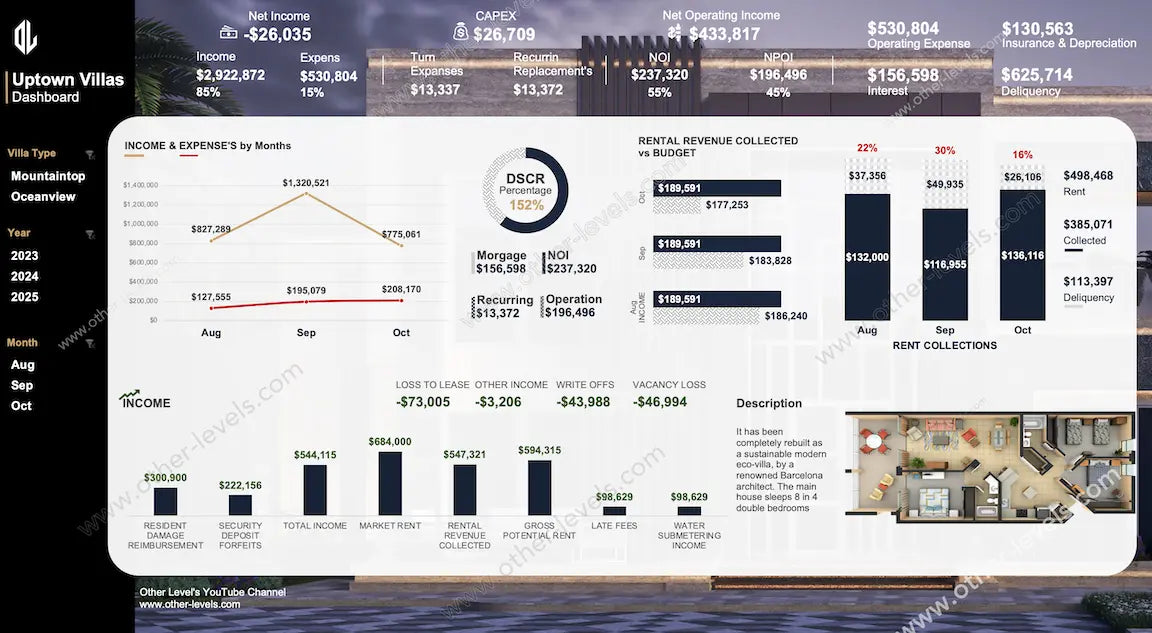
Property management systems (PMS) in Kenya are typically structured into different pricing tiers, with each level offering a distinct set of features. As the price increases, the system becomes more powerful, automated, and capable of handling complex operations. Understanding what features are included at each level helps landlords and property managers choose the right plan based on their needs and budget.
Rather than paying for unnecessary tools, users can select a plan that matches their current operations while leaving room for future upgrades. From basic rent tracking to fully automated multi-property systems, each tier serves a specific purpose in the property management journey.
5.1 Basic Plans
Basic PMS plans are designed for small landlords or beginners who need simple tools to manage a limited number of rental units.
- Rent Tracking – Allows landlords to record and monitor rent payments for each tenant.
- Tenant Records – Stores essential tenant information such as names, contacts, and lease details.
- Manual Invoicing – Invoices are generated manually, giving users control over billing processes.
- Basic Reporting – Provides simple reports on payments and tenant status.
- Low Complexity – Easy to use with minimal setup and training required. These plans focus on core functionality without automation, making them ideal for users transitioning from manual systems.
Basic plans provide essential tools for small landlords who need simple and affordable property management solutions.
5.2 Mid-Range Plans
Mid-range PMS plans introduce automation and more advanced features, making them suitable for growing property portfolios.
- Automated Rent Collection – Tracks payments automatically and reduces manual follow-ups.
- Payment Reminders – Sends notifications to tenants for upcoming or overdue rent.
- Financial Reporting – Generates detailed reports on income, expenses, and performance.
- Analytics Tools – Provides insights into occupancy rates, revenue trends, and tenant behavior.
- Maintenance Tracking – Allows users to log, monitor, and manage repair and maintenance requests. These features significantly improve efficiency and reduce administrative workload.
Mid-range plans offer automation and deeper insights, making them ideal for expanding property management operations.
5.3 Premium Plans
Premium PMS plans are designed for large-scale property managers and real estate firms that require full automation and advanced capabilities.
- Full Automation – Automates invoicing, rent collection, communication, and reporting processes.
- M-Pesa Integration – Enables seamless mobile money payments and automatic reconciliation.
- Advanced Analytics – Provides detailed dashboards, performance metrics, and forecasting tools.
- Multi-Property Management – Manage multiple buildings, units, and locations from one system.
- Multi-User Access – Allows teams to collaborate with different access levels and permissions.
- System Integrations – Connects with accounting software, payment systems, and other platforms. These systems deliver a complete, professional-grade property management experience.
Premium plans provide advanced automation, integrations, and scalability for large property portfolios.
Property management systems in Kenya offer tiered feature sets ranging from basic to premium levels. Basic plans focus on essential tools, mid-range plans introduce automation and analytics, and premium plans deliver full integration and scalability. By understanding these differences, landlords and property managers can choose a system that aligns with their current needs while preparing for future growth.
6. Is Property Management Software Worth the Cost?
For many landlords and property managers in Kenya, the biggest question is whether investing in a property management system (PMS) is truly worth the cost. While there is a monthly subscription involved, the value of a PMS goes far beyond the price. It transforms how properties are managed—turning time-consuming, error-prone processes into efficient, automated workflows.
Instead of viewing PMS as an added expense, it should be considered a strategic investment that improves operational efficiency, financial control, and long-term growth. The real cost of not using a PMS often includes lost time, missed payments, poor record-keeping, and limited visibility into property performance. Below is a detailed breakdown of why a PMS is worth the investment.
6.1 Saves Time by Automating Rent Collection and Reporting
Time efficiency is one of the most immediate and noticeable benefits of using a PMS.
- Automated Rent Tracking – The system records payments automatically, eliminating manual tracking.
- Instant Reporting – Financial and operational reports are generated in real time without manual calculations.
- Reduced Administrative Work – Tasks like invoicing, reminders, and updates are handled by the system.
- Faster Operations – Property managers can handle more tasks in less time. This allows landlords and agencies to focus on growth and tenant relationships rather than repetitive admin work.
A PMS saves significant time by automating core property management tasks.
6.2 Reduces Errors Compared to Manual Systems
Manual systems such as spreadsheets and notebooks are highly prone to mistakes, especially as portfolios grow.
- Accurate Calculations – Automated systems eliminate human errors in rent calculations and balances.
- Consistent Data Entry – Standardized processes ensure data is recorded correctly.
- Reliable Records – Digital storage reduces the risk of lost or incomplete information.
- Better Accountability – Accurate data improves transparency and trust. Reducing errors leads to better financial management and fewer disputes with tenants.
A PMS improves accuracy by eliminating common errors associated with manual systems.
6.3 Improves Rent Collection Efficiency and Reduces Arrears
Rent collection is one of the most critical aspects of property management, and a PMS makes it more structured and efficient.
- Payment Visibility – Instantly see who has paid and who is overdue.
- Automated Reminders – Tenants receive notifications, reducing delays.
- Integrated Payments – Systems with mobile money integration simplify transactions.
- Improved Cash Flow – Consistent tracking leads to more reliable income. This helps landlords maintain better financial stability and reduce unpaid rent.
A PMS enhances rent collection efficiency and minimizes arrears.
6.4 Provides Real-Time Insights into Property Performance
Access to real-time data allows property owners to make smarter decisions.
- Live Dashboards – View income, occupancy, and tenant activity instantly.
- Performance Tracking – Monitor trends in rent collection and vacancies.
- Data-Driven Decisions – Use insights to improve pricing, occupancy, and operations.
- Better Planning – Identify opportunities for growth and optimization. This level of visibility is difficult to achieve with manual systems.
Real-time insights empower better decision-making and strategic planning.
Property management software is worth the cost because it delivers measurable value through time savings, improved accuracy, better rent collection, and real-time insights. Rather than being an expense, a PMS is an investment that enhances efficiency, reduces losses, and supports long-term property management success.
7. Free and Low-Cost Options

Free and low-cost property management system (PMS) options are becoming increasingly popular in Kenya, especially among small landlords and beginners who want to transition from manual systems without committing to immediate costs. These entry-level options provide an opportunity to explore digital property management, understand how PMS platforms work, and gradually adopt more advanced features as needs grow.
While free or low-cost systems may not offer the full range of capabilities found in premium platforms, they serve as a valuable starting point. They allow users to experience the benefits of digital management—such as organization, tracking, and basic reporting—before investing in more advanced solutions. This approach reduces financial risk while still improving efficiency.
7.1 Some Platforms Offer Free Trials or Starter Plans for Small Landlords
Many PMS providers offer free trials or entry-level plans to attract new users and help them get started.
- Free Trials – Temporary access to full or partial features, allowing users to test the system before committing.
- Starter Plans – Low-cost or free versions designed for small landlords managing a few units.
- Risk-Free Adoption – Users can explore the platform without financial commitment.
- Ease of Transition – Helps landlords move from manual systems to digital tools gradually. These options are ideal for users who want to evaluate the system before making a long-term decision.
Free trials and starter plans provide a low-risk way to begin using property management software.
7.2 Basic Systems May Have Limited Features but Are Useful for Beginners
Free or low-cost PMS platforms often focus on essential features while limiting advanced functionality.
- Core Features Only – Includes basic tools such as tenant records, rent tracking, and simple reporting.
- Limited Automation – Advanced automation features may not be included in free versions.
- User Restrictions – Some systems limit the number of units or users.
- Learning Opportunity – Helps users understand PMS functionality before upgrading. Although limited, these systems are highly useful for beginners who need simple and effective tools.
Basic PMS systems may have fewer features but provide a strong foundation for new users.
7.3 Upgrading Unlocks Automation, Integrations, and Advanced Tools
As property management needs grow, users can upgrade to access more powerful features.
- Automation Features – Includes automated invoicing, reminders, and payment tracking.
- System Integrations – Connect with mobile money, accounting tools, and other platforms.
- Advanced Analytics – Access detailed reports, dashboards, and performance insights.
- Scalability – Manage more properties, users, and complex operations. Upgrading ensures that the system evolves alongside your property portfolio. Upgrading unlocks advanced features that enhance efficiency, control, and scalability.
Free and low-cost PMS options provide an accessible entry point for landlords and property managers in Kenya. While these systems may have limited features, they offer essential tools for beginners and allow users to explore digital property management without financial risk. As needs grow, upgrading to paid plans unlocks automation, integrations, and advanced capabilities, making PMS platforms a scalable solution for long-term property management success.
8. How to Choose the Right PMS Based on Price
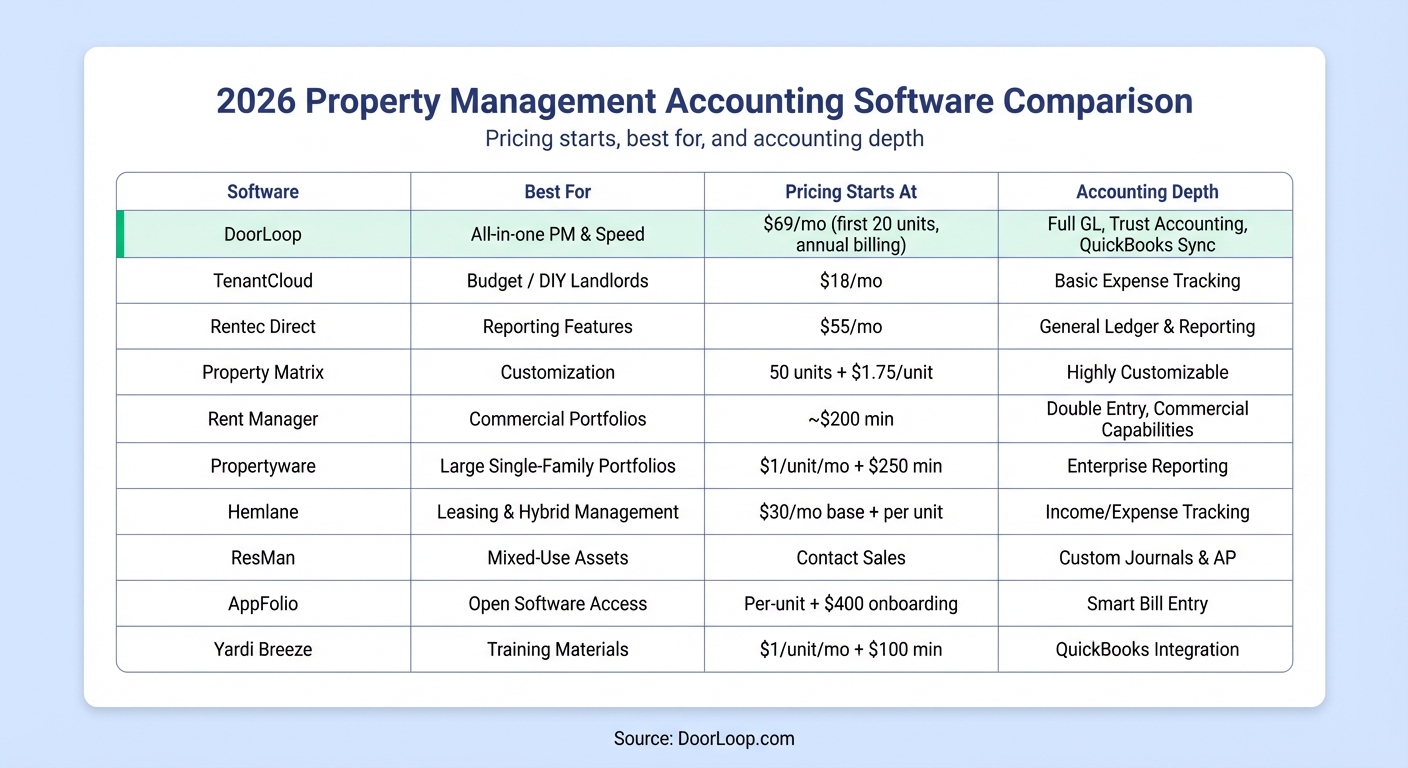
Choosing the right property management system (PMS) based on price requires more than simply selecting the cheapest option. It involves understanding how pricing aligns with your current needs, future growth, and the value the system delivers. In Kenya’s property market, where PMS solutions vary widely in cost and functionality, making the right choice ensures you get maximum efficiency without overspending.
A well-chosen PMS should strike a balance between affordability and performance. It should solve your immediate challenges—such as rent tracking and tenant management—while also offering the flexibility to grow with your portfolio. By focusing on key decision factors, you can ensure that your investment delivers long-term value rather than short-term savings.
8.1 Start with Your Current Portfolio Size and Budget
The first step in choosing the right PMS is understanding your current position.
- Portfolio Assessment – Determine how many units or properties you currently manage.
- Budget Planning – Set a realistic monthly budget based on your income and operational costs.
- Right-Sized Solution – Avoid overpaying for features you don’t need at your current level.
- Cost Efficiency – Entry-level systems may be sufficient for small landlords, while larger portfolios require more advanced plans. Matching your system to your current scale ensures you get value without unnecessary expense.
Always choose a PMS that fits your current portfolio size and budget to maximize cost efficiency.
8.2 Choose a System That Can Scale as Your Properties Increase
Scalability is essential when evaluating PMS pricing.
- Future Growth – Your system should support additional units and properties as your portfolio expands.
- Upgrade Flexibility – Look for platforms that allow easy plan upgrades without system changes.
- Long-Term Investment – Avoid switching systems frequently as your business grows.
- Operational Continuity – A scalable system ensures smooth operations during expansion. Choosing a scalable PMS protects your investment and reduces long-term costs.
A scalable PMS ensures your system grows with your business without disruption.
8.3 Ensure Integration with M-Pesa and Local Payment Systems
In Kenya, payment integration is a critical factor when choosing a PMS.
- M-Pesa Compatibility – Enables seamless rent collection through mobile money.
- Automated Reconciliation – Payments are recorded automatically, reducing manual work.
- Tenant Convenience – Easier payment options improve collection rates.
- Financial Accuracy – Integration minimizes discrepancies in payment records. A system without local payment integration may create inefficiencies and extra work.
M-Pesa integration is essential for efficient rent collection and financial management.
8.4 Compare Features, Not Just Price, to Get the Best Value
Focusing only on price can lead to poor decisions if the system lacks essential functionality.
- Feature Evaluation – Compare what each plan offers in terms of automation, reporting, and integrations.
- Value vs Cost – A slightly more expensive system may provide significantly better efficiency.
- Hidden Costs – Consider upgrade fees, add-ons, and support costs.
- Performance Impact – Better features often translate to improved operations and savings. The goal is to find a system that delivers the highest value, not just the lowest price.
The best PMS is not the cheapest—it is the one that offers the best value for your needs.
Choosing the right PMS based on price involves evaluating your portfolio size, ensuring scalability, prioritizing local payment integration, and comparing features rather than focusing solely on cost. By taking a strategic approach, landlords and property managers in Kenya can select a system that balances affordability with functionality, ensuring long-term efficiency and growth.
9. Future Pricing Trends in Kenya
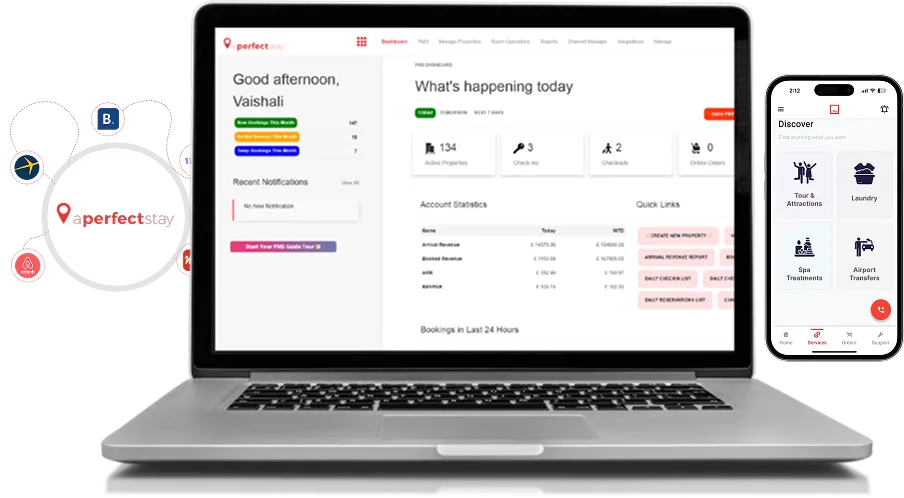
The pricing of property management systems (PMS) in Kenya is evolving alongside rapid technological advancements and the growing demand for digital solutions in the real estate sector. As more landlords, agents, and property companies adopt PMS platforms, pricing models are becoming more flexible, competitive, and value-driven. This shift is making property management software more accessible while also introducing advanced capabilities that influence higher-tier pricing.
Looking ahead, PMS pricing in Kenya will not only reflect the size of property portfolios but also the level of intelligence, automation, and integration offered by the system. From affordable entry-level plans to AI-powered enterprise solutions, the market is moving toward a more dynamic and scalable pricing environment.
9.1 Increasing Adoption of Subscription-Based Cloud Systems
Cloud-based subscription models are becoming the dominant pricing structure in Kenya.
- Monthly Subscriptions – Users pay recurring fees instead of large upfront costs.
- Flexible Plans – Pricing tiers allow users to choose based on features and portfolio size.
- Automatic Updates – Systems are continuously improved without additional installation costs.
- Accessibility – Cloud platforms enable remote access from anywhere.This model lowers the barrier to entry and encourages more landlords to adopt PMS solutions.
Subscription-based cloud systems are becoming the standard pricing model due to their flexibility and accessibility.
9.2 More Affordable Entry-Level Solutions for Small Landlords
As competition increases, more providers are offering budget-friendly solutions.
- Lower Entry Costs – Affordable plans are being introduced to attract small landlords.
- Starter Packages – Basic systems with essential features are becoming more common.
- Market Expansion – More landlords can adopt PMS without financial strain.
- Increased Competition – Providers compete on pricing and value, benefiting users.This trend is helping to democratize access to property management technology in Kenya.
Entry-level PMS solutions are becoming more affordable, making digital property management accessible to more users.
9.3 Integration with Mobile Money and Automation Tools Becoming Standard
Local payment integration and automation are no longer optional—they are becoming standard features.
- M-Pesa Integration – Seamless mobile money payments are expected in most systems.
- Automated Workflows – Features like reminders, invoicing, and reporting are increasingly included.
- Improved Efficiency – Automation reduces manual work and operational costs.
- Value-Based Pricing – Systems with better integrations offer higher value.As these features become standard, they will influence pricing structures across different tiers.
Mobile money integration and automation are becoming baseline features in PMS platforms.
9.4 Growth of AI-Driven Features Influencing Premium Pricing
Artificial intelligence is beginning to shape the future of high-end PMS solutions.
- Predictive Analytics – AI can forecast rent trends, occupancy rates, and revenue performance.
- Smart Automation – Systems can make recommendations for pricing, maintenance, and tenant management.
- Advanced Insights – AI-driven dashboards provide deeper analysis of property data.
- Premium Pricing – These advanced capabilities are likely to increase the cost of top-tier plans.AI will differentiate basic systems from premium ones, creating a clearer gap in pricing levels.
AI-driven features will drive the value—and pricing—of advanced PMS platforms.
Future pricing trends for property management systems in Kenya are being shaped by cloud adoption, increased affordability, standardization of mobile money integration, and the rise of AI-powered features. As the market evolves, PMS platforms will become more accessible to small landlords while offering increasingly advanced tools for larger property managers. This balance between affordability and innovation will define the next phase of property management technology in Kenya.
10. FAQs on Property Management System Price in Kenya
Understanding the pricing of property management systems (PMS) in Kenya is essential for landlords, agents, and property companies looking to adopt digital solutions. With a wide range of pricing options available—from basic entry-level plans to advanced enterprise systems—many users have questions about cost, value, and what to expect. Below is a detailed and structured breakdown of the most frequently asked questions regarding PMS pricing in Kenya.
10.1 How much does a property management system cost in Kenya?
PMS pricing in Kenya varies depending on features, system capabilities, and the size of the property portfolio.
Typical Range – Most systems cost between Ksh 2,500 and Ksh 30,000 per month.
Feature Influence – Advanced features like automation and analytics increase pricing.
Scale Impact – Larger portfolios require higher-tier plans.
Flexible Options – Different providers offer various pricing tiers.
PMS costs vary widely but are generally structured to suit different budgets and needs.
10.2 What is the cheapest PMS in Kenya?
Affordable PMS solutions are available for small landlords and beginners.
Entry-Level Pricing – Basic systems can start from around Ksh 3,500 per month.
Limited Features – Focus on essential tools such as rent tracking and tenant management.
Ideal for Beginners – Suitable for landlords managing a few units.
Upgrade Options – Users can move to higher plans as needed.
The cheapest PMS options are entry-level systems designed for small-scale property management.
10.3 Are there free property management systems?
Some PMS providers offer free or low-cost options to attract new users.
Free Trials – Temporary access to full or limited features.
Starter Plans – Basic versions with limited functionality.
Low Risk – Allows users to test systems before committing.
Upgrade Path – Advanced features require paid plans.
Free options exist, but full functionality typically requires a paid subscription.
10.4 Do PMS systems support M-Pesa?
Yes, mobile money integration is a key feature in Kenyan PMS platforms.
M-Pesa Integration – Enables seamless rent payments through mobile money.
Automatic Recording – Payments are logged automatically in the system.
Convenience – Tenants can pay easily using familiar methods.
Improved Efficiency – Reduces manual reconciliation of payments.
Most PMS platforms in Kenya support M-Pesa for efficient rent collection.
10.5 Why do prices vary so much?
PMS pricing differences are influenced by several factors.
Feature Differences – Systems with more features cost more.
Portfolio Size – Pricing increases with the number of units managed.
Support Levels – Premium support and training can raise costs.
Customization – Tailored solutions are more expensive.
Pricing varies due to differences in features, scale, and service levels.
10.6 Can I upgrade my PMS plan later?
Most modern PMS platforms are designed to be flexible and scalable.
Plan Upgrades – Users can move to higher tiers as their needs grow.
Feature Expansion – Unlock more tools and automation features.
Portfolio Growth – Manage more units without changing systems.
Seamless Transition – Upgrades are usually quick and simple.
PMS systems are scalable, allowing easy upgrades as your portfolio expands.
10.7 Is PMS worth it for small landlords?
Yes, even small landlords can benefit significantly from using a PMS.
Improved Efficiency – Automates routine tasks and reduces workload.
Better Organization – Keeps all records in one place.
Time Savings – Reduces manual tracking and follow-ups.
Scalability – Supports future growth.
PMS is highly valuable for small landlords looking to improve efficiency and organization.
10.8 Do I need internet to use PMS?
Internet connectivity is important for most PMS platforms.
Cloud-Based Systems – Require internet for access and functionality.
Remote Access – Enables management from anywhere.
Real-Time Updates – Data sync depends on connectivity.
Offline Limitations – Some features may not work without internet.
Internet is essential for full PMS functionality, especially for cloud-based systems.
10.9 Are enterprise systems expensive?
Enterprise PMS solutions are typically more costly but offer advanced capabilities.
Higher Pricing – Costs can exceed standard plans significantly.
Advanced Features – Includes automation, analytics, and integrations.
Large Portfolio Support – Designed for complex property operations.
Custom Solutions – Tailored to specific business needs.
Enterprise systems are more expensive but provide powerful tools for large-scale property management.
10.10 What is the best pricing model?
Different pricing models exist, but some are more popular than others.
Monthly Subscription – The most common and flexible pricing structure.
Scalable Plans – Allows users to upgrade as needed.
Predictable Costs – Easier to budget compared to one-time payments.
Wide Adoption – Used by most PMS providers in Kenya.
The monthly subscription model is the most flexible and widely used PMS pricing structure.
Property management system pricing in Kenya varies based on features, portfolio size, and service levels, but flexible options make it accessible to a wide range of users. From affordable entry-level systems to advanced enterprise solutions, PMS platforms offer scalable pricing models that grow with your needs. By understanding these FAQs, landlords and property managers can make informed decisions and choose systems that deliver the best value for their investment.
Understand Property Management System Pricing in Kenya

Property management system prices in Kenya are designed to be flexible and scalable, making them accessible to both small landlords and large real estate companies. Whether you manage a few rental units or a large portfolio, there are solutions available at different price points to match your operational needs and financial capacity. This accessibility allows property owners to adopt digital tools without significant upfront investment.
With pricing ranging from a few thousand shillings per month for basic systems to more advanced enterprise solutions with extensive features, businesses can choose what best suits their requirements. The key is to evaluate the value offered—such as automation, reporting, tenant management, and mobile access—against the cost. A well-chosen system can significantly improve efficiency, reduce manual work, and increase rent collection consistency.
Making the right investment ensures long-term benefits and scalability. By selecting a system with the right features and support, property owners can streamline operations and position themselves for growth in Kenya’s competitive real estate market. Visit Tiwi POS today to explore flexible property management system solutions.