Smart Property Automation Systems in Kenya: Upgrade Security, Comfort & Control Today by Tiwi POS
Property automation systems are revolutionizing how homes, offices, and commercial buildings operate across Kenya, bringing unmatched convenience, efficiency, and control. By integrating smart technologies into a single platform, property owners can manage lighting, security systems, energy usage, and appliances effortlessly. With innovative solutions from Tiwi POS, automation is no longer a luxury but a practical upgrade for modern living and business environments.
As Kenya embraces digital transformation, smart property solutions are becoming increasingly accessible and essential. Integration with technologies like M-Pesa enables seamless payment for smart services and utilities, while automation systems enhance security through real-time monitoring and alerts. Whether it’s controlling access, optimizing energy consumption, or managing multiple properties remotely, Tiwi POS delivers intelligent systems that simplify operations and improve overall property performance.
This guide explores everything you need to know about property automation systems in Kenya, including features, benefits, costs, and how to choose the right solution. Whether for residential homes, apartments, or commercial spaces, Tiwi POS provides scalable and user-friendly automation solutions that elevate comfort, strengthen security, and redefine modern living in Kenya.
1. What Is a Property Automation System?
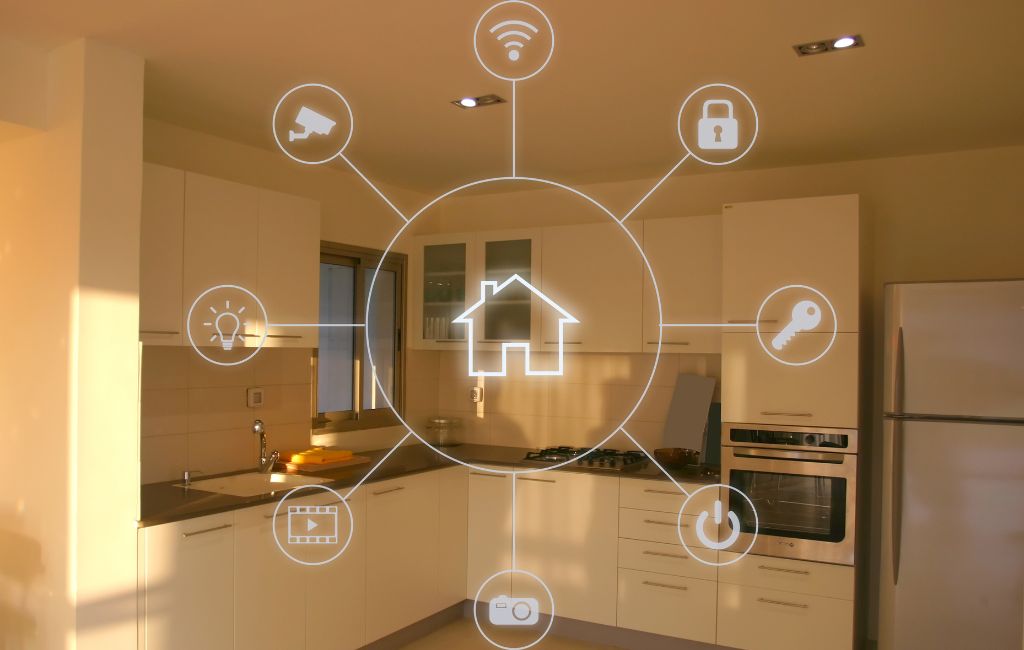
A property automation system is a smart technology solution that connects and controls different devices and systems within a home, apartment, office, or commercial building from one platform. In practice, these systems are used to monitor and manage things like lighting, HVAC, alarms, access control, cameras, and other connected devices through a centralized network.
1.1 A property automation system is a smart technology solution that connects and controls various devices within a property.
A property automation system is designed to make a building or home more intelligent by linking multiple devices so they can work together instead of operating separately.
Connected environment – Different systems communicate through one integrated setup.
Centralized control – Users do not need to manage each device individually.
Improved convenience – Daily tasks become easier and faster to handle.
Better efficiency – Automation reduces manual effort and saves time.
This means a user can manage several parts of a property from one place rather than moving from device to device.
A property automation system turns a regular property into a connected and more manageable smart environment.
1.2 It integrates systems like lighting, security, climate control, and appliances into one centralized platform.
One of the biggest advantages of property automation is integration. Instead of treating lighting, security, and climate systems as separate tools, the system brings them together into one unified platform. Smart building and smart home platforms commonly centralize HVAC, lighting, alarms, locks, cameras, and energy-related devices for easier control and monitoring.
Lighting control – Switch lights on or off automatically or remotely.
Security integration – Manage cameras, alarms, locks, and access points from one system.
Climate control – Adjust temperature and ventilation settings centrally.
Appliance management – Connect compatible household or building devices for easier operation.
This integration improves convenience while also helping property owners manage energy use, safety, and comfort more effectively.
Centralized integration makes property management simpler, smarter, and more efficient.
1.3 Users can control the system via mobile apps, voice assistants, or control panels.
Modern property automation systems are built around easy access and convenience. Many smart home and smart property ecosystems allow users to control connected devices through mobile apps, dedicated wall panels, tablets, and voice assistants.
Mobile app access – Control devices from anywhere using a smartphone or tablet.
Voice commands – Use supported voice assistants for hands-free control.
Touch panels – Manage multiple functions from mounted control screens.
Remote monitoring – Check property status even when away from the building.
This flexibility makes the system practical for both residential and commercial users who want convenience and real-time control.
Multiple control options make property automation easy to use, flexible, and accessible.
1.4 It uses technologies like IoT (Internet of Things) and AI to automate daily tasks.
Property automation systems rely heavily on IoT, which refers to connected physical devices with sensors, software, and network connectivity that can collect and share data. Recent IoT platforms also increasingly support intelligent automation and decision-making at the edge, which helps systems respond more automatically to conditions and user preferences.
IoT connectivity – Devices communicate with each other and with the central system.
Sensor-based automation – Lights, climate, or security can respond to motion, temperature, or time schedules.
Smart routines – Repeated tasks can be automated without manual input.
AI-enhanced operation – Some systems can learn patterns and optimize performance over time.
For example, lights can switch on when motion is detected, air conditioning can adjust automatically based on room conditions, and security alerts can be triggered instantly when unusual activity is detected.
IoT and AI make property automation smarter by enabling devices to respond automatically and intelligently.
A property automation system is a smart, centralized solution that connects lighting, security, climate control, appliances, and other devices within a property. It allows users to manage these systems through apps, voice assistants, or control panels, while IoT and AI help automate routine tasks and improve efficiency. As a result, property automation enhances convenience, comfort, security, and overall property management.
2. Key Components of Property Automation Systems
Property automation systems are made up of several interconnected components that work together to create a smart, efficient, and secure environment. Each component plays a specific role, from controlling lighting and temperature to managing security and access. Understanding these elements helps property owners design a system that meets their needs while improving convenience, safety, and energy efficiency.
2.1 Smart Lighting Systems
Smart lighting is one of the most common and impactful components of property automation, offering both convenience and energy savings.
Automated lighting schedules and motion sensors – Lights can turn on or off automatically based on time or movement.
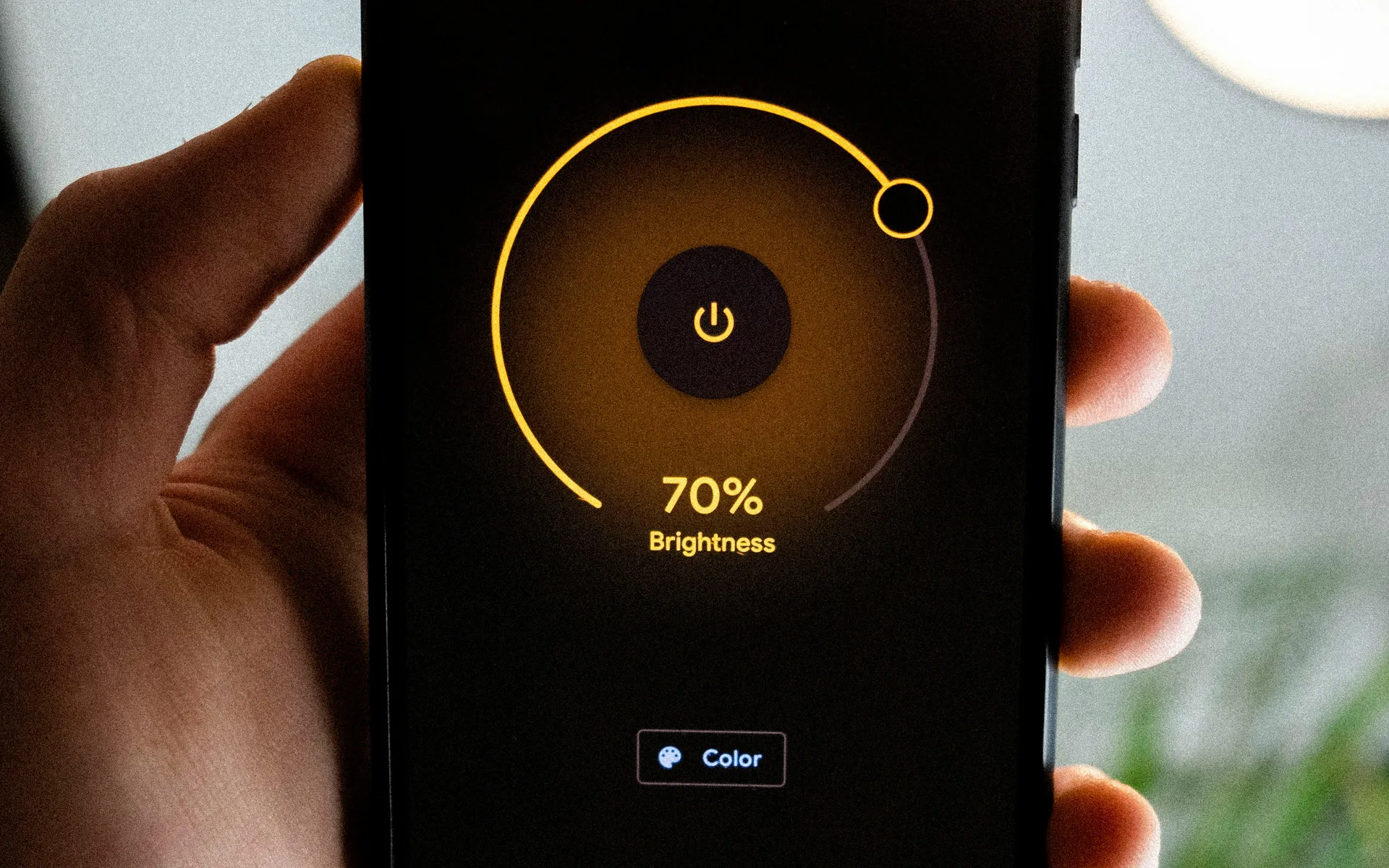
Remote control of brightness and ambiance – Adjust lighting levels and moods from a mobile app or control panel.
Energy efficiency – Lights only operate when needed, reducing electricity consumption.
Enhanced convenience – Eliminates the need for manual switching, especially in large properties.
Smart lighting improves both comfort and efficiency in homes and commercial spaces.
Smart lighting systems enhance convenience while reducing energy usage and operational costs.
2.2 Security and Surveillance Systems
Security is a critical part of any property automation system, ensuring safety and real-time monitoring.
CCTV cameras and motion sensors – Monitor activity and detect movement around the property.
Smart locks and alarms – Secure entry points and trigger alerts when needed.
Real-time alerts – Receive notifications instantly on your phone.
Remote monitoring – View live footage and control security systems from anywhere.
These systems provide peace of mind by keeping properties protected at all times.
Integrated security systems enhance safety and allow real-time control and monitoring.
2.3 Climate Control Systems
Climate control systems help maintain a comfortable indoor environment while optimizing energy use.
Smart thermostats – Automatically regulate temperature settings.
Automated ventilation – Control airflow based on indoor conditions.
Adaptive temperature control – Adjust settings based on occupancy or weather changes.
Energy savings – Reduce unnecessary heating or cooling.
This ensures comfort while minimizing energy costs.
Climate control systems balance comfort and efficiency through intelligent temperature management.
2.4 Access Control and Automation
Access control systems regulate who can enter or exit a property, improving both security and convenience.
Biometric systems – Use fingerprints or facial recognition for secure access.
Smart gates and automated doors – Control entry points remotely or automatically.
Remote access control – Grant or restrict access from anywhere.
Enhanced security – Prevent unauthorized entry into the property.
These systems are widely used in both residential and commercial properties.
Access control systems improve security by managing and monitoring entry points effectively.
2.5 Central Control System
The central control system acts as the “brain” of the entire property automation setup, connecting all components into one platform.
Mobile app or control panel – Manage all devices from a single interface.
Automation and scheduling – Set routines for lighting, security, and climate systems.
Remote access – Control your property even when you are away.
Seamless integration – Ensures all systems work together smoothly.
This unified control simplifies management and enhances the user experience.
A central control system brings all automation components together for easy and efficient management.
Property automation systems consist of key components such as smart lighting, security systems, climate control, access control, and a central control platform. Each plays a vital role in improving convenience, safety, and efficiency. When integrated, these components create a fully connected environment that enhances the overall functionality and value of a property.
3. How Property Automation Works
Property automation works by connecting smart devices and systems within a property so they can communicate, respond to commands, and operate automatically. Instead of managing lighting, security, climate, and access systems separately, automation brings them together into one coordinated setup. This allows property owners to enjoy more convenience, better control, improved energy efficiency, and stronger security in both residential and commercial spaces.
3.1 Devices Are Connected Through Wi-Fi, Bluetooth, or Other Smart Protocols
The first step in property automation is connectivity. Smart devices need a way to communicate with each other and with the central control system.
Wi-Fi connectivity – Many smart devices connect through the internet for remote access and control.
Bluetooth connections – Useful for short-range communication between devices and controllers.
Smart protocols – Technologies such as Zigbee, Z-Wave, or similar protocols help devices communicate efficiently.
Seamless integration – Different devices can work together as part of one system.
This connected network forms the foundation of the automation system and allows devices to respond intelligently.
Smart connectivity enables devices to communicate and work together as one automated system.
3.2 A Central System Receives and Executes Commands
At the center of property automation is a control hub or software platform that manages all connected devices.
Command processing – The system receives instructions from the user or from pre-set automation rules.
Device coordination – It ensures all connected devices respond correctly and in sync.
Centralized management – Instead of controlling each device separately, everything is managed from one platform.
Efficient operation – Commands are executed quickly, improving convenience and responsiveness.
This central system acts as the brain of the automation setup, making the entire property easier to manage. The central system is what makes automation possible by receiving, processing, and executing commands across all devices.
3.3 Users Control the System via Smartphone, Tablet, or Voice Assistants
One of the main benefits of property automation is the convenience of controlling systems from different devices.
Smartphone access – Users can monitor and control the property from anywhere using mobile apps.
Tablet control – Larger screens provide an easy way to manage multiple functions at once.
Voice assistants – Users can issue hands-free commands for tasks like switching lights on or adjusting the temperature.
Real-time monitoring – Property owners can check the status of systems instantly, even when away.
This flexibility makes automation practical and user-friendly for everyday living and business operations. Multiple control options make property automation simple, flexible, and convenient for users.
3.4 Automation Allows Devices to Operate Based on Schedules or Triggers
Automation is what makes a smart property truly intelligent. Instead of relying only on manual commands, devices can operate automatically according to rules, schedules, or triggers.
Scheduled operations – Lights, climate systems, or gates can activate at specific times of day.
Trigger-based actions – Motion sensors, temperature changes, or door activity can cause devices to respond automatically.
Reduced manual effort – Routine tasks happen without constant user input.
Improved efficiency – Systems operate only when needed, saving energy and improving convenience.
For example, lights can switch on when someone enters a room, air conditioning can adjust based on indoor temperature, and security alerts can activate when unusual activity is detected.
Automation through schedules and triggers makes property systems more efficient, responsive, and convenient.
Property automation works by connecting devices through smart communication technologies, linking them to a central control system, and allowing users to manage them through smartphones, tablets, or voice assistants. With the addition of schedules and trigger-based automation, these systems can operate intelligently with minimal manual input. This creates a smarter, safer, and more efficient property environment.
4. Benefits of Property Automation Systems in Kenya
Property automation systems are transforming how homes and businesses operate in Kenya by improving security, convenience, and efficiency. With the increasing adoption of smart technologies, property owners can now manage multiple systems from a single platform while reducing costs and enhancing overall property value. These benefits make automation a worthwhile investment for both residential and commercial properties.
4.1 Enhanced Security – Real-Time Monitoring and Alerts Improve Safety
Security is one of the most important advantages of property automation systems.
Real-time surveillance – Monitor your property through cameras and sensors at any time.
Instant alerts – Receive notifications on your phone when unusual activity is detected.
Remote access control – Lock or unlock doors and gates from anywhere.
Integrated systems – Combine alarms, cameras, and motion sensors for complete protection.
These features provide peace of mind by ensuring that your property is always monitored and secure.
Property automation significantly improves security through real-time monitoring and instant alerts.
4.2 Convenience – Control Your Entire Property from One Platform
Automation simplifies daily life by allowing users to manage multiple systems from a single interface.
Centralized control – Manage lighting, security, climate, and appliances from one app or panel.
Remote access – Control your property even when you are away.
Simplified operations – Reduce the need to manually operate different systems.
Custom routines – Set automated schedules for daily activities.
This level of convenience makes property management easier and more efficient.
Centralized control enhances convenience and simplifies property management.
4.3 Energy Efficiency – Automated Systems Reduce Power Consumption
Energy efficiency is a major benefit, especially with rising electricity costs in Kenya.
Smart lighting – Lights turn off automatically when not in use.
Optimized climate control – Heating and cooling systems operate only when needed.
Energy monitoring – Track and manage energy usage more effectively.
Reduced wastage – Automation ensures resources are used efficiently.
These features help reduce unnecessary energy consumption while maintaining comfort. Property automation improves energy efficiency by reducing waste and optimizing usage.
4.4 Cost Savings – Lower Energy Bills and Reduced Operational Costs
By improving efficiency, automation systems help reduce overall expenses.
Lower electricity bills – Reduced energy usage leads to cost savings.
Reduced maintenance costs – Automated systems minimize wear and tear on equipment.
Efficient operations – Less manual work reduces labor and operational costs.
Long-term savings – Initial investment is offset by ongoing cost reductions.
Over time, these savings make automation a cost-effective solution. Property automation reduces operational costs and delivers long-term financial benefits.
4.5 Increased Property Value – Smart Homes and Offices Attract Higher Value and Tenants
Smart properties are becoming more desirable in the real estate market.
Higher market appeal – Modern buyers and tenants prefer smart-enabled properties.
Competitive advantage – Stand out in a crowded property market.
Better rental income – Smart features can justify higher rental rates.
Future-ready investment – Aligns with growing demand for smart technology.
This makes property automation a valuable upgrade for both homeowners and investors. Automation increases property value by making homes and offices more attractive and competitive.
Property automation systems offer numerous benefits in Kenya, including enhanced security, improved convenience, energy efficiency, cost savings, and increased property value. By integrating smart technologies, property owners can create safer, more efficient, and more attractive spaces while enjoying long-term financial and operational advantages.
5. Applications of Property Automation in Kenya
Property automation systems are widely used across different sectors in Kenya, transforming how homes, businesses, and commercial spaces operate. From improving convenience in residential homes to enhancing efficiency in offices and hospitality environments, automation provides practical solutions that improve daily operations, reduce costs, and elevate user experience.
5.1 Residential Homes
Property automation is increasingly popular in modern homes, offering comfort, security, and convenience for homeowners.
Smart lighting and security – Automate lighting, CCTV, alarms, and smart locks for better safety.
Entertainment systems – Integrate audio, TV, and streaming systems into one control platform.
Remote control – Manage your home from anywhere using a smartphone or tablet.
Automated routines – Schedule daily tasks such as lighting, temperature, and security settings.
This makes everyday living more convenient while improving safety and efficiency.
Property automation enhances comfort, security, and convenience in residential homes.
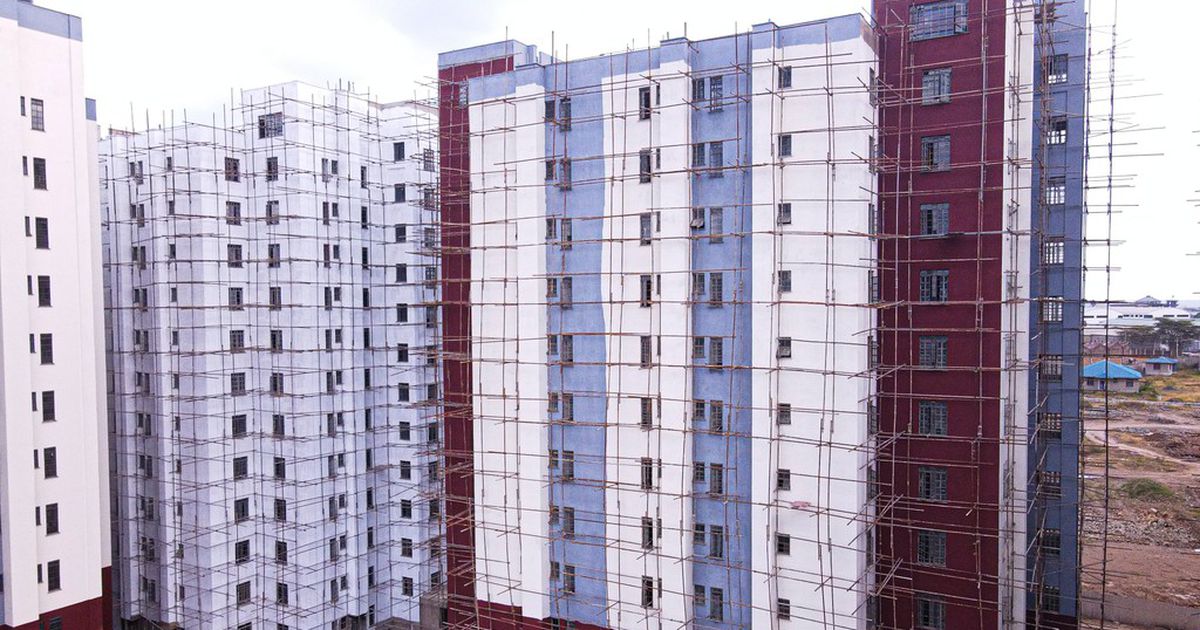
5.2 Apartments and Real Estate Developments
Developers and property managers are adopting automation to improve property value and tenant satisfaction.
Centralized control for multiple units – Manage lighting, security, and utilities across several apartments.
Smart access systems – Control entry points for residents and visitors.
Enhanced tenant experience – Offer modern smart living features that attract tenants.
Increased property value – Smart developments command higher rental and resale value.
Automation gives real estate developments a competitive edge in the market. Property automation increases efficiency and value in apartment and real estate projects.
5.3 Offices and Commercial Buildings
Automation plays a key role in improving efficiency and productivity in commercial environments.
Automated lighting and HVAC – Optimize energy use based on occupancy and schedules.
Access control systems – Secure offices using biometric or smart entry systems.
Centralized management – Control multiple systems from one platform.
These systems help businesses reduce costs while maintaining a professional working environment. Automation improves operational efficiency and productivity in offices and commercial buildings.
5.4 Hospitality and Hotels
The hospitality industry uses automation to deliver better guest experiences while managing resources efficiently.
Smart room controls – Guests can adjust lighting, temperature, and entertainment easily.
Personalized experience – Automation adapts to guest preferences for comfort.
Energy management – Systems reduce power usage when rooms are unoccupied.
Operational efficiency – Staff can monitor and manage systems centrally.
This enhances customer satisfaction while reducing operational costs for hotels. Property automation elevates guest experience and improves efficiency in hospitality settings.
Property automation systems in Kenya are widely applied in residential homes, apartments, offices, and hospitality environments. Each application benefits from improved efficiency, enhanced user experience, and better resource management. As adoption continues to grow, automation is becoming an essential feature for modern properties seeking convenience, security, and long-term value.
6. Features of Modern Property Automation Systems
Modern property automation systems are designed to provide convenience, intelligence, and efficiency by combining multiple technologies into one seamless experience. These systems go beyond basic control by offering smart features such as remote access, voice commands, automation routines, and energy integration. In Kenya, these features are increasingly important as property owners look for smarter, more efficient, and future-ready solutions.
6.1 Remote Access via Mobile Apps or Cloud Platforms
Remote access is one of the most valuable features of modern automation systems, allowing users to control their property from anywhere.
Mobile app control – Manage lighting, security, and appliances using a smartphone or tablet.
Cloud connectivity – Access your system from any location with internet access.
Real-time updates – Check the status of devices instantly.
Convenience on the go – Control your property even when traveling or away.
This ensures that users remain connected to their property at all times. Remote access provides flexibility and control, making property management more convenient and efficient.
6.2 Voice Control Integration with Smart Assistants
Voice control adds a hands-free way to manage smart systems, making automation even more user-friendly.
Voice commands – Turn lights on/off, adjust temperature, or control devices using simple voice instructions.
Integration with smart assistants – Works with popular voice-enabled platforms.
Ease of use – Ideal for quick actions without using a phone or control panel.
Accessibility – Helpful for users who prefer hands-free control.
This feature enhances convenience and modernizes how users interact with their property. Voice control simplifies interactions and makes automation more intuitive.
6.3 Custom Automation Routines (e.g., “Away Mode” or “Good Night”)
Automation routines allow users to create predefined actions that run automatically based on specific conditions or schedules.
Custom scenarios – Set modes like “Away,” “Good Night,” or “Morning Routine.”
Multiple actions at once – Control lighting, security, and climate with a single command.
Scheduled automation – Automate daily tasks based on time or activity.
Improved efficiency – Reduces the need for repeated manual actions.
For example, “Away Mode” can turn off lights, lock doors, and activate security systems automatically. Custom routines enhance convenience by automating multiple tasks with minimal effort.
6.4 Real-Time Monitoring and Notifications
Modern systems provide instant feedback and alerts, helping users stay informed about their property at all times.
Live monitoring – View security cameras and system status in real time.
Instant alerts – Receive notifications for unusual activity or system changes.
Remote response – Take action immediately when alerts are received.
Improved security and awareness – Stay updated even when away from the property.
This feature is especially useful for security and property management. Real-time monitoring ensures better control, awareness, and faster response to events.
6.5 Integration with Solar and Energy Systems
With the growing adoption of solar energy in Kenya, modern automation systems can integrate with energy solutions to improve efficiency.
Solar system integration – Monitor and manage solar energy usage.
Energy optimization – Automatically adjust systems to reduce power consumption.
Smart energy tracking – Analyze energy usage patterns.
Sustainability – Support eco-friendly and cost-effective energy solutions.
This makes property automation systems more relevant in energy-conscious environments. Integration with solar and energy systems improves efficiency, reduces costs, and supports sustainable living.
Modern property automation systems offer advanced features such as remote access, voice control, custom automation routines, real-time monitoring, and energy integration. These capabilities make properties smarter, more efficient, and easier to manage. As technology continues to evolve, these features are becoming essential for homes and businesses looking to enhance convenience, security, and sustainability.
7. Cost of Property Automation Systems in Kenya
The cost of property automation systems in Kenya varies widely depending on the size of the property, the number of systems being integrated, and the level of sophistication required. From basic smart setups to fully integrated intelligent buildings, there are solutions available for different budgets. Understanding these price ranges helps property owners plan effectively and choose systems that deliver the best value.
7.1 Basic Automation Systems – Ksh 50,000 – Ksh 150,000
Basic systems are ideal for small homes or apartments looking to introduce smart features without a large investment.
Entry-level automation – Includes basic lighting control, smart plugs, and simple security features.
Limited integration – Systems may operate independently with minimal central control.
Affordable setup – Suitable for homeowners starting their automation journey.
Scalable foundation – Can be upgraded later with additional features.
These systems provide a practical introduction to automation while keeping costs manageable.
Basic automation systems offer an affordable starting point for small properties.
7.2 Mid-Range Systems – Ksh 150,000 – Ksh 500,000
Mid-range systems provide more comprehensive automation for homes and offices with greater control and integration.
Integrated systems – Combine lighting, security, climate control, and access systems.
Central control platform – Manage multiple devices through one app or panel.
Improved user experience – More advanced features and automation routines.
Suitable for homes and offices – Ideal for medium-sized properties.
These systems strike a balance between affordability and functionality. Mid-range systems offer enhanced control and integration for growing automation needs.
7.3 Advanced Systems – Ksh 500,000+
Advanced automation systems are designed for large properties, commercial buildings, and luxury homes.
Full integration – Connect all systems, including lighting, HVAC, security, energy, and entertainment.
High-level automation – Advanced scheduling, AI-driven features, and custom configurations.
Professional installation – Requires expert design and setup.
Premium experience – Delivers maximum comfort, efficiency, and control.
These systems provide a complete smart environment tailored to complex property needs. Advanced systems deliver full automation and are ideal for large or high-end properties.
7.4 Costs Vary Based on Features, Property Size, and Level of Integration
The final cost of a property automation system depends on several important factors.
Property size – Larger properties require more devices and infrastructure.
Number of systems – Lighting, security, climate, and access systems increase the overall cost.
Level of integration – Fully integrated systems cost more than standalone setups.
Customization needs – Advanced features and tailored solutions add to the price.
Careful planning ensures you get the best value based on your specific needs and budget. Costs vary widely, so choosing the right features and level of integration is key to maximizing value.
Property automation systems in Kenya range from affordable basic setups to advanced, fully integrated solutions. The cost depends on factors such as property size, features, and complexity of integration. By understanding these price ranges, property owners can choose systems that match their needs, improve efficiency, and enhance the overall value of their property.
8. Choosing the Right Property Automation System
4
Choosing the right property automation system is a critical step in ensuring you get the best performance, value, and long-term benefits from your investment. With many options available in Kenya, it’s important to focus on your specific needs, future growth, and compatibility with your existing setup. A well-chosen system will not only improve convenience and security but also provide a seamless and scalable smart experience.
8.1 Identify Your Needs—Security, Lighting, Energy, or Full Automation
Before selecting a system, it’s important to clearly define what you want to achieve with automation.
Security-focused systems – Ideal for properties prioritizing surveillance, alarms, and access control.
Lighting automation – Suitable for improving convenience and energy efficiency.
Energy management – Helps monitor and reduce electricity usage.
Full automation – Integrates all systems for a complete smart property experience.
Understanding your priorities helps you avoid overspending on unnecessary features. Identifying your needs ensures you choose a system that matches your goals and budget.
8.2 Choose Scalable Systems That Allow Future Upgrades
A good automation system should grow with your property and evolving needs.
Expandable features – Add more devices and functions over time.
Supports property growth – Ideal for expanding homes, offices, or developments.
Future-proof investment – Avoid replacing the system as technology evolves.
Flexible integration – Easily incorporate new technologies later.
Scalability ensures that your system remains useful in the long term. A scalable system protects your investment and supports future growth.
8.3 Ensure Compatibility with Existing Devices and Infrastructure
Compatibility is essential for smooth operation and cost efficiency.
Works with current devices – Integrate with existing lighting, security, or HVAC systems.
Infrastructure readiness – Ensure wiring, internet, and power systems can support automation.
Avoid unnecessary replacements – Reduce costs by using what you already have.
Seamless integration – Ensure all components communicate effectively.
Choosing compatible systems prevents technical issues and reduces installation costs. Compatibility ensures smooth integration and cost-effective implementation.
8.4 Work with Experienced Providers for Proper Design and Installation
The success of a property automation system depends heavily on the provider you choose.
Professional system design – Tailored solutions based on your property layout and needs.
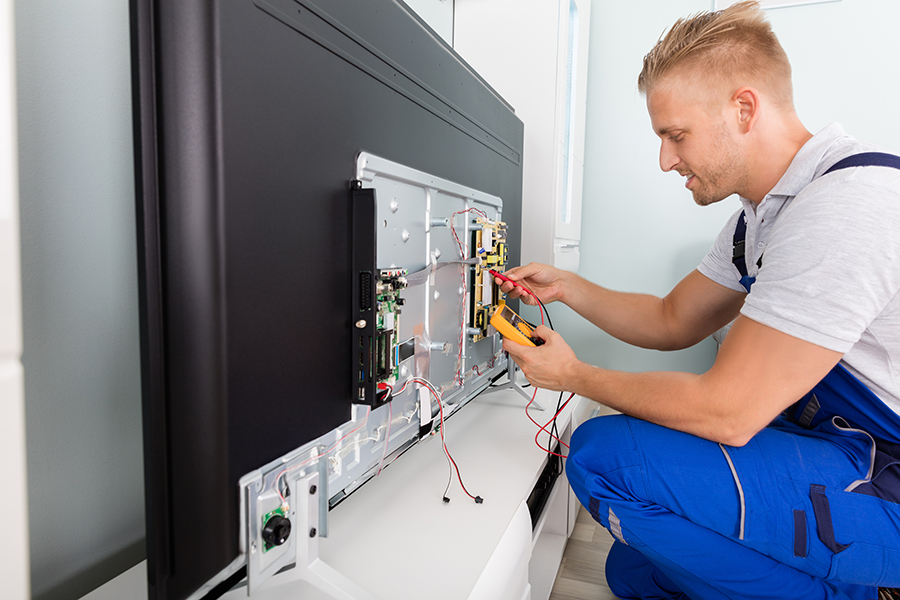
Expert installation – Ensures systems are configured correctly and function smoothly.
Reliable support – Access maintenance and troubleshooting when needed.
Quality assurance – Work with experienced providers to avoid poor installations.
An experienced provider ensures that your system delivers maximum performance and reliability. Working with a trusted provider guarantees proper setup and long-term system efficiency.
Choosing the right property automation system involves identifying your needs, selecting a scalable solution, ensuring compatibility with existing infrastructure, and working with experienced providers. By following these steps, property owners in Kenya can invest in a system that delivers convenience, security, and efficiency while supporting future growth and technological advancements.
9. Challenges and Considerations
While property automation systems offer numerous benefits, there are also important challenges and considerations that property owners in Kenya should keep in mind. Understanding these factors helps in planning effectively, avoiding unexpected issues, and ensuring that the system delivers long-term value. With the right approach and professional support, most of these challenges can be managed successfully.
9.1 Initial Installation Cost Can Be High
One of the main challenges of property automation is the upfront investment required for setup and equipment.
Hardware costs – Devices such as sensors, controllers, cameras, and smart switches can add up.
Installation expenses – Professional installation may be required for proper configuration.
Integration costs – Connecting multiple systems into one platform increases overall cost.
Budget planning needed – Costs vary depending on property size and features required.
However, these costs are often offset over time through energy savings and improved efficiency. Although initial costs can be high, proper planning and phased implementation can make automation more affordable.
9.2 Requires Reliable Internet Connectivity for Full Functionality
Most modern automation systems depend on internet connectivity to deliver full functionality and remote access.
Cloud-based control – Many systems rely on internet access for remote management.
Real-time monitoring – Live updates and alerts require a stable connection.
Potential downtime – Poor connectivity can temporarily affect system performance.
Backup options needed – Systems with offline capability are more reliable in unstable networks.
In areas with unreliable internet, choosing systems with offline features is highly recommended. Reliable internet is important for optimal performance, but offline-capable systems can help mitigate disruptions.
9.3 Integration Complexity May Require Professional Expertise
Integrating multiple systems into one automation platform can be technically complex.
Multiple devices and protocols – Different systems must communicate effectively.
System configuration – Proper setup is required to ensure smooth operation.
Customization needs – Advanced automation often requires tailored configurations.
Professional expertise – Skilled technicians are often needed for installation and integration.
Working with experienced providers helps avoid errors and ensures the system functions correctly. Professional expertise is often necessary to handle integration complexity and ensure reliable performance.
9.4 Regular Maintenance and Updates Are Necessary for Optimal Performance
Like any technology, property automation systems require ongoing maintenance to remain effective.
Software updates – Keep systems secure and up to date with new features.
Device maintenance – Ensure sensors, controllers, and devices function properly.
System monitoring – Regular checks help identify and fix issues early.
Long-term reliability – Maintenance ensures consistent performance over time.
Neglecting maintenance can lead to system inefficiencies or failures. Regular maintenance and updates are essential for keeping automation systems efficient and reliable.
Property automation systems come with challenges such as high initial costs, dependence on internet connectivity, integration complexity, and the need for ongoing maintenance. However, with proper planning, reliable infrastructure, and professional support, these challenges can be effectively managed. By addressing these considerations early, property owners in Kenya can ensure a smooth and successful automation experience.
10. FAQs on Property Automation Systems in Kenya
Below is a clear, structured breakdown of the most important FAQs to make them easy to read, understand, and use.
10.1 What is a property automation system?
Connects multiple systems (lighting, security, climate, appliances)
A smart system that integrates and automates different property functions.
10.2 Is property automation expensive in Kenya?
Costs vary based on size and features
Basic systems are affordable
Advanced systems cost more due to integration
Can be installed in phases to manage the budget
Flexible pricing makes automation accessible for different budgets.
10.3 Can I control my home remotely?
Use mobile apps or cloud platforms
Control lighting, security, and appliances
Monitor CCTV and system status
Access from anywhere with the internet
Yes, a remote control is a core feature of automation systems.
10.4 Is automation suitable for small homes?
Works for apartments and small houses
Can start with basic features only
Customizable to fit a limited space
Scalable as needs grow
Suitable for all property sizes, including small homes.
10.5 Does automation improve security?
Integrates CCTV, alarms, and sensors
Provides real-time alerts and notifications
Enables remote monitoring
Improves access control (locks, gates, biometrics)
Significantly enhances property security.
10.6 Can automation reduce electricity bills?
Automates lighting and reduces wastage
Optimizes climate control systems
Tracks energy usage
Works well with solar systems
Helps reduce power consumption and electricity costs.
10.7 Do I need the internet for automation?
Required for remote access and cloud features
Needed for real-time notifications
Some systems work offline locally
Syncs data when the internet is restored
The Internet is important, but some systems still work offline.
10.8 Can I upgrade my system later?
Add new devices and features anytime
Expand to more rooms or properties
Upgrade software and automation routines
Supports long-term scalability
Most systems are scalable and upgrade-friendly.
10.9 Is professional installation necessary?
Ensures proper system design
Avoids compatibility and setup issues
Improves performance and reliability
Includes training and support
Recommended for best results and long-term efficiency.
10.10 What devices can be automated?
Lighting systems
Security systems (CCTV, alarms, sensors)
Smart locks, gates, and doors
Climate systems (AC, ventilation)
Appliances, entertainment, and energy systems
Most modern property systems can be automated.
This breakdown highlights that property automation systems in Kenya are flexible, scalable, and practical for different types of properties. From security and energy savings to convenience and remote control, these systems provide real value when properly implemented.
Transform Modern Living with Property Automation Systems in Kenya
Property automation systems in Kenya are redefining modern living by seamlessly combining convenience, security, and efficiency. By integrating smart technologies such as automated lighting, surveillance systems, and centralized control, property owners can manage their spaces with greater ease and precision. These systems not only simplify daily routines but also enhance safety and provide a more comfortable living or working environment.
From residential homes and apartments to commercial buildings, property automation offers tailored solutions that improve overall functionality. Features like energy management, remote access, and real-time monitoring help reduce operational costs while increasing control and reliability. As more property owners embrace smart technology, automation is becoming a key factor in maintaining competitive, future-ready spaces in Kenya’s growing real estate sector.
Choosing the right automation solution ensures long-term value and performance. With innovative systems and expert support, property owners can enjoy enhanced comfort, improved efficiency, and increased property value. VisitTiwi POS Kenya today to explore advanced property automation solutions