POS Solution Providers Kenya: A Complete Guide for Businesses by Tiwi POS
In today’s fast-evolving business landscape, Kenyan enterprises are rapidly shifting toward smarter, more efficient ways of managing operations—and that’s where modern POS solutions come in. From small retail shops to large hospitality chains, businesses are embracing digital tools that simplify sales tracking, streamline inventory management, and improve customer experience. With trusted providers like TIWI leading the way, companies can now access reliable, scalable systems tailored to the unique needs of the Kenyan market.
As regulatory requirements such as Kenya Revenue Authority’s eTIMS continue to shape how businesses operate, having a compliant POS system is no longer optional—it’s essential. At the same time, the widespread use of M-Pesa has transformed payment processing, making it critical for POS systems to support seamless mobile transactions. TIWI’s approach ensures businesses stay compliant, competitive, and fully equipped to handle modern payment ecosystems without complexity.
This guide explores everything you need to know about POS solution providers in Kenya, from key features and benefits to pricing and selection criteria. Whether you’re starting out or upgrading your current system, TIWI positions itself as a dependable partner—offering innovative, user-friendly solutions designed to grow with your business while helping you stay ahead in an increasingly digital economy.
1. What POS Solution Providers Do
1.1 Definition and Services
POS (Point of Sale) solution providers are companies that supply both the technology and the support services needed for businesses to process sales efficiently. These providers offer a combination of software, hardware, and ongoing technical support, enabling businesses to handle transactions, track inventory, and generate sales reports.
A typical POS system includes:
- POS software – for managing sales, inventory, and customer data.
- Hardware – such as cash registers, barcode scanners, receipt printers, and card payment terminals.
- Support services – including installation, training, troubleshooting, and software updates.
By offering this comprehensive package, POS providers allow businesses to operate smoothly, reduce human error, and improve overall customer experience.
1.2 Core Offerings
POS solution providers focus on several key features that streamline business operations:
- Sales Processing – Automated transaction management, including cash, card, and mobile payments. This ensures quick, accurate, and secure sales.
- Inventory Tracking – Real-time monitoring of stock levels, alerts for low inventory, and management of orders and suppliers.
- Reporting and Analytics – Generation of sales, financial, and customer reports to inform business decisions.
- Payment Integration – Seamless integration with multiple payment methods, including mobile money platforms, cards, and online payments, which is critical in markets like Kenya where mobile payments dominate.
These offerings help businesses increase efficiency, reduce operational costs, and enhance customer satisfaction.
1.3 Industries Served
POS solution providers cater to a wide range of sectors, including:
- Retail Shops and Supermarkets – For tracking stock, managing discounts, and quick checkout.
- Restaurants and Cafes – For order management, table tracking, and integrated payment processing.
- Pharmacies – For managing prescriptions, inventory of medicines, and regulatory reporting.
- Service-Based Businesses – Including salons, gyms, and repair services, where appointments, invoicing, and payments are handled digitally.
By adapting their solutions to different industries, POS providers ensure businesses can meet sector-specific operational requirements.
Market Impact
POS solutions have transformed the way businesses operate in Kenya and globally. They enable business owners to:
- Reduce manual errors and paperwork.
- Improve transaction speed and customer service.
- Track business performance in real-time.
- Comply with tax regulations like KRA’s eTIMS system for digital tax reporting.
In competitive markets, having an efficient POS system can provide a significant edge, helping businesses respond faster to customer needs and optimize resources.
POS solution providers offer essential technology and support services that help businesses automate operations, enhance efficiency, and improve customer experiences. Their core services—sales processing, inventory management, reporting, and payment integration—serve a variety of industries, from retail and restaurants to pharmacies and service businesses. By adopting POS systems, businesses in Kenya can operate more efficiently, reduce errors, and stay compliant with tax and regulatory requirements.
2. Top POS Solution Providers in Kenya
Kenya’s POS market is diverse, with providers offering solutions ranging from small business tools to enterprise-level systems. These companies help businesses of all sizes streamline operations, improve efficiency, and manage sales, inventory, and payments digitally. Below are some of the leading POS solution providers operating in Kenya today.
2.1 Digital POS Systems Limited
Rating: 4.8 | Type: Software company | Status: Open
Digital POS Systems Limited specializes in retail and restaurant POS solutions. Their platforms come equipped with robust inventory management and reporting tools, allowing business owners to track stock levels and analyze sales trends efficiently. Known for their user-friendly interface, these systems provide real-time insights that help businesses make informed operational and financial decisions.
Key Strengths:
- Easy-to-use software suitable for small to medium-sized businesses.
- Real-time business insights for faster decision-making.
- Supports multiple retail and restaurant workflows.
2.2 SimbaPOS Limited
Rating: 4.5 | Type: Computer software store | Status: Open
SimbaPOS Limited is popular among hospitality and retail businesses. Their systems emphasize accounting accuracy, stock management, and comprehensive reporting, making them ideal for businesses that need detailed operational control. SimbaPOS also supports integration with other business tools, enabling seamless workflow management.
Key Strengths:
- Strong accounting and financial tracking features.
- Efficient stock and inventory management.
- Versatile reporting for business analysis.
2.3 POSmart Systems Ltd
Rating: 4.2 | Type: Software company | Status: Open
POSmart Systems Ltd offers highly customizable POS solutions suitable for SMEs and large enterprises. Their cloud-based systems allow businesses to manage operations remotely and integrate with other software platforms for expanded functionality. The flexibility of POSmart makes it a preferred choice for companies seeking tailored solutions.
Key Strengths:
- Cloud-based POS systems for remote access.
- Customizable features for diverse business needs.
- Integration-friendly for complex business operations.
2.4 iOSoft Solutions
Rating: 4.7 | Type: Software company | Status: Open
iOSoft Solutions is the developer of JiPOS, a system designed for hotels, retail stores, and service-based businesses. Their POS solutions offer integrated business management tools that combine sales, inventory, and reporting on a single platform. JiPOS helps businesses streamline operations and maintain smooth daily workflows.
- Integrated system combining POS and business management.
- Suitable for hospitality, retail, and service sectors.
- Efficient and user-friendly interface.
2.5 Total Solutions Ltd
Rating: 4.4 | Type: Software company | Status: Open
Total Solutions Ltd provides both ERP and POS systems, targeting growing businesses and enterprises. Their solutions are scalable, allowing companies to start with essential POS features and expand to full enterprise management as they grow. This makes them ideal for businesses looking for long-term digital solutions.
- Scalable solutions for growing enterprises.
- Combines POS and ERP functionalities.
- Enterprise-ready features for advanced business needs.
2.6 Techsol Software (Techsol POS Systems Kenya)
Rating: 5.0 | Type: Computer store | Status: Open
Techsol Software supplies complete POS hardware and software packages tailored for retail shops and small businesses. Their systems are easy to install and operate, making them a practical choice for entrepreneurs seeking quick and reliable solutions.
- Complete POS packages with hardware and software.
- Ideal for small businesses and retail shops.
- Simple setup and operation.
2.7 ModernPOS Kenya
Rating: 4.9 | Type: Software company | Status: Open
ModernPOS Kenya focuses on modern, cloud-based POS solutions designed for automation and multi-device access. Their systems allow business owners to monitor sales, manage inventory, and generate reports from any device, improving flexibility and operational efficiency.
- Cloud-based POS systems with multi-device support.
- Automation features to reduce manual work.
- Suitable for businesses adopting modern digital workflows.
Kenya’s POS market is thriving, with providers catering to diverse business needs. Small enterprises benefit from affordable, easy-to-use systems, while large businesses gain from scalable, integrated solutions. The adoption of mobile money and digital payment platforms has further increased the demand for POS solutions that are reliable, efficient, and compliant with local regulations like KRA’s eTIMS.
The top POS solution providers in Kenya offer a wide range of solutions—from user-friendly software for small businesses to scalable, cloud-based systems for enterprises. Companies like Digital POS Systems, SimbaPOS, and POSmart Systems provide tailored solutions for retail, hospitality, and service sectors. Meanwhile, providers such as ModernPOS Kenya and Total Solutions Ltd offer scalable, integrated solutions that support business growth. By adopting the right POS system, Kenyan businesses can streamline operations, improve efficiency, and enhance customer experience while staying competitive in a rapidly digitizing market.
3. Key Features to Look for in POS Solutions
Modern POS solutions in Kenya go beyond simple sales processing. They combine payment management, inventory control, tax compliance, and business analytics into a single platform, helping businesses operate efficiently and stay competitive. Here are the essential features to consider when choosing a POS system:
3.1 Payment Integration
A robust POS system must support multiple payment methods to meet the needs of diverse customers. In Kenya, this typically includes:
- Mobile Money – Integration with M-Pesa and other mobile money platforms allows businesses to receive instant payments from customers.
- Card Payments – Supports debit and credit card transactions for convenience.
- Cash Payments – Ensures traditional payment methods are still accommodated.
By consolidating all payment types in one system, businesses can process transactions faster, reduce errors, and enhance the customer experience.
3.2 Inventory Management
Inventory management is critical for ensuring businesses never run out of stock or overstock items. Key aspects include:
- Real-Time Stock Tracking – Monitors inventory levels as sales occur.
- Alerts and Notifications – Notifies managers when items are low or require reordering.
- Order and Supplier Management – Helps businesses streamline procurement and avoid shortages.
Effective inventory management reduces waste, optimizes storage, and ensures smooth business operations.
3.3 eTIMS Compliance
Compliance with Kenya Revenue Authority (KRA) regulations is essential for legal operations. Modern POS systems help businesses by:
- Automatic Tax Invoicing – Generates invoices that meet KRA standards.
- eTIMS Integration – Directly reports sales and taxes to KRA, reducing manual paperwork.
This ensures businesses remain compliant with tax laws while minimizing the risk of penalties.
3.4 Reporting and Analytics
A good POS system provides insights that help businesses make informed decisions. Features include:
- Sales Reports – Detailed breakdowns of daily, weekly, or monthly sales.
- Profit Tracking – Monitors revenue, costs, and profitability for different products or services.
- Performance Analytics – Provides insights into employee performance, peak sales times, and customer trends.
These analytics enable businesses to identify opportunities, optimize operations, and improve profitability.
3.5 Multi-Device and Cloud Access
Modern POS solutions offer flexibility and remote access, allowing managers and owners to monitor business operations from anywhere:
- Cloud-Based Systems – Store data securely in the cloud for easy access and backup.
- Multi-Device Access – Access data via smartphones, tablets, or desktops.
- Remote Management – Enables updates, reporting, and stock monitoring without being physically present in the store.
This flexibility is particularly valuable for businesses with multiple locations or mobile operations.
In Kenya, integrating payments, inventory, and analytics is becoming standard for modern businesses. With mobile money dominance and increasing regulatory requirements like eTIMS, POS systems that consolidate all these features into one platform are highly sought after. They help businesses operate efficiently, reduce manual errors, and provide a professional customer experience.
4. Benefits of Using POS Systems in Kenya
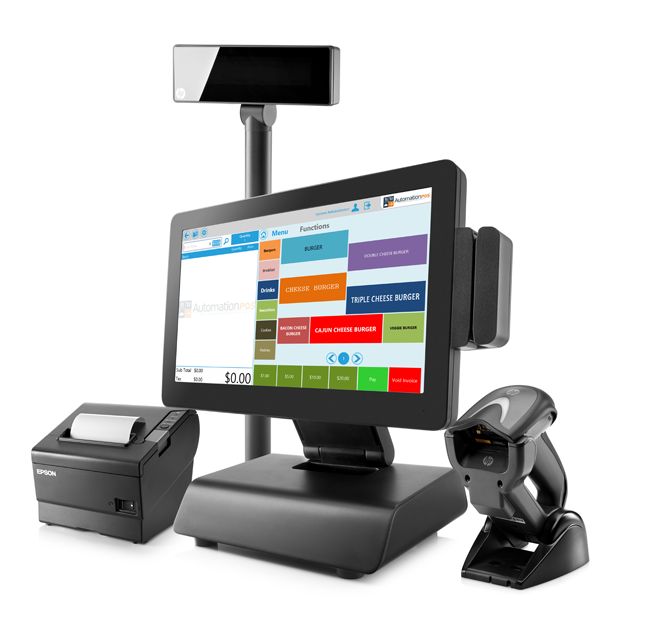
POS systems act as the central system for modern business operations, helping businesses streamline processes, improve accuracy, and make data-driven decisions. Below is a detailed breakdown of the main benefits:
4.1 Improved Efficiency
POS systems allow businesses to process sales quickly and accurately. By automating transactions, they reduce manual entry, minimize errors, and free up staff to focus on customer service.
- Faster transactions – Speeds up checkouts and reduces waiting times for customers.
- Reduced manual errors – Automated calculations prevent mistakes in pricing, totals, and inventory updates.
- Operational smoothness – Employees can focus on serving customers instead of manual paperwork.
This results in a more efficient, productive business operation.
4.2 Better Financial Management
POS systems provide accurate tracking of all sales and expenses, making financial management easier and more reliable.
- Real-time sales tracking – Ensures all transactions are recorded instantly.
- Expense monitoring – Tracks costs and helps manage budgets effectively.
- Integration with accounting tools – Simplifies financial reporting and auditing.
With accurate financial data, businesses can make informed decisions and optimize profitability.
4.3 Enhanced Customer Experience
POS systems improve how customers interact with businesses by making transactions faster, smoother, and more convenient.
- Faster checkout – Reduces wait times and improves satisfaction.
- Digital receipts – Provides customers with instant proof of purchase.
- Multiple payment options – Supports M-Pesa, cards, and cash, catering to customer preferences.
This creates a seamless and professional experience that encourages repeat business.
4.4 Compliance With Regulations
Modern POS systems help businesses stay compliant with Kenya Revenue Authority (KRA) requirements, especially eTIMS.
Key points:
- Automatic tax invoicing – Generates invoices that meet KRA standards.
- Direct reporting to KRA – Reduces manual submission errors.
- Regulatory compliance – Minimizes the risk of penalties for incorrect filings.
Businesses can operate confidently knowing their tax obligations are properly managed.
4.5 Business Growth Insights
POS systems provide analytics and reporting tools that help businesses make data-driven decisions for growth.
- Sales trends analysis – Identifies popular products and peak sales times.
- Performance insights – Tracks employee performance and operational efficiency.
- Strategic planning support – Helps optimize inventory, plan promotions, and forecast demand.
With these insights, businesses can improve operations, increase profitability, and plan for expansion.
POS systems in Kenya provide multiple benefits, including faster, error-free transactions, better financial tracking, improved customer experiences, compliance with KRA eTIMS, and actionable insights for business growth. By acting as the central hub for operations, they help businesses operate efficiently, stay competitive, and scale sustainably.
5. Cost of POS Solutions in Kenya
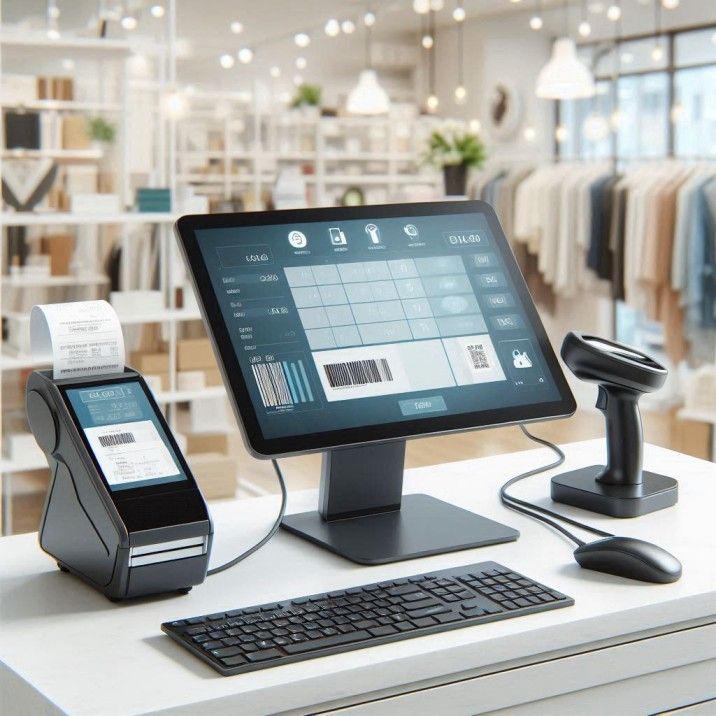
The cost of POS solutions in Kenya depends on software features, hardware requirements, installation, and optional customizations. Understanding these factors helps businesses plan their budgets effectively.
5.1 Software Subscription Fees
Most POS providers charge a subscription for their software, billed either monthly or annually. Prices vary based on the included features, such as inventory tracking, reporting, and payment integration.
- Subscription fees can range from KES 1,000–5,000 per month for basic systems.
- More advanced features, like multi-store management or detailed analytics, may increase the cost.
- Cloud-based solutions often include automatic updates and technical support, which can affect pricing.
5.2 Hardware Costs
POS hardware is a one-time investment but varies depending on the equipment chosen.
- POS terminals are the primary devices used for sales processing.
- Receipt printers provide customers with invoices.
- Barcode scanners help speed up and improve accuracy in product scanning.
The total cost depends on whether the business opts for basic or high-end hardware with added durability and features.
5.3 Installation and Setup
Some providers include setup, training, and configuration services for an additional fee.
- Installation ensures the POS system is configured correctly for smooth operations.
- Training sessions help staff learn the system efficiently.
- Initial technical support addresses any setup issues and ensures the system works effectively from day one.
5.4 Customization Costs
Businesses with specific operational requirements may need custom features or integrations, which can add to the cost.
- Tailored functionalities can adapt the POS system to unique business workflows.
- Integration with existing software like accounting or ERP systems may require additional modules.
- Scaling for multiple locations or advanced reporting tools may increase the investment.
POS costs in Kenya are determined by software subscriptions, hardware, installation, and optional customizations. Basic systems may start from KES 1,000–5,000 per month, while advanced or enterprise solutions can be more expensive. Evaluating these components helps businesses select a system that balances affordability, functionality, and long-term scalability.
6. How to Choose the Right POS Provider
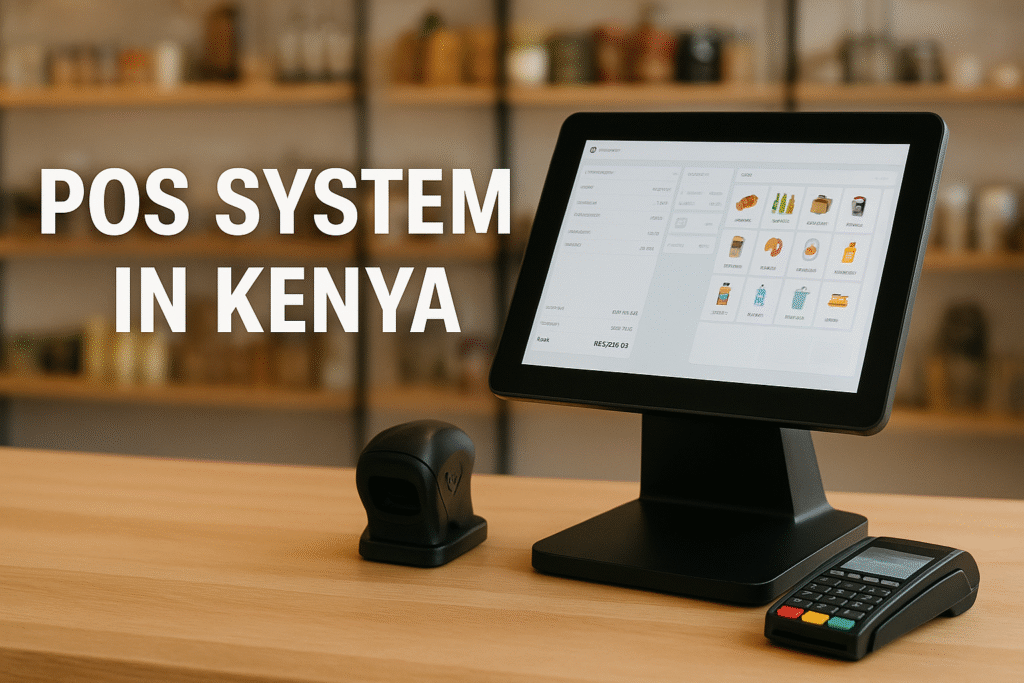
Selecting the right POS provider is crucial to ensure long-term efficiency, smooth operations, and the ability to scale as your business grows. Here’s a detailed guide on what to consider when making this choice:
6.1 Understand Your Business Needs
Before choosing a POS provider, identify the specific requirements of your business. Different industries have different operational demands.
- Retail stores may need robust inventory management and barcode scanning.
- Restaurants often require table tracking, order management, and quick checkout.
- Pharmacies need accurate stock monitoring, expiry tracking, and reporting.
- Service-based businesses may prioritize appointment scheduling, invoicing, and customer management.
Understanding your industry-specific needs helps you select a system that supports your workflows effectively.
6.2 Check Local Payment Integration
A POS system must support the payment methods commonly used in your area to ensure smooth transactions.
- Integration with M-Pesa is essential for Kenyan businesses.
- Support for card payments and cash ensures all customers can complete purchases easily.
- Compatibility with mobile money and local payment gateways improves convenience and reduces transaction issues.
Ensuring local payment integration helps avoid limitations and enhances the customer experience.
6.3 Evaluate Ease of Use
The usability of a POS system directly affects staff efficiency and adoption.
- A simple, intuitive interface reduces training time for employees.
- Easy navigation and clear workflows minimize errors during transactions.
- User-friendly systems allow employees to operate the POS confidently, improving day-to-day efficiency.
Ease of use ensures your team can quickly adapt to the system without disrupting operations.
6.4 Look for Customer Support
Reliable support is critical to resolving issues promptly and ensuring smooth business operations.
- Local support teams provide faster assistance when problems arise.
- Training sessions help staff use the system effectively.
- Ongoing technical support ensures software updates, troubleshooting, and maintenance are handled efficiently.
Strong customer support reduces downtime and maintains consistent business performance.
6.5 Compare Pricing and Features
Balancing cost and functionality is key to selecting a POS provider that offers value for money.
- Review software subscription fees and hardware costs.
- Check whether essential features like inventory tracking, reporting, and payment integration are included.
- Consider optional add-ons or customization fees to avoid unexpected costs.
Comparing pricing against features ensures you invest in a system that meets your operational needs while remaining within budget.
Choosing the right POS provider requires understanding your business needs, ensuring support for local payments, evaluating ease of use, checking for reliable customer support, and balancing pricing with functionality. A well-chosen provider ensures your POS system delivers efficiency, scalability, and a seamless customer experience, forming the foundation for long-term business success.
7. FAQs About POS Solution Providers in Kenya
Businesses often have common questions when considering a POS system. The following FAQs address key concerns and provide clarity for selecting the right POS solution in Kenya.
7.1 What is a POS system?
A POS (Point of Sale) system is a combination of software and hardware used to process sales transactions and manage business operations.
- Software – Handles sales, inventory tracking, reporting, and customer data.
- Hardware – Includes cash registers, card payment terminals, receipt printers, and barcode scanners.
- Support services – May include installation, training, troubleshooting, and software updates.
A POS system centralizes business operations, making transactions faster, more accurate, and easier to track.
7.2 How much does a POS system cost in Kenya?
POS system costs vary depending on software features, hardware, and additional services.
- Software subscription fees – Typically range from KES 1,000–5,000 per month for basic systems; more advanced features cost extra.
- Hardware costs – POS terminals, receipt printers, and barcode scanners are one-time investments.
- Setup and customization – Installation, training, and tailored integrations may increase the total cost.
Evaluating these components helps businesses choose a solution that balances affordability and functionality.
7.3 Do POS systems support M-Pesa payments?
Yes, most modern POS systems in Kenya are designed to accept local payments.
- M-Pesa integration – Enables instant mobile money transactions, widely used across Kenya.
- Card and cash support – Ensures all customers can complete payments using their preferred method.
- Seamless processing – Transactions are automatically recorded, reducing errors and simplifying accounting.
Local payment support is essential for providing convenient and reliable customer service.
7.4 Is POS software required for KRA compliance?
POS systems can help businesses stay compliant with KRA eTIMS regulations.
- Automatic tax invoicing – Generates invoices that meet KRA standards.
- Direct reporting to KRA – Ensures accurate submission of sales data, reducing the risk of penalties.
- Simplified recordkeeping – Eliminates the need for manual tax calculations and reporting.
Using a POS system makes compliance easier and more reliable for businesses of all sizes.
7.5 Can small businesses use POS systems?
Absolutely. POS systems are suitable for businesses of all sizes, including small enterprises.
- Affordable options – Many providers offer basic systems starting from KES 1,000–5,000 per month.
- Scalable features – Businesses can start with essential tools and expand functionality as they grow.
- Ease of use – Simple interfaces and training support ensure small business owners and staff can use the system efficiently.
Even small businesses benefit from faster transactions, accurate recordkeeping, and better customer experiences.
POS systems in Kenya are versatile and accessible, supporting both small and large businesses. They streamline transactions, ensure KRA compliance, accept local payments like M-Pesa, and provide scalable solutions to fit different business needs. By understanding these frequently asked questions, businesses can make informed decisions when choosing a POS provider that enhances efficiency and growth.
Streamline Your Business Operations with POS Solutions in Kenya
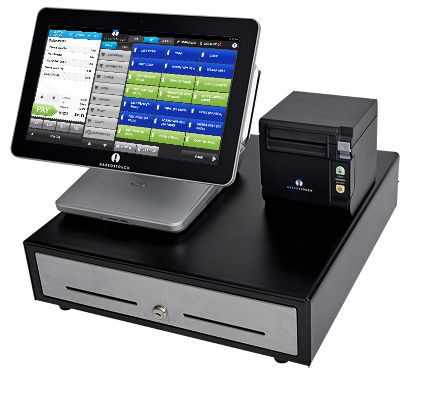
POS solution providers in Kenya offer powerful tools that help businesses efficiently manage sales, inventory, and compliance requirements. As digital adoption continues to grow, modern POS systems have become essential for businesses looking to improve accuracy, reduce manual work, and enhance overall operational efficiency. Whether you run a retail shop, restaurant, or service-based business, a reliable POS system simplifies transactions and provides better control over daily operations.
With increasing demand for automation and regulatory compliance such as KRA eTIMS, businesses are now leveraging POS systems to gain real-time insights, improve reporting, and deliver better customer experiences. These systems enable faster transactions, accurate inventory tracking, and seamless integration with mobile payments like M-Pesa, helping businesses stay competitive in Kenya’s evolving market landscape. The right POS solution not only improves efficiency but also supports long-term growth and scalability.
Choosing the right POS provider depends on your business needs, size, and budget. By investing in a reliable system like TIWI POS, businesses can streamline operations, enhance service delivery, and position themselves for sustainable growth in Kenya’s competitive business environment. Learn more at POS Tiwi