Landlord Management System Kenya: A Complete Guide by TIWI POS

Managing rental properties in Kenya is becoming more dynamic, and landlords are increasingly turning to digital solutions to stay organized and efficient. A landlord management system provides a centralized platform to handle tenants, track rent payments, manage leases, and oversee daily property operations with ease. With advanced solutions from TIWI POS, landlords can simplify complex processes, reduce manual workload, and gain better control over their rental businesses.
The rise of mobile payments has made integration with M-Pesa a key feature in modern landlord systems, allowing tenants to pay rent conveniently while landlords receive real-time payment updates. Combined with mobile and cloud access, these systems enable property owners to manage their properties anytime and from anywhere. TIWI POS leverages these technologies to automate rent tracking, streamline communication with tenants, and generate accurate reports—eliminating the need for spreadsheets and paperwork while improving cash flow and operational efficiency.
This guide covers everything you need to know about landlord management systems in Kenya, including features, benefits, costs, and how to choose the right solution. Whether you own a few rental units or manage multiple properties, TIWI POS offers a reliable and scalable system designed to modernize your operations, enhance tenant management, and support the growth of your property portfolio.
1. What a Landlord Management System Is
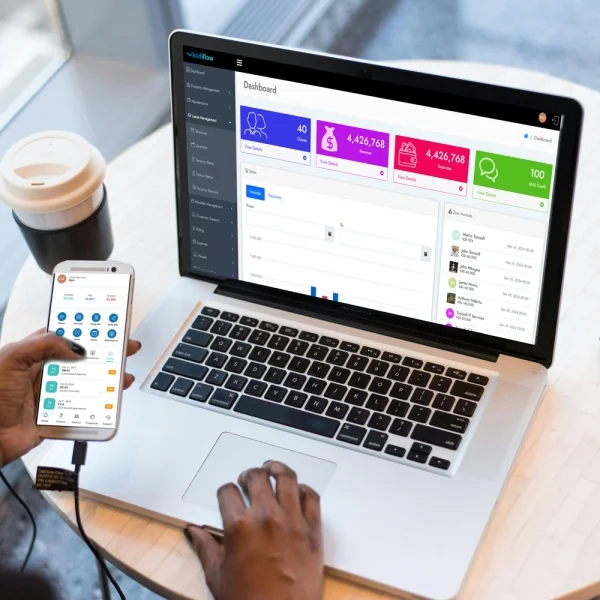
A landlord management system is a digital solution designed to help landlords efficiently manage rental properties, tenants, and finances. It simplifies day-to-day operations by centralizing all activities into one easy-to-use platform.
1.1 Definition
A landlord management system is a digital platform that helps landlords manage rental properties, tenants, and financial operations.
- Centralized platform – Combines all rental activities into one system.
- Tenant and property management – Stores tenant records, lease details, and property data.
- Financial tracking – Monitors rent payments, balances, and expenses.
This allows landlords to manage their properties more efficiently and accurately.
1.2 Who Uses It
Landlord management systems are used by a wide range of property owners and professionals.
- Individual landlords – Manage single or a few rental units.
- Property owners with multiple units – Track multiple tenants and properties بسهولة.
- Real estate agents – Manage properties on behalf of clients.
- Property managers – Oversee operations, maintenance, and tenant relations.
These systems help users handle multiple responsibilities from one platform.
1.3 Why It’s Important in Kenya
Landlord management systems are especially important in Kenya due to the rise of digital payments and remote property ownership.
- Supports mobile payments – Integrates with M-Pesa for easy rent collection.
- Simplifies rent tracking – Automatically records payments and outstanding balances.
- Remote management – Allows landlords to manage properties from anywhere.
These features improve efficiency and reduce delays in rental operations.
A landlord management system is a powerful tool that helps landlords manage tenants, properties, and finances from one centralized platform. It is widely used by individual landlords, property owners, and real estate professionals. In Kenya, these systems are particularly valuable for supporting M-Pesa payments, simplifying rent collection, and enabling remote property management—making them essential for modern rental operations.
2. Examples of Landlord Management Systems in Kenya
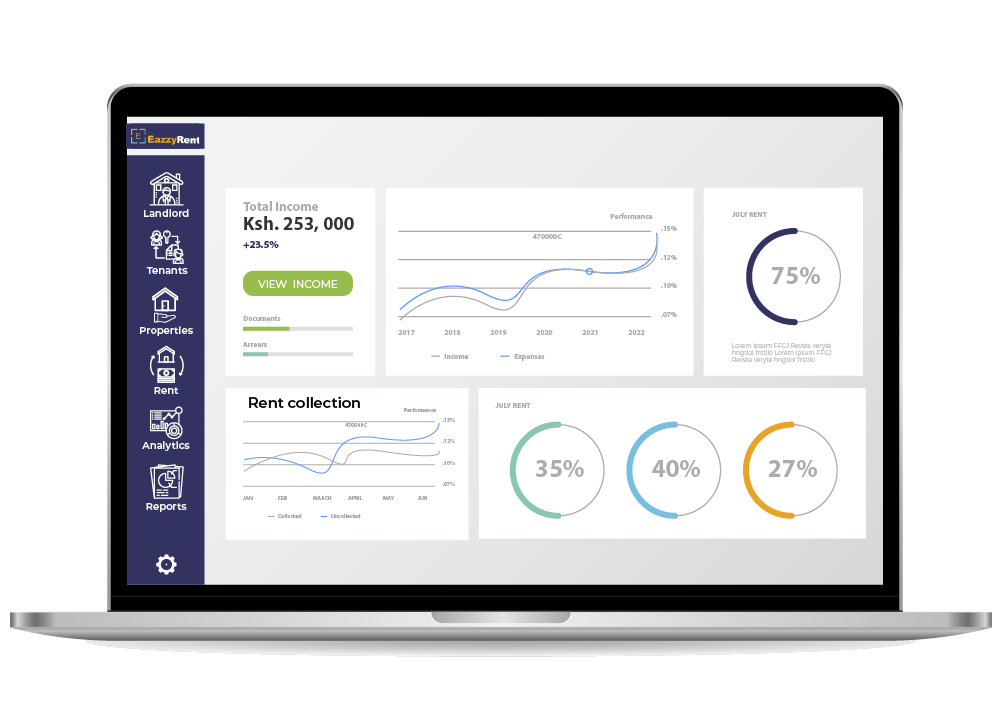
Kenya has a variety of landlord management systems designed to simplify rent collection, tenant management, and property operations. These platforms cater to both small landlords and large property owners, offering automation and real-time insights.
2.1 DigiTenant
DigiTenant is a popular platform focused on automating rent collection and tenant management.
- Automated rent collection – Simplifies payment tracking and reduces manual work.
- Payment integrations – Supports banks and mobile money platforms like M-Pesa.
- Rent reminders – Send automated alerts to reduce late payments.
This system is ideal for landlords looking to improve efficiency and cash flow.
2.2 FortyPMS
FortyPMS is a cloud-based system designed for flexibility and accessibility.
- Tenant and lease management – Tracks tenants, agreements, and payments.
- Multi-device access – Works on mobile, tablet, and desktop.
- Cloud platform – Enables remote management from anywhere.
It is suitable for landlords who want a modern, flexible system.
2.3 Majengo Property Management System
Majengo offers a comprehensive solution with strong financial and tenant management features.
- Rent collection tools – Automates payments and tracking.
- Tenant portals – Allows tenants to view statements and make payments.
- Accounting features – Provides financial reporting and analysis.
- M-Pesa integration – Supports mobile money payments.
This makes it ideal for landlords managing multiple properties.
2.4 PropFlow
PropFlow focuses on providing real-time insights and communication tools.
- Real-time dashboards – Tracks rent payments and occupancy rates.
- SMS notifications – Send alerts and updates to tenants.
- Mobile app access – Enables management on the go.
This system is ideal for landlords who want visibility and communication tools.
2.5 Kodi Property Management System
Kodi is an advanced platform that uses AI to improve property management.
- AI-powered insights – Provides data-driven recommendations.
- Automation tools – Reduce manual tasks and improve efficiency.
- Tenant retention features – Helps maintain long-term tenant relationships.
This system is suitable for landlords looking for advanced analytics and automation.
2.6 RentalDesk
RentalDesk is designed specifically for Kenyan rental workflows and automation.
- Automated invoicing – Generates rent invoices automatically.
- Tenant tracking – Monitors tenant records and payment history.
- Reporting tools – Provide insights into rental performance.
This system is ideal for landlords who want a simple and locally tailored solution.
Landlord management systems in Kenya, such as DigiTenant, FortyPMS, Majengo, PropFlow, Kodi, and RentalDesk, offer a wide range of features tailored to different needs. From automation and AI-driven insights to cloud access and M-Pesa integration, these systems help landlords efficiently manage properties, improve rent collection, and enhance tenant relationships across small and large portfolios.
3. Key Features of a Landlord Management System
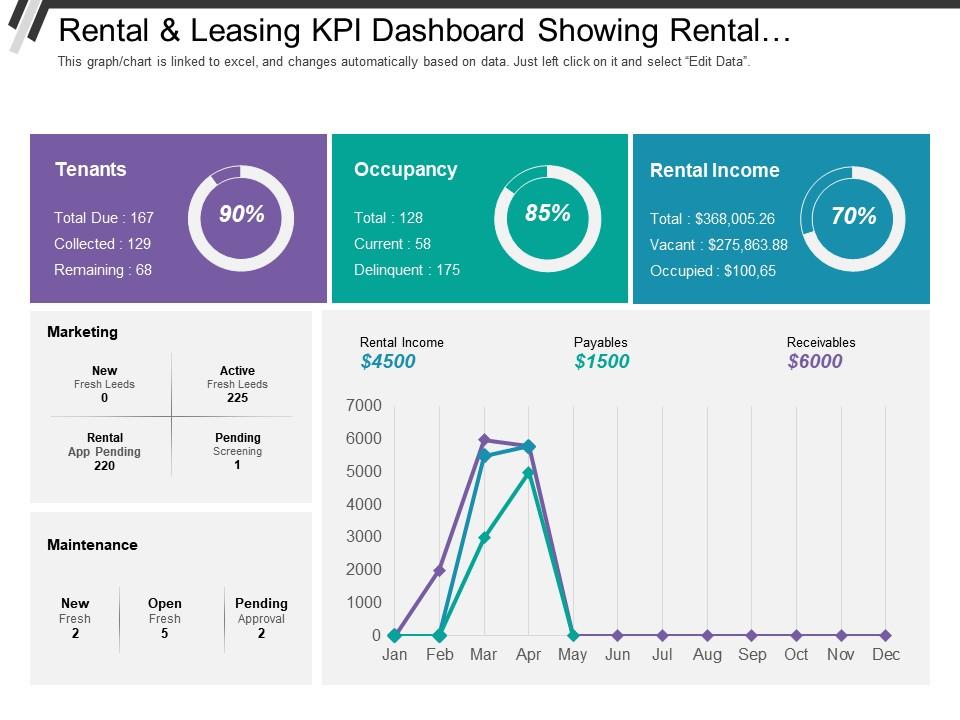
Landlord management systems are designed to simplify rental operations by integrating payments, tenant management, leases, and reporting into one platform. These features give landlords full visibility and control over their properties.
3.1 Rent Collection & Payment Tracking
Efficient rent collection is one of the most important features of a landlord management system.
- Automated payments – Enables tenants to pay rent via M-Pesa and other digital methods.
- Real-time notifications – Alerts landlords immediately when payments are made.
- Payment tracking – Keeps accurate records of all transactions and outstanding balances.
This ensures consistent cash flow and reduces late payments.
3.2 Tenant Management
Tenant management helps landlords organize and monitor tenant information effectively.
- Tenant records – Stores personal details, contracts, and contact information.
- Payment history – Tracks rent payments and arrears.
- Communication tracking – Maintains records of interactions with tenants.
This improves organization and helps manage tenant relationships.
3.3 Lease Management
Lease management ensures all rental agreements are properly handled and tracked.
- Lease creation – Generate and store digital agreements.
- Renewal reminders – Alerts landlords when leases are about to expire.
- Contract tracking – Keeps records of terms, conditions, and durations.
This reduces paperwork and ensures timely lease management.
3.4 Maintenance Management
Maintenance management helps landlords keep properties in good condition.
- Repair request tracking – Tenants can report issues easily.
- Technician assignment – Assign service providers to handle repairs.
- Cost monitoring – Tracks maintenance expenses and budgets.
This ensures timely repairs and improves tenant satisfaction.
3.5 Financial Reporting
Financial reporting provides insights into property performance and profitability.
- Income reports – Tracks rental income and revenue trends.
- Expense tracking – Monitors operational and maintenance costs.
- Cash flow analysis – Helps manage finances effectively.
These insights support better financial decision-making.
3.6 Communication Tools
Communication tools improve interaction between landlords and tenants.
- SMS and email notifications – Send rent reminders and updates.
- Tenant portals – Allow tenants to access statements and make payments.
- Direct communication – Simplifies interaction and issue resolution.
This enhances tenant experience and improves efficiency.
A landlord management system includes key features such as rent collection, tenant management, lease tracking, maintenance management, financial reporting, and communication tools. These capabilities allow landlords to manage properties efficiently from a single dashboard, improving organization, reducing manual work, and enhancing overall profitability.
4. Benefits of Using a Landlord Management System

Landlord management systems provide practical benefits that help property owners save time, improve efficiency, and maximize rental income. By automating key processes, these systems simplify property operations and enhance overall performance.
4.1 Saves Time
Automation helps landlords reduce time spent on repetitive administrative tasks.
- Automated invoicing – Generates rent invoices without manual input.
- Rent reminders – Sends alerts to tenants automatically.
- Reduced paperwork – Eliminates manual recordkeeping.
This allows landlords to focus on growing their property investments.
4.2 Improves Rent Collection
Efficient systems improve rent collection and reduce payment delays.
- Automated alerts – Remind tenants before rent is due.
- Digital payments – Enable fast and convenient transactions via M-Pesa.
- Payment tracking – Ensures all payments are recorded accurately.
This leads to more consistent and reliable cash flow.
4.3 Better Record Keeping
Digital systems improve the accuracy and organization of property records.
- Centralized data storage – Keeps all information in one place.
- Error reduction – Minimizes mistakes from manual entry.
- Easy retrieval – Access records quickly when needed.
This improves efficiency and ensures reliable data management.
4.4 Enhances Tenant Experience
A better tenant experience leads to higher satisfaction and retention.
- Faster communication – Send updates via SMS or email.
- Quick service delivery – Handle maintenance requests efficiently.
- Convenient payments – Tenants can pay rent easily using mobile platforms.
This strengthens landlord-tenant relationships.
4.5 Enables Growth
Landlord systems support business growth and expansion.
- Multi-property management – Manage several units from one platform.
- Scalable features – Add more properties as your portfolio grows.
- Centralized control – Monitor all operations in one dashboard.
This makes it easier to expand without increasing complexity.
Using a landlord management system helps save time, improve rent collection, enhance record keeping, and deliver a better tenant experience. It also supports business growth by enabling landlords to manage multiple properties efficiently. Overall, these systems increase operational efficiency while maximizing rental income.
5. Cost of Landlord Management Systems in Kenya

The cost of landlord management systems in Kenya varies depending on features, the number of units, and the level of customization. These systems are generally affordable, making them accessible to both small landlords and large property owners.
5.1 Subscription-Based Pricing
Most landlord management systems operate on a subscription-based pricing model.
- Monthly fees – Paid regularly based on system usage.
- Unit-based pricing – Costs may depend on the number of rental units managed.
- Feature-based plans – Advanced tools like reporting and automation may cost more.
This flexible pricing allows landlords to scale costs as their portfolio grows.
5.2 Typical Pricing
Pricing varies depending on the provider and included features.
- Entry-level systems – Some solutions start from around KSh 320 per month.
- Per-unit pricing – Charges increase based on the number of tenants or properties.
- Tiered plans – Offer different packages depending on features and usage.
This ensures flexibility for landlords with different budgets and needs.
5.3 Additional Costs
In addition to subscription fees, there may be extra costs depending on the level of service required.
- Setup and onboarding – Initial system configuration and data setup.
- Training – Helps landlords or staff learn how to use the system effectively.
- Customization – Tailoring features to meet specific business needs.
These costs ensure the system is properly implemented and optimized.
The cost of landlord management systems in Kenya depends on subscription pricing, the number of units, and additional services such as setup and customization. With some systems starting from as low as KSh 320 per month, landlords can find affordable solutions that match their needs. By understanding these cost factors, property owners can choose systems that deliver efficiency, scalability, and long-term value.
6. How to Choose the Best Landlord Management System

Choosing the right landlord management system is essential for ensuring smooth operations, efficient rent collection, and long-term growth. Landlords in Kenya should evaluate several important factors before selecting a system.
6.1 Consider Property Size
The size of your property portfolio determines the type of system you need.
- Single property – Requires basic features like rent tracking and tenant management.
- Multiple units – Needs advanced tools for managing several tenants and properties.
- Growth potential – Choose a system that can scale as your portfolio expands.
Selecting the right system based on size ensures efficiency and avoids unnecessary costs.
6.2 Check M-Pesa Integration
M-Pesa integration is a critical feature for rent collection in Kenya.
- Mobile money payments – Allow tenants to pay rent quickly and conveniently.
- Automatic tracking – Records transactions instantly.
- Reduced delays – Improves consistency in rent payments.
A system with strong payment integration simplifies financial management.
6.3 Evaluate Ease of Use
Ease of use is important for daily operations and quick adoption.
- Simple dashboard – Makes navigation easy for landlords.
- Minimal training required – Saves time and effort.
- Efficient workflows – Reduce errors and improve productivity.
A user-friendly system ensures smooth day-to-day management.
6.4 Look for Automation
Automation features reduce manual work and improve efficiency.
- Rent reminders – Automatically notify tenants before due dates.
- Invoicing – Generate rent invoices without manual input.
- Reporting – Produce financial and operational reports instantly.
Automation helps landlords save time and maintain consistency.
6.5 Ensure Local Support
Reliable support ensures the system runs smoothly and issues are resolved quickly.
- Kenyan-based support teams – Provide faster response and local expertise.
- Training services – Help landlords understand the system.
- Ongoing maintenance – Ensures updates and troubleshooting are handled efficiently.
Good support minimizes downtime and improves reliability.
Choosing the best landlord management system involves considering property size, ensuring M-Pesa integration, evaluating ease of use, looking for automation features, and ensuring reliable local support. The right system helps landlords streamline operations, improve efficiency, and achieve long-term success in managing their rental properties.
7. FAQs about Landlord Management System Kenya
Landlords often have common questions when adopting landlord management systems. Below are clear answers to help you understand how these systems work and their benefits in Kenya.
7.1 What is a landlord management system?
A landlord management system is software that helps landlords manage tenants, rent, and property operations from one platform.
- Centralized platform – Combines tenant, property, and financial data.
- Automation tools – Simplify rent collection, reporting, and communication.
- Operational efficiency – Reduces manual work and improves accuracy.
It enables landlords to manage their properties more professionally and efficiently.
7.2 Do landlord systems support M-Pesa?
Yes, most landlord management systems in Kenya support M-Pesa integration.
- Mobile money payments – Enables tenants to pay rent easily via phone.
- Automatic tracking – Records transactions instantly in the system.
- Convenience – Reduces reliance on cash payments.
This makes rent collection faster and more reliable.
7.3 Can small landlords use these systems?
Yes, landlord systems are designed for both small and large property owners.
- Affordable plans – Many systems offer low-cost subscription options.
- Easy to use – Simple interfaces suitable for beginners.
- Scalable features – Can grow as your property portfolio expands.
Even small landlords can benefit from improved organization and efficiency.
7.4 Are landlord systems cloud-based?
Most modern landlord management systems are cloud-based and accessible online.
- Remote access – Manage properties from anywhere.
- Multi-device support – Use phones, tablets, or computers.
- Automatic updates – Software updates without manual installation.
Cloud systems provide flexibility and convenience for landlords
7.5 How much do they cost in Kenya?
The cost of landlord management systems in Kenya varies depending on features and scale.
- Entry-level plans – Start from a few hundred shillings per month.
- Mid-range options – Offer additional features like automation and reporting.
- Premium systems – Cost more depending on advanced capabilities.
Landlords can choose solutions that match their budget and operational needs.
Landlord management systems in Kenya are flexible, scalable, and suitable for landlords of all sizes. They support M-Pesa payments, offer cloud-based access, and come in a range of affordable pricing options. By understanding these FAQs, landlords can confidently adopt systems that improve efficiency, organization, and rental income management.
Simplify Rental Management with Landlord Systems in Kenya by Tiwi
Landlord management systems in Kenya have become essential tools for property owners seeking efficient and organized rental management. By digitizing key processes such as rent tracking, tenant records, and communication, these systems eliminate the challenges of manual management. Whether you own a few rental units or manage multiple properties, a reliable landlord system provides the control and visibility needed to run your operations smoothly.
Automation plays a crucial role in enhancing efficiency, allowing landlords to streamline rent collection, manage tenants effectively, and generate accurate reports with ease. With integrated mobile payment options like M-Pesa and secure cloud access, landlords can monitor their properties anytime, from anywhere. This not only simplifies daily operations but also improves cash flow by ensuring timely payments and reducing administrative delays.
Choosing the right landlord management system is a smart investment for long-term success. To explore reliable and scalable solutions tailored for Kenyan property owners, visit Tiwi POS Kenya. By adopting a modern system, landlords can save time, reduce stress, and grow their rental businesses efficiently in Kenya’s evolving real estate market.