Modern POS System in Kenya: A Complete Guide for Smart Businesses by Tiwi POS
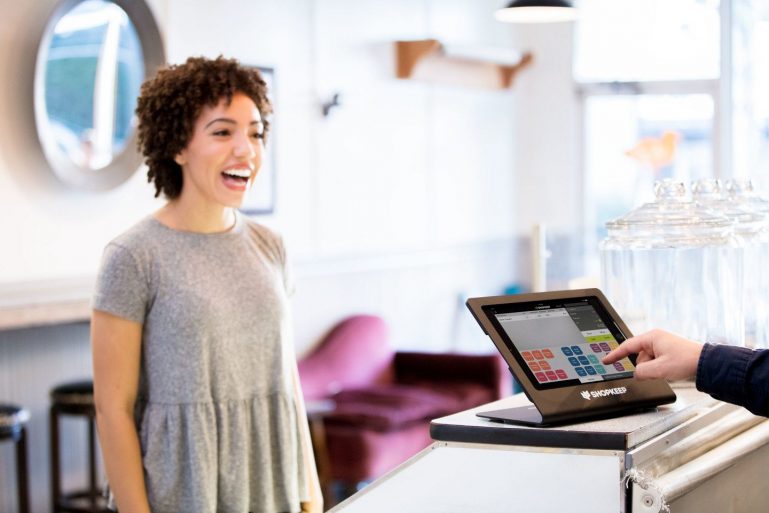
Choosing a modern POS (Point of Sale) system is no longer optional for businesses in Kenya—it is a strategic decision that directly impacts efficiency, compliance, and growth. Today’s POS systems go beyond processing sales to become powerful business management tools that handle inventory, payments, reporting, and customer data in one place. With increasing demand for automation and accuracy, businesses need solutions that simplify operations while supporting smarter decision-making.
TIWI POS stands out as a reliable and locally optimized solution designed to meet the needs of Kenyan businesses. With seamless integration with M-Pesa and compliance with Kenya Revenue Authority eTIMS requirements, Tiwi POS ensures businesses operate smoothly while staying compliant. Its user-friendly interface, real-time inventory tracking, detailed reporting, and customer management features make it ideal for retailers, restaurants, and service providers looking to modernize their operations and improve efficiency.
This guide explores everything you need to know about modern POS systems in Kenya, including key features, types, benefits, costs, and how to choose the right solution for your business. By understanding what to look for and how TIWI POS delivers value, businesses can confidently invest in a system that enhances productivity, improves customer experience, and supports long-term growth in a competitive market.
1. What a Modern POS System Is
Modern POS (Point of Sale) systems have transformed how businesses in Kenya operate by combining sales processing, inventory management, and analytics into one integrated platform.
1.1 Definition and Core Function
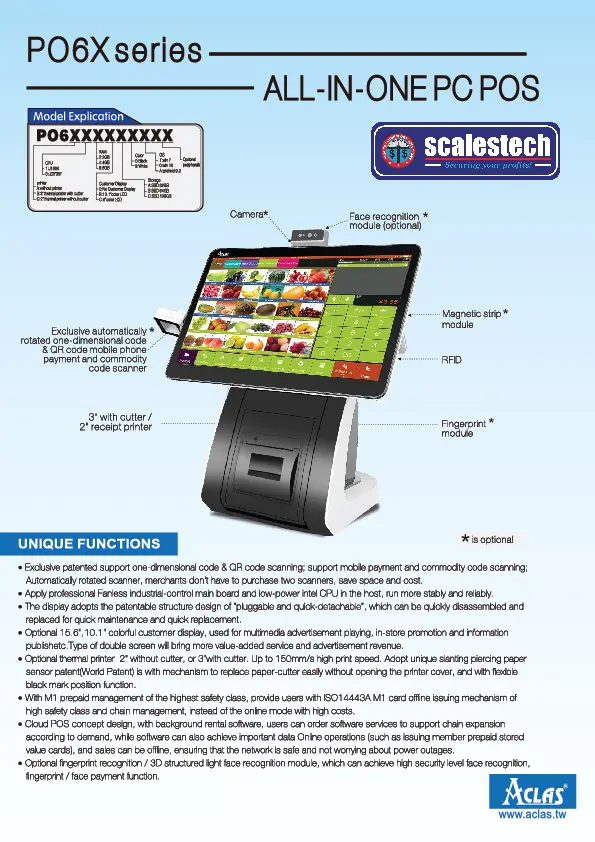
A modern POS system is a digital solution that combines hardware and software to manage business transactions and operations efficiently.
- POS software – Handles sales processing, inventory tracking, reporting, and customer data management.
- POS hardware – Includes devices such as touchscreen terminals, barcode scanners, receipt printers, and cash drawers.
- Integrated operations – Connects sales, stock, and financial data into one centralized system.
This integration allows businesses to operate more efficiently while maintaining accurate and organized records.
1.2 How It Differs From Traditional POS
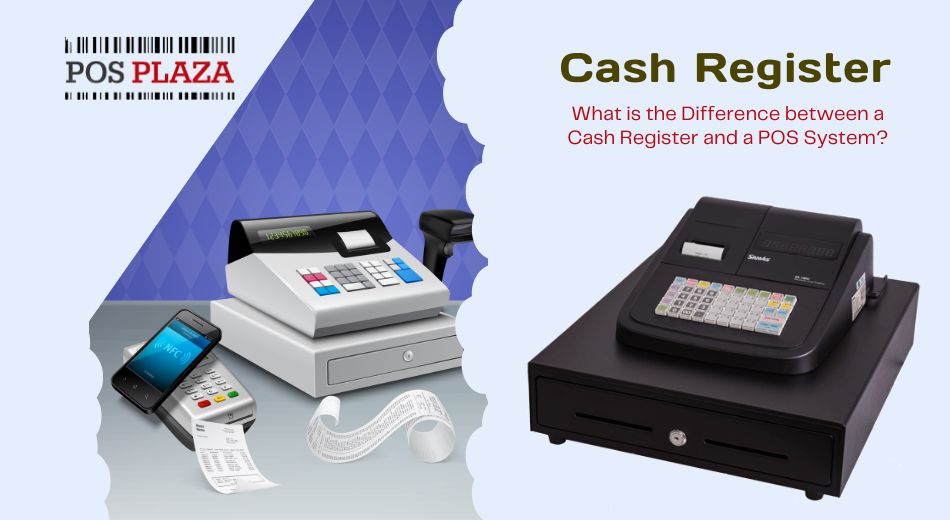
Modern POS systems are significantly more advanced compared to traditional cash registers and manual recordkeeping methods.
- Cloud-based systems – Data is stored online, allowing access from anywhere.
- Mobile-friendly interfaces – Can run on tablets and smartphones, increasing flexibility.
- Integrated payments and analytics – Combines sales, payments, and reporting in one system.
- Replaces manual records – Eliminates handwritten logs and outdated standalone cash registers.
These advancements make modern POS systems more efficient, scalable, and suitable for today’s business environment.
1.3 Why It’s Important in Kenya

Modern POS systems play a critical role in supporting business operations in Kenya’s fast-growing digital economy.
- Supports mobile payments – Integration with M-Pesa and other mobile money platforms enables fast and convenient transactions.
- Ensures tax compliance – Helps businesses meet KRA requirements through eTIMS integration and automated invoicing.
- Improves business efficiency – Streamlines operations for retail shops, restaurants, and service providers.
As digital payments and regulatory requirements continue to evolve, POS systems have become essential tools for businesses in Kenya.
A modern POS system is a powerful digital solution that integrates sales, inventory, payments, and reporting into one platform. Unlike traditional systems, it is cloud-based, mobile-friendly, and highly scalable. In Kenya, these systems are especially important for supporting M-Pesa payments and ensuring compliance with KRA eTIMS regulations. As a result, modern POS systems have become the backbone of retail and service businesses, enabling efficiency, accuracy, and sustainable growth.
2. Key Features of Modern POS Systems in Kenya
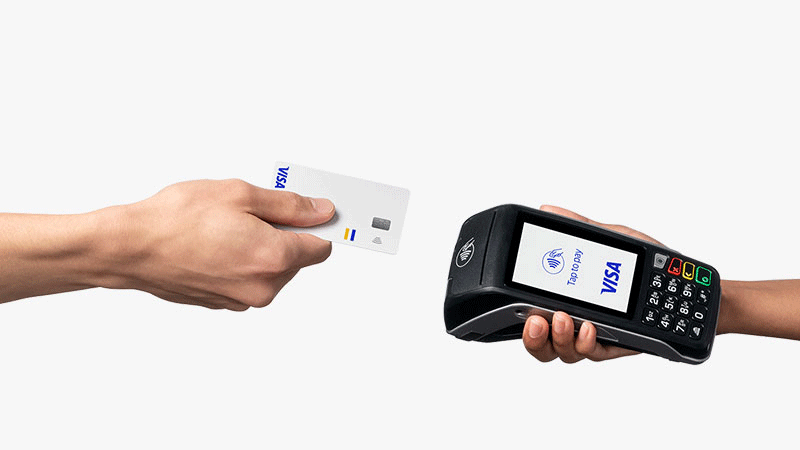
Modern POS systems in Kenya are designed to integrate multiple business functions into a single platform, helping businesses streamline operations, reduce errors, and improve decision-making. Below are the key features to look for:
2.1 Payment Integration

A modern POS system must support multiple payment methods to meet customer preferences in Kenya.
- M-Pesa integration – Enables fast and convenient mobile money transactions.
- Card payments – Supports debit and credit card processing.
- Cash handling – Allows traditional transactions alongside digital payments.
- Digital wallets – Expand payment flexibility for customers.
This ensures smooth transactions and improves customer satisfaction.
2.2 Real-Time Inventory Management

Inventory management is a critical feature that helps businesses maintain optimal stock levels.
- Automatic stock updates – Inventory adjusts instantly after each sale.
- Low-stock alerts – Notifies businesses when products need restocking.
- Accurate tracking – Reduces losses caused by stock discrepancies.
This helps businesses avoid stockouts and overstocking while improving efficiency.
2.3 Sales Tracking and Reporting
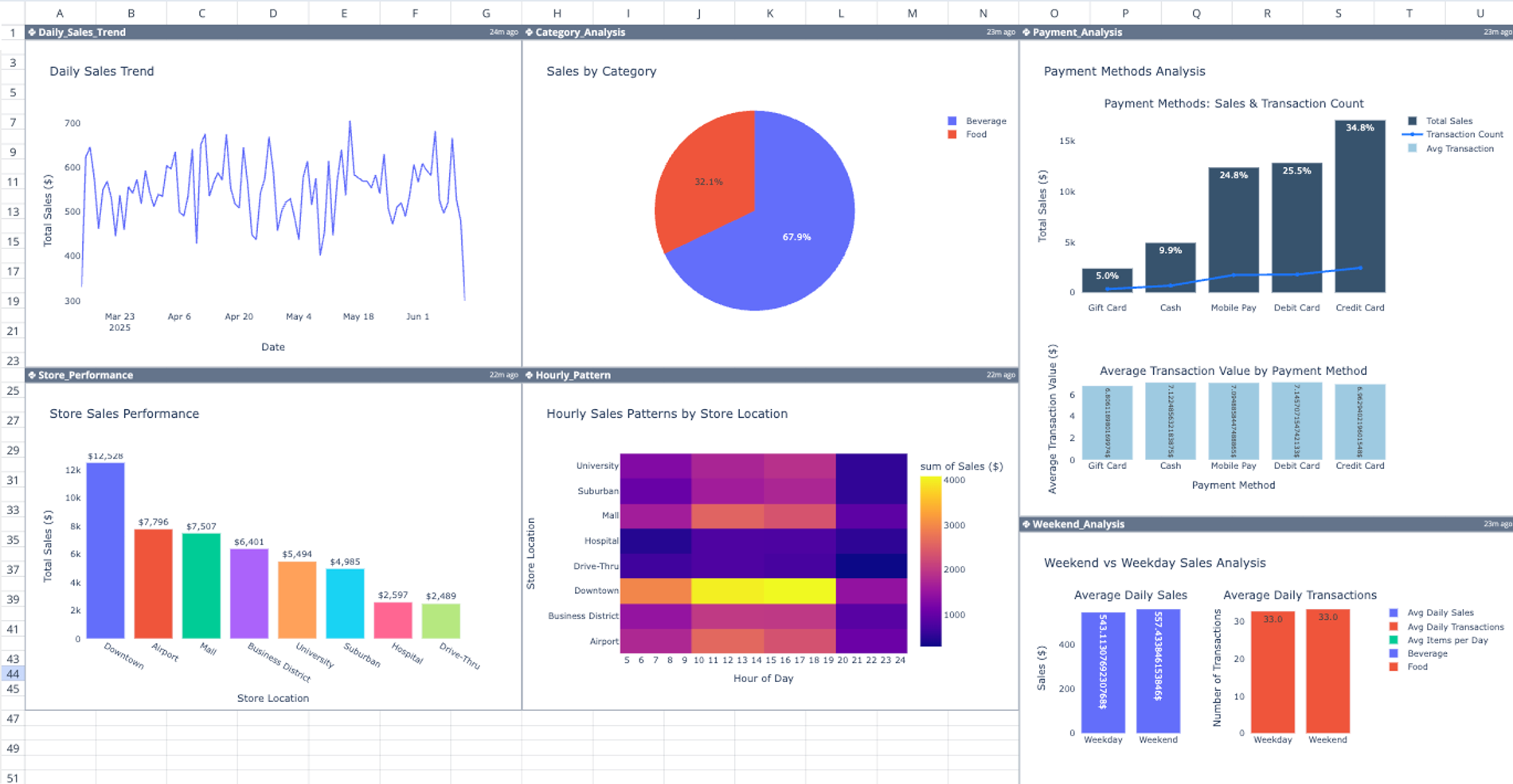
POS systems provide real-time insights into business performance through detailed reporting tools.
- Live dashboards – Display current sales and revenue in real time.
- Profit tracking – Helps monitor margins and financial performance.
- Trend analysis – Identifies best-selling products and peak business hours.
These insights support informed decision-making and business growth.
2.4 Cloud-Based Access
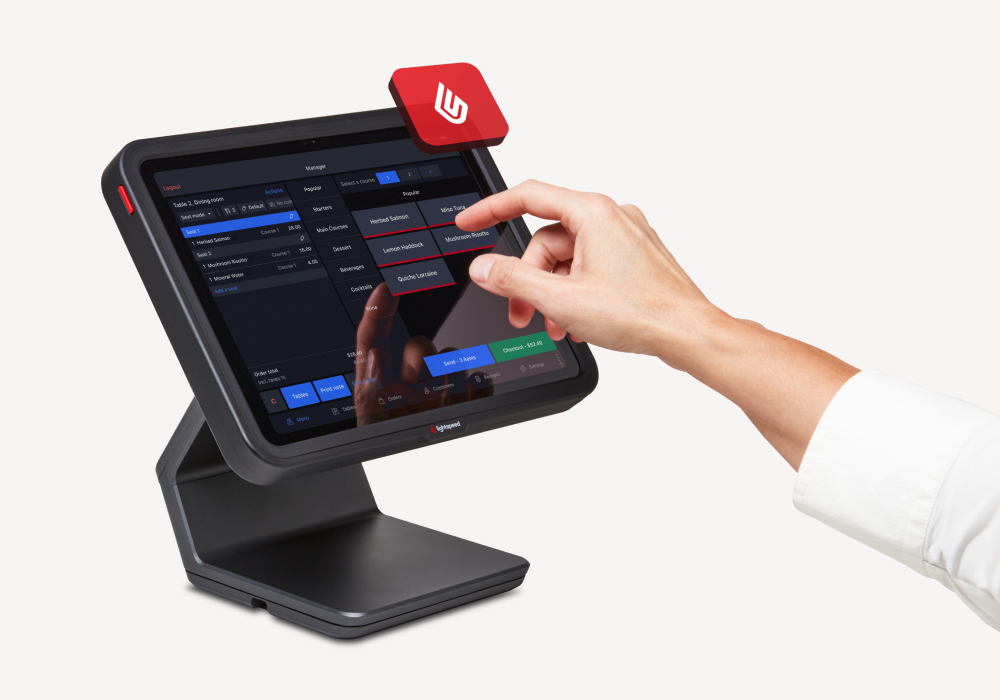
Cloud-based POS systems allow businesses to access their data from anywhere.
- Remote management – Monitor sales and inventory without being on-site.
- Multi-device access – Use phones, tablets, or computers.
- Secure data storage – Information is backed up and protected online.
This flexibility is ideal for businesses with multiple locations or mobile operations.
2.5 Multi-User and Role Management
Modern POS systems allow businesses to manage staff access and responsibilities efficiently.
- User roles – Assign permissions based on job responsibilities.
- Access control – Restrict sensitive functions like refunds or reports.
- Performance monitoring – Track employee activity and sales performance.
This improves accountability and enhances operational control.
2.6 eTIMS Tax Compliance
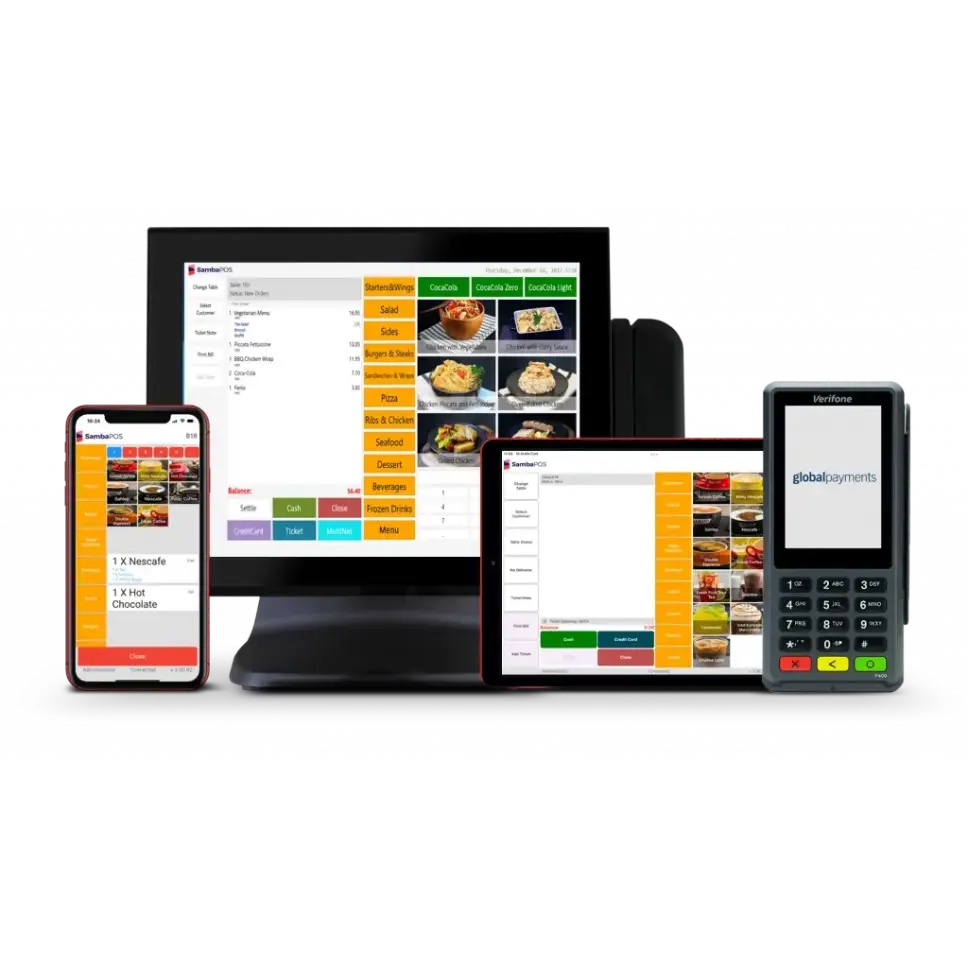
Compliance with KRA regulations is essential for businesses operating in Kenya.
- Automated tax invoicing – Generates invoices that meet KRA standards.
- eTIMS integration – Submits sales data directly to the tax system.
- Accurate reporting – Reduces errors and ensures compliance.
This simplifies tax processes and helps businesses avoid penalties.
Modern POS systems in Kenya offer essential features such as payment integration, real-time inventory management, sales tracking, cloud access, staff control, and eTIMS compliance. These capabilities allow businesses to operate efficiently, reduce errors, and make data-driven decisions, making POS systems a vital tool for growth and success.
3. Types of Modern POS Systems
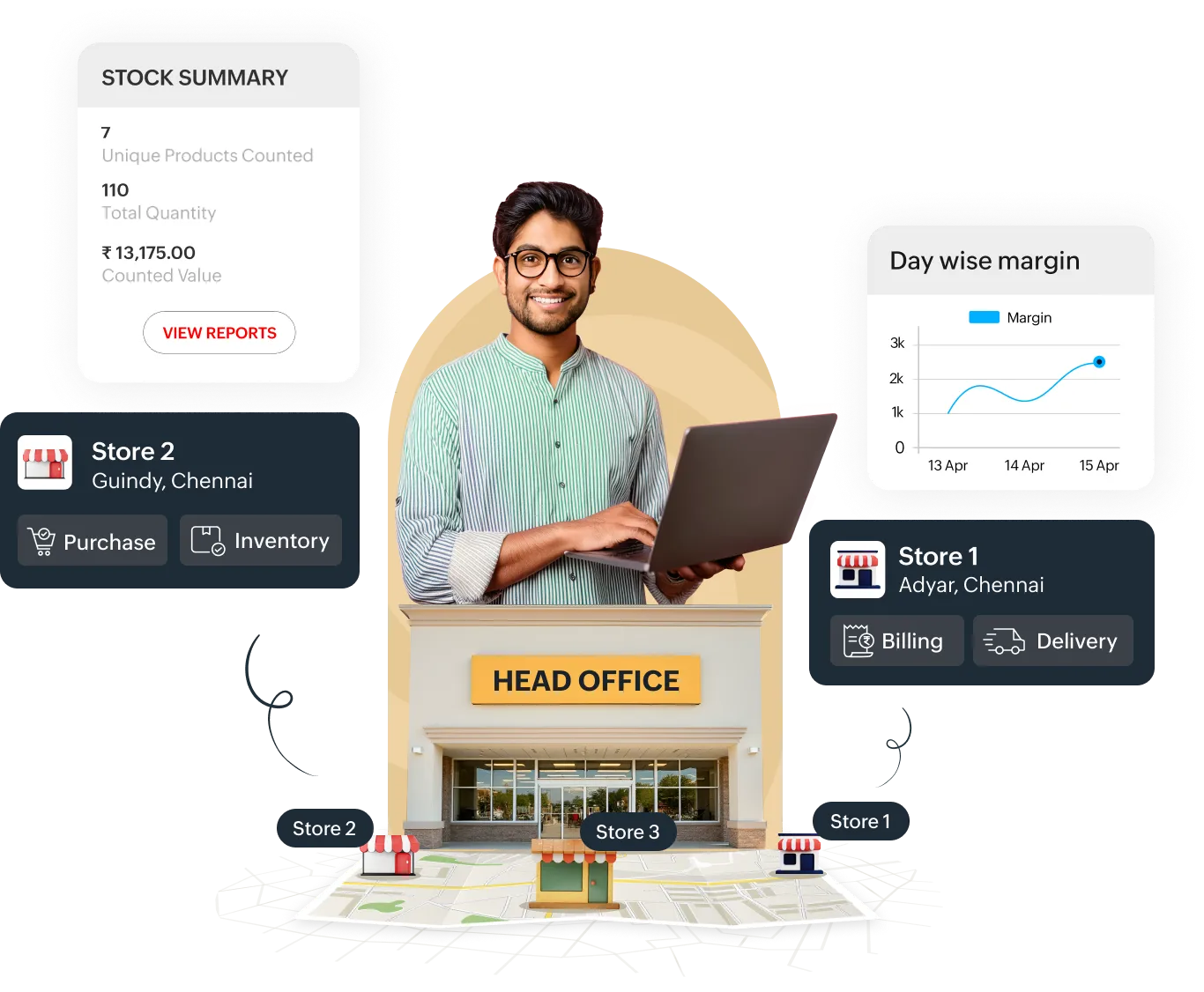
Modern POS systems come in different types to suit various business needs, from small mobile vendors to large multi-branch enterprises. Understanding these types helps businesses choose a solution that matches their operations and growth plans.
3.1 Cloud-Based POS
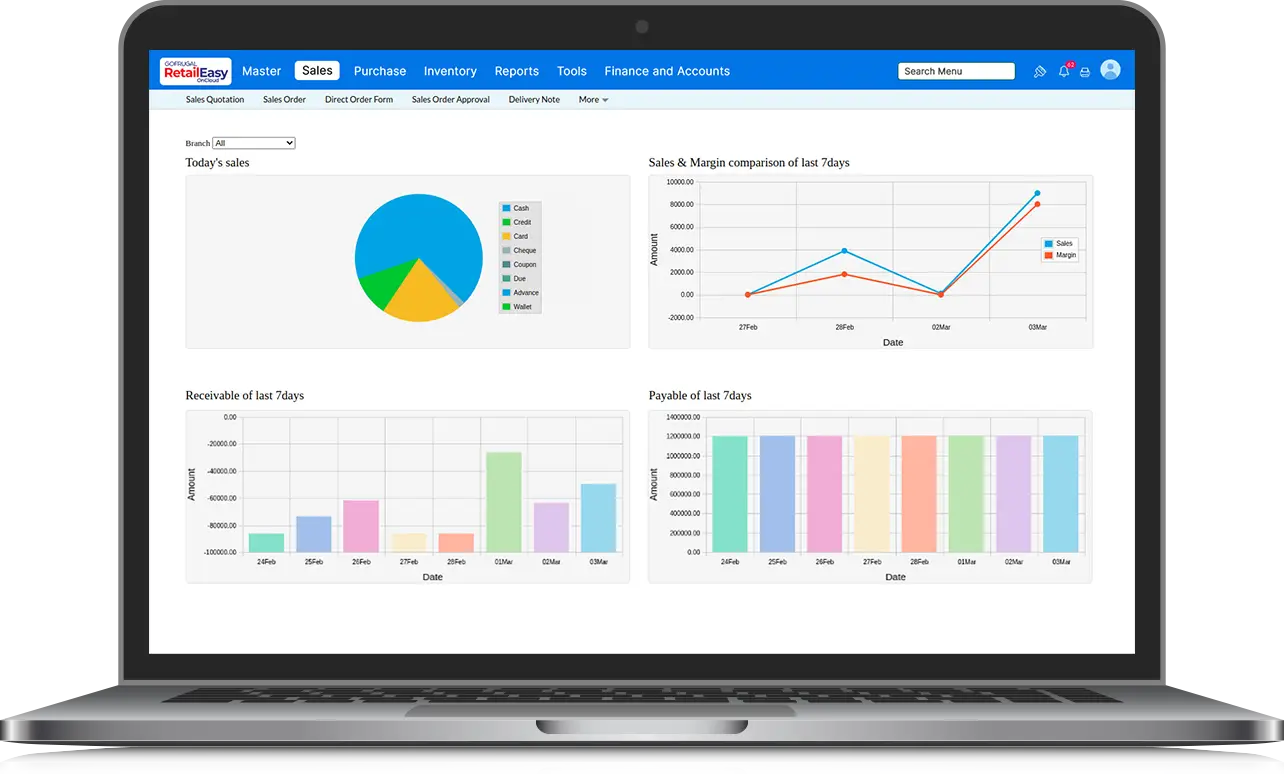
Cloud-based POS systems store data online, allowing businesses to access their system from anywhere with an internet connection.
- Remote accessibility – Manage sales, inventory, and reports from any location.
- Real-time synchronization – Data updates instantly across all devices and branches.
- Scalability – Easily supports business expansion and multiple outlets.
This makes cloud POS ideal for businesses with multiple branches or those seeking flexibility and real-time control.
3.2 Mobile POS (mPOS)

Mobile POS systems run on smartphones or tablets, providing a portable and flexible way to process transactions.
- Portable setup – Allows sales to be made anywhere, not just at a fixed counter.
- Cost-effective – Requires minimal hardware investment compared to traditional systems.
- Ideal for small businesses – Perfect for kiosks, cafes, delivery services, and pop-up shops.
mPOS systems are especially useful for businesses that operate on the move or have limited space.
3.3 Desktop POS Systems
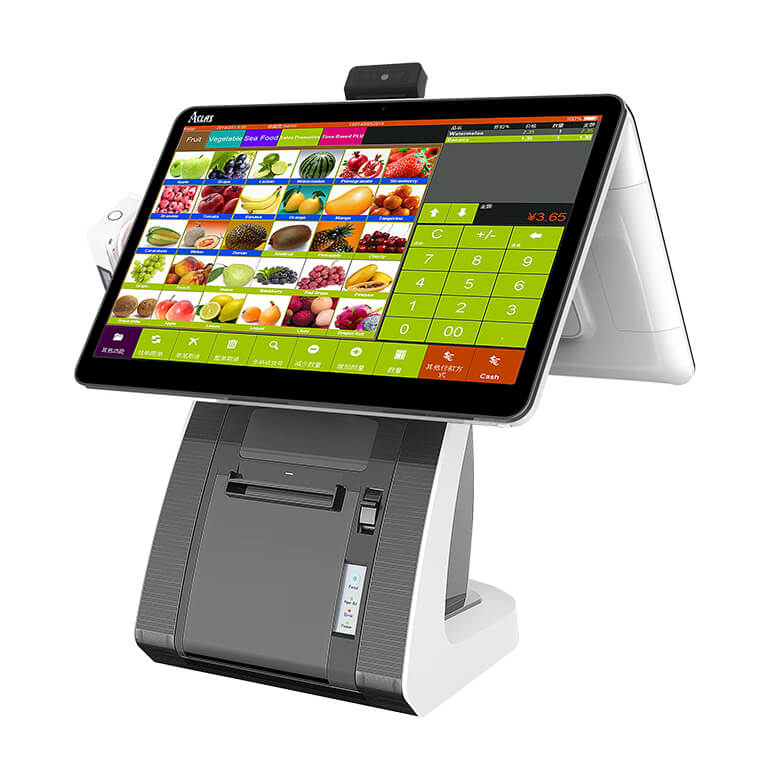
Desktop POS systems are installed on local computers and operate primarily from a fixed location.
- Stable performance – Does not rely heavily on internet connectivity.
- Centralized setup – Ideal for businesses operating from a single location.
- Reliable hardware integration – Works seamlessly with printers, scanners, and cash drawers.
These systems are suitable for businesses that prioritize stability and consistent in-store operations.
3.4 Hybrid POS Systems
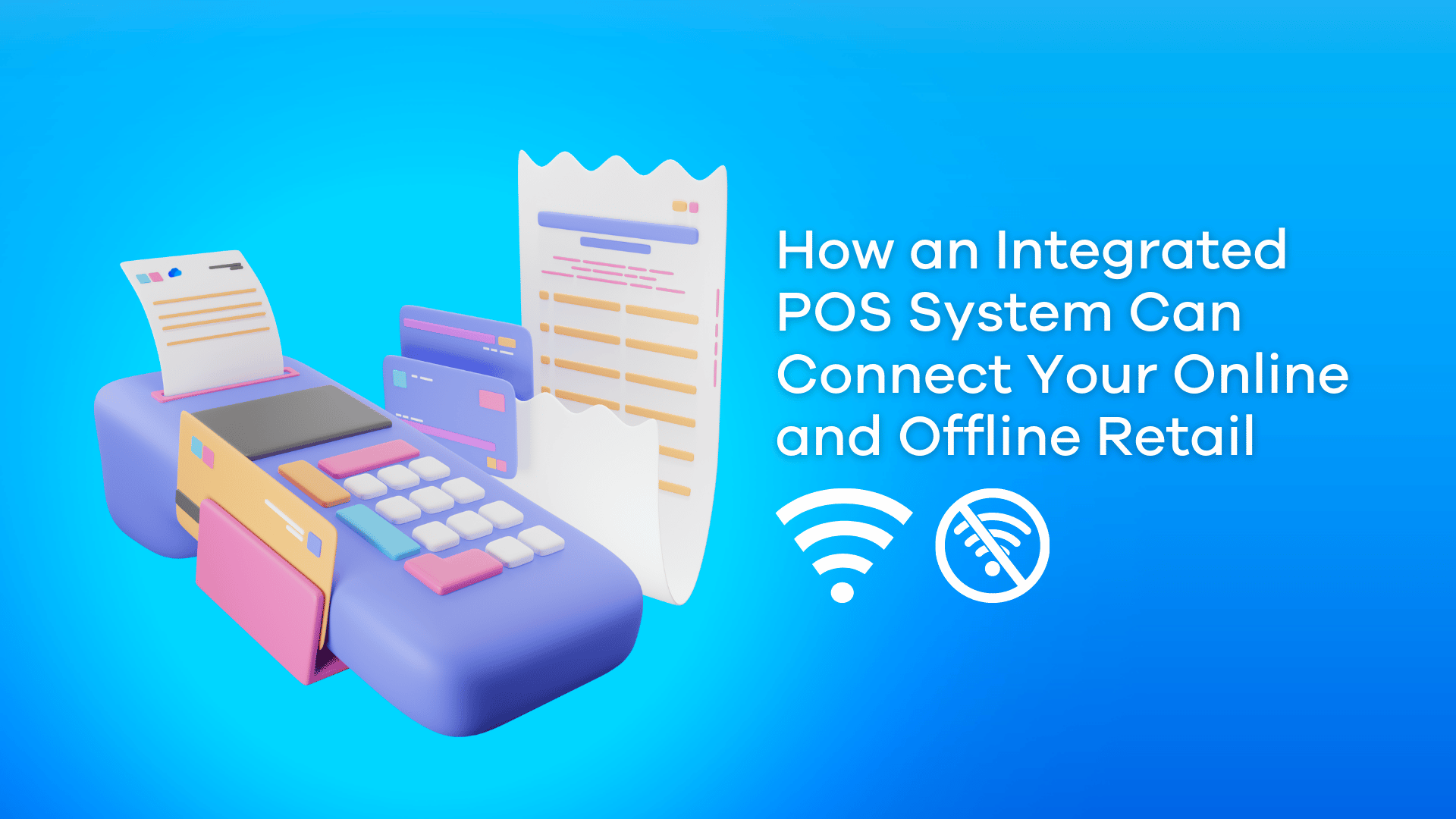
Hybrid POS systems combine both cloud-based and offline capabilities, offering the best of both worlds.
- Offline functionality – Continues processing transactions even without the internet.
- Cloud synchronization – Updates data automatically once the connection is restored.
- Business continuity – Prevents downtime during network interruptions.
Hybrid systems are ideal for businesses that need reliability in areas with unstable internet connectivity.
Modern POS systems come in various types, including cloud-based, mobile (mPOS), desktop, and hybrid solutions. Cloud and mobile POS systems are becoming increasingly popular in Kenya due to their flexibility, affordability, and remote accessibility. By understanding these options, businesses can choose a POS system that aligns with their operations, ensures reliability, and supports future growth.
4. Examples of Modern POS Systems in Kenya
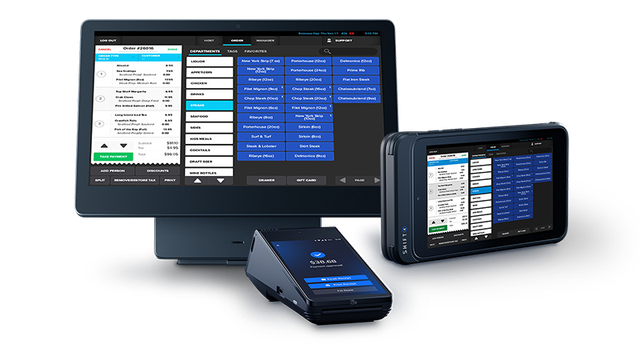
Kenya has a growing ecosystem of modern POS systems designed to support different types of businesses, from small shops to large enterprises. These solutions offer a mix of cloud access, inventory management, payment integration, and analytics.
4.1 Cloud POS Platforms
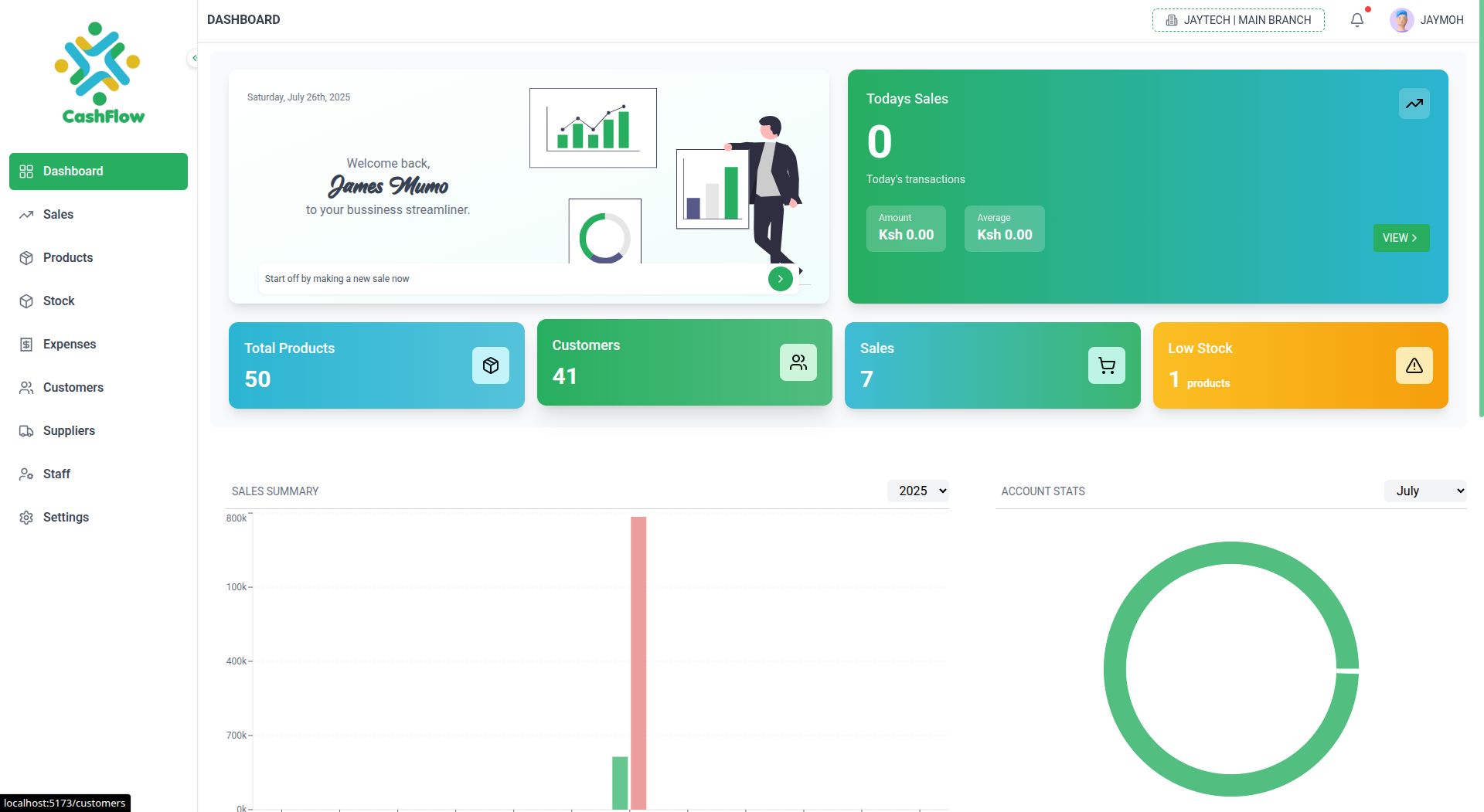
Cloud POS platforms are designed for flexibility, allowing businesses to access their systems from anywhere using internet-enabled devices. Systems like FortyPOS are known for offering both mobile and web-based access with real-time tracking.
- Mobile and web access – Manage your business from smartphones, tablets, or computers.
- Real-time tracking – Monitor sales, inventory, and performance instantly.
- Centralized data – All business information is stored securely and accessible anytime.
These systems are ideal for businesses that require remote management and scalability.
4.2 Retail and Hospitality POS
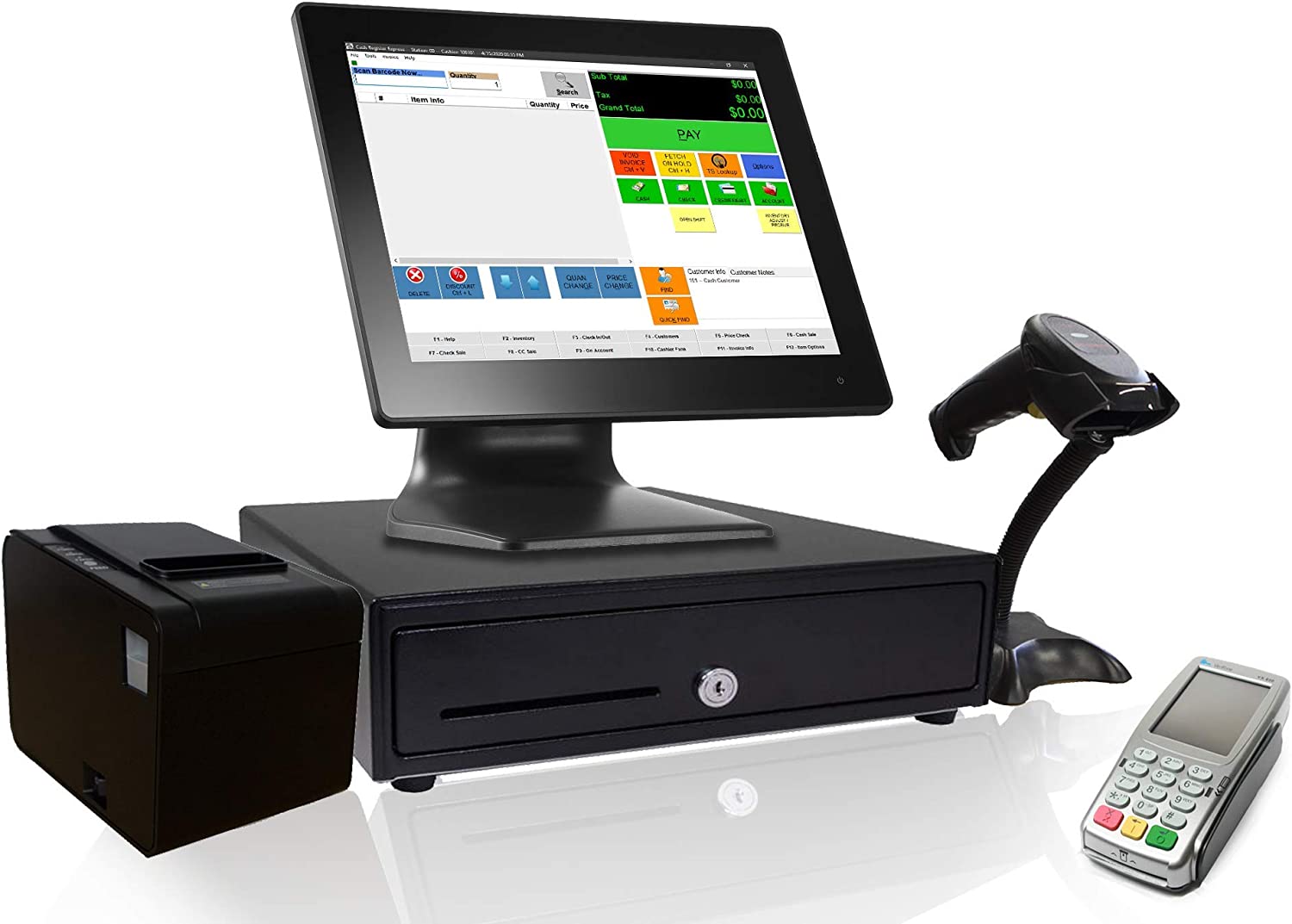
Retail and hospitality POS systems are tailored to meet the operational needs of shops, supermarkets, restaurants, and cafes. Solutions like Sambapos and Halstech POS provide tools for inventory management and detailed reporting.
- Order and sales management – Handles transactions efficiently in busy environments.
- Inventory tracking – Keeps track of stock levels and product movement.
- Reporting tools – Provide insights into sales trends and performance.
These systems help businesses maintain smooth operations and deliver quality customer service.
4.3 All-in-One Business POS
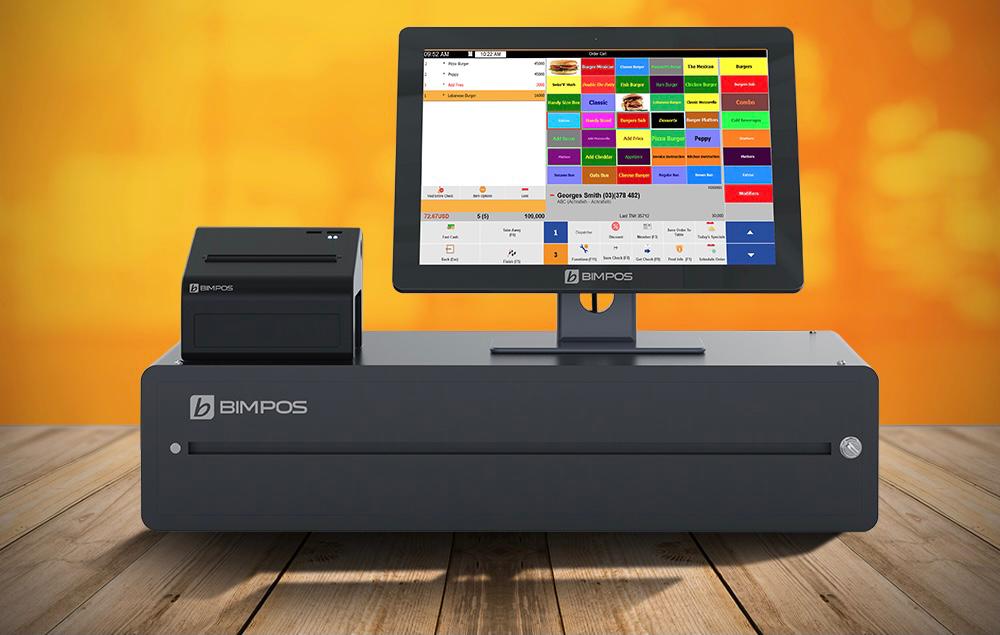
All-in-one POS systems combine multiple business functions into a single platform. Platforms like Mashup POS integrate sales, inventory, marketing, and analytics to provide a complete business management solution.
- Integrated operations – Combines sales, stock, and customer management.
- Marketing tools – Supports promotions, loyalty programs, and customer engagement.
- Advanced analytics – Provides detailed insights for strategic decision-making.
These systems are suitable for businesses looking for a comprehensive and scalable solution.
Modern POS systems in Kenya include cloud-based platforms, retail and hospitality solutions, and all-in-one business systems. Each type is designed to meet specific business needs while offering scalability from small shops to large enterprises. By choosing the right system, businesses can streamline operations, improve efficiency, and support long-term growth.
5. Benefits of Using a Modern POS System in Kenya
Modern POS systems provide businesses in Kenya with powerful tools to streamline operations, improve accuracy, and support growth. By integrating sales, inventory, and reporting into one platform, they help businesses operate more efficiently and profitably.
5.1 Faster Transactions

Modern POS systems significantly speed up the checkout process, reducing delays and improving service flow.
- Quick processing – Transactions are completed in seconds using automated systems.
- Reduced queues – Faster service minimizes customer waiting time.
- Efficient workflows – Staff can handle more customers within a shorter time.
This leads to smoother operations and improved customer satisfaction.
5.2 Improved Accuracy
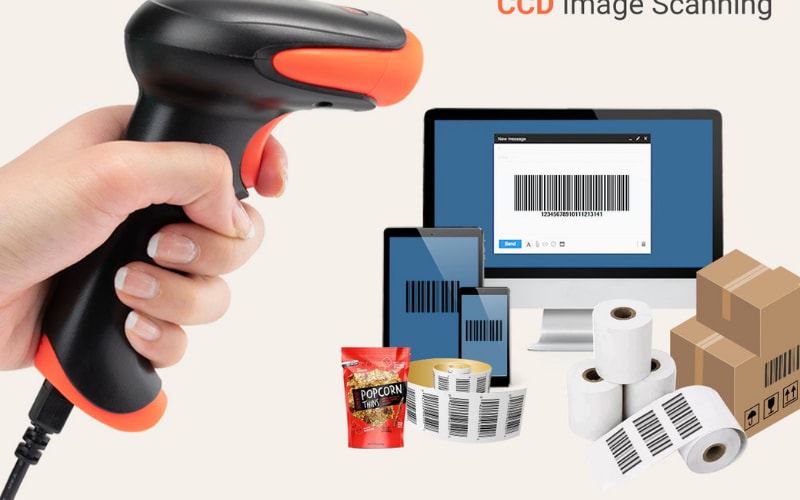
POS systems reduce human error by automating calculations and inventory updates.
- Accurate pricing – Eliminates mistakes in manual calculations.
- Real-time stock updates – Inventory adjusts automatically after each sale.
- Consistent records – Ensures reliable sales and financial data.
Improved accuracy helps businesses avoid losses and maintain trust with customers.
5.3 Better Business Insights
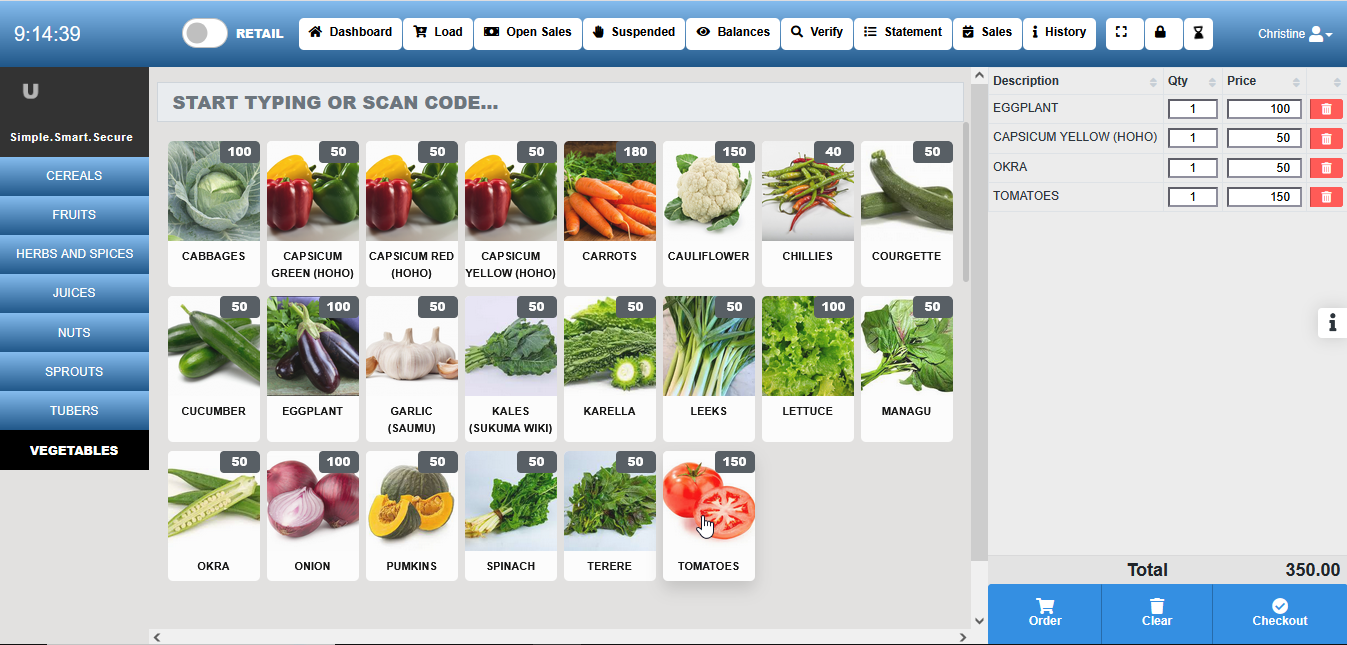
Modern POS systems provide valuable insights that help businesses make informed decisions.
- Real-time reports – Access up-to-date sales and revenue data.
- Trend analysis – Identify best-selling products and peak hours.
- Performance tracking – Monitor business growth and profitability.
These insights enable smarter planning and strategic decision-making.
5.4 Enhanced Customer Experience

POS systems improve how customers interact with businesses by making transactions smooth and convenient.
- Faster service – Reduces waiting time during checkout.
- Digital receipts – Provide instant proof of purchase.
- Flexible payments – Supports M-Pesa, cards, and cash.
A better customer experience leads to increased satisfaction and repeat business.
5.5 Scalability
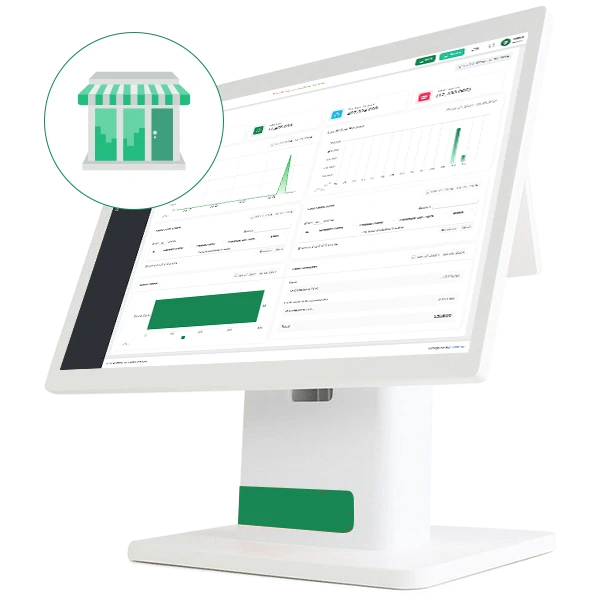
Modern POS systems are designed to grow with your business, supporting expansion and increased operations.
- Multi-branch management – Monitor multiple locations from one system.
- Flexible upgrades – Add features as your business grows.
- Centralized control – Manage all operations from a single dashboard.
This makes it easier for businesses to scale without changing systems.
Modern POS systems in Kenya offer key benefits such as faster transactions, improved accuracy, better business insights, enhanced customer experience, and scalability. By integrating all business operations into one platform, they help businesses increase efficiency, reduce errors, and improve profitability, making them essential tools for growth in today’s competitive market.
6. Cost of Modern POS Systems in Kenya
The cost of modern POS systems in Kenya varies depending on the type of software, hardware requirements, setup services, and additional customizations. Understanding these cost components helps businesses choose a solution that fits their budget while meeting operational needs.
6.1 Software Pricing
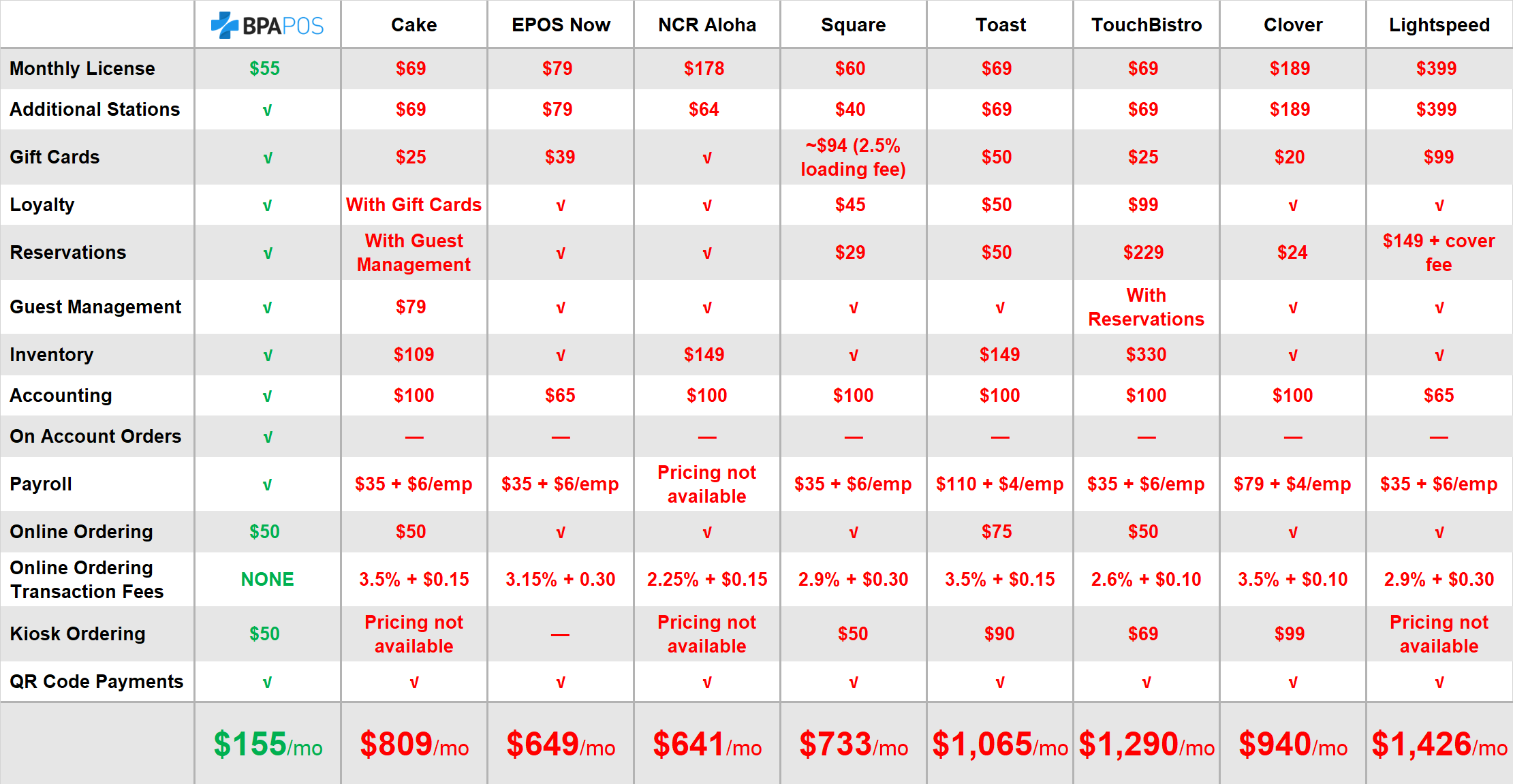
POS software is typically offered through subscription plans or one-time licensing, depending on the provider.
- Subscription-based pricing – Monthly or yearly payments that include updates and support.
- One-time license – A single payment for lifetime use, often with optional support fees.
- Feature-based tiers – Costs vary depending on functionalities such as analytics, multi-branch support, and integrations.
Some POS systems in Kenya start from a few hundred shillings per month, depending on the features included.
6.2 Hardware Costs
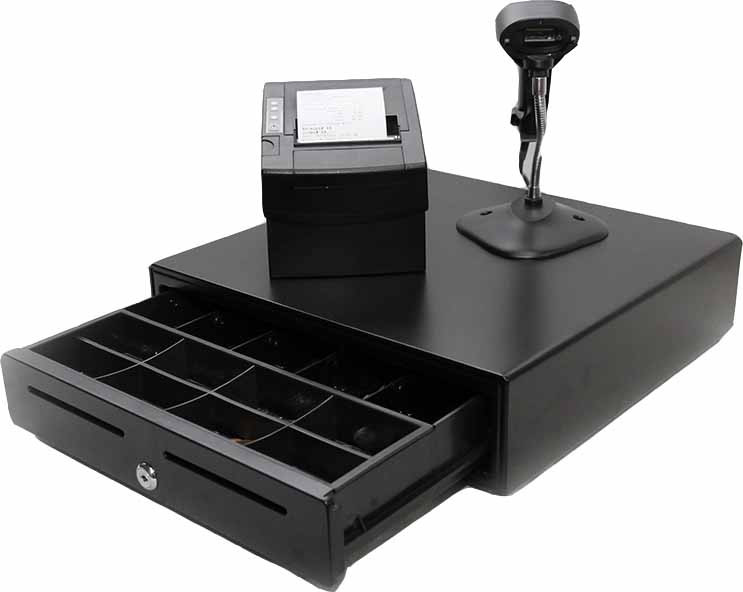
Hardware is a necessary investment for running a POS system and is usually a one-time cost.
- POS terminals – Main devices used to process transactions.
- Barcode scanners – Improve speed and accuracy in product scanning.
- Receipt printers – Provide customers with printed transaction records.
The total hardware cost depends on the quality and type of equipment chosen.
6.3 Setup and Training Fees
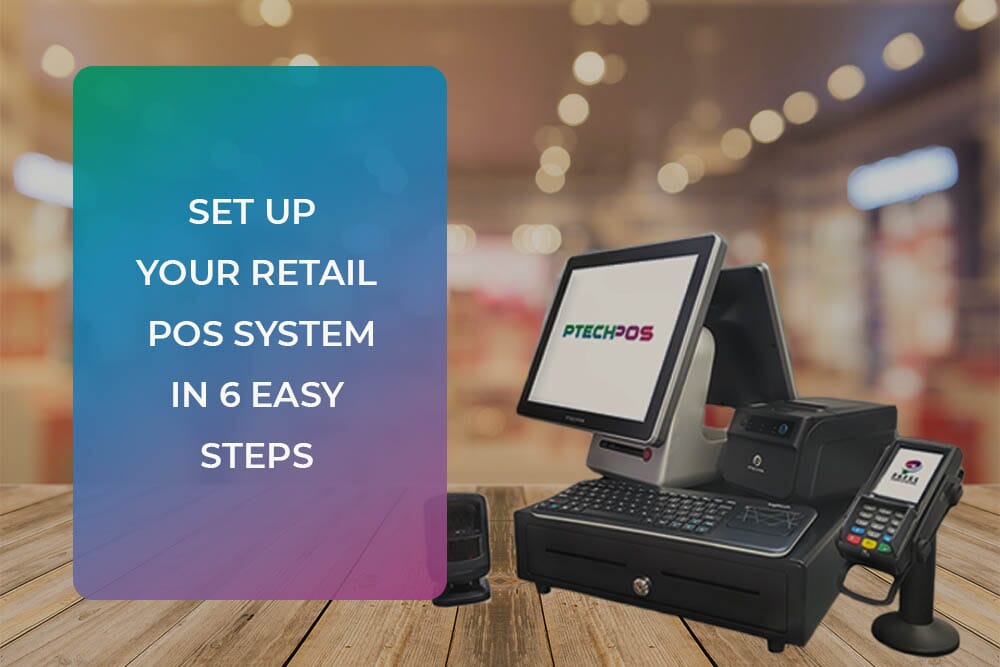
Some POS providers charge for installation, onboarding, and staff training to ensure smooth adoption.
- Installation services – Proper configuration of hardware and software.
- Staff training – Helps employees learn how to use the system efficiently.
- Initial support – Ensures the system runs correctly from the start.
These costs are important for businesses transitioning from manual systems to digital POS solutions.
6.4 Customization Costs

Customization may be required for businesses with unique needs or advanced operations.
- Custom features – Tailored solutions to match specific workflows.
- System integrations – Connecting POS with accounting, ERP, or e-commerce platforms.
- Scalability upgrades – Additional modules for multi-branch or enterprise operations.
These enhancements improve functionality but can increase the overall investment.
The cost of modern POS systems in Kenya includes software pricing, hardware investment, setup and training fees, and optional customization. While some systems start from a few hundred shillings per month, more advanced solutions can cost significantly more depending on features and scale. By understanding these cost components, businesses can choose a POS system that balances affordability, functionality, and long-term growth.
7. How to Choose the Best Modern POS System
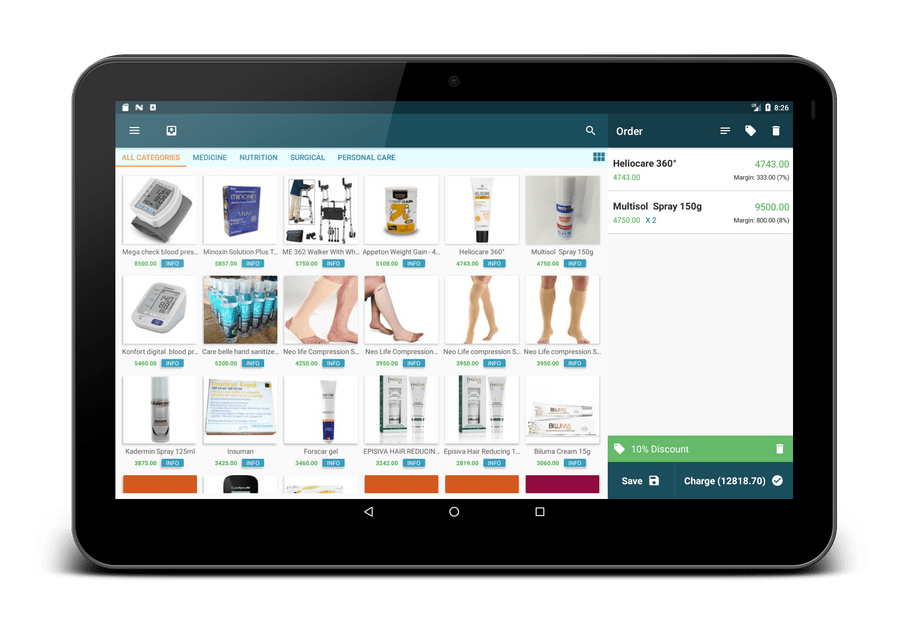
Choosing the right modern POS system is essential for ensuring smooth operations, efficiency, and long-term business growth. With many options available in Kenya, businesses need to evaluate key factors before making a decision.
7.1 Identify Your Business Needs

Understanding your business type and operational needs is the first step in selecting the right POS system.
- Retail businesses Require inventory tracking, barcode scanning, and fast checkout.
- Restaurants – Need order management, table tracking, and kitchen coordination.
- Pharmacies – Require accurate stock control, expiry tracking, and reporting.
- Service businesses – Benefit from appointment scheduling, invoicing, and customer management.
Choosing a system tailored to your industry ensures efficiency and smooth daily operations.
7.2 Check Payment Compatibility
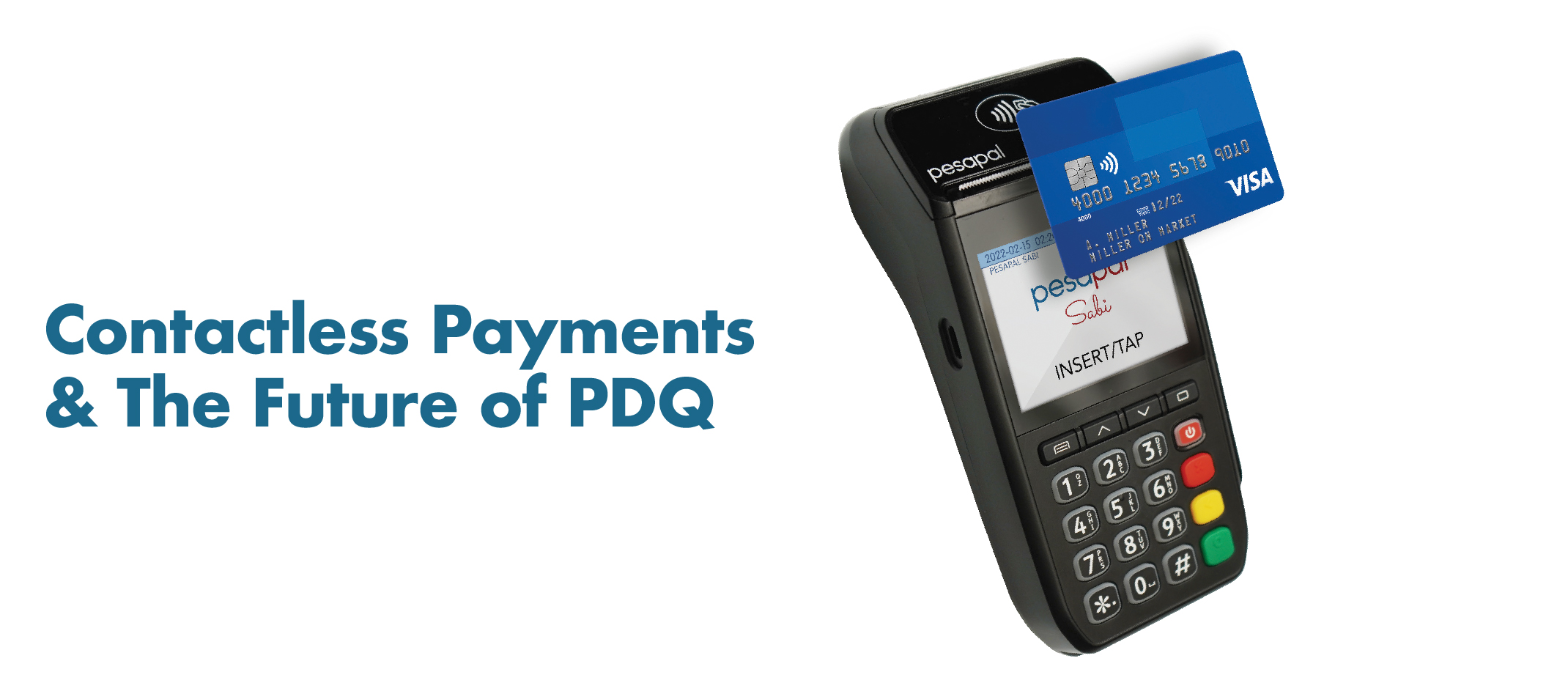
A POS system must support the most commonly used payment methods in Kenya to ensure convenience for customers.
- M-Pesa integration – Essential for mobile money transactions.
- Card payments – Supports debit and credit card usage.
- Cash and digital wallets – Ensures flexibility for all customer preferences.
Proper payment compatibility improves transaction efficiency and customer satisfaction.
7.3 Evaluate Ease of Use

The usability of a POS system affects how quickly staff can adopt and operate it.
- Simple interface – Reduces training time and improves efficiency.
- Clear navigation – Minimizes errors during transactions.
- Quick onboarding – Staff can start using the system with minimal guidance.
An easy-to-use system ensures smooth operations and better staff productivity.
7.4 Look for Local Support

Reliable customer support is essential for resolving issues quickly and maintaining business continuity.
- Local support teams – Provide faster assistance when needed.
- Training services – Help staff understand and use the system effectively.
- Ongoing technical support – Ensures updates, maintenance, and troubleshooting are handled efficiently.
Strong support reduces downtime and keeps business operations running smoothly.
7.5 Compare Features and Pricing

Balancing cost and functionality is key when selecting the best POS system.
- Feature evaluation – Ensure essential tools like inventory, reporting, and payments are included.
- Pricing comparison – Review subscription fees, hardware costs, and additional charges.
- Scalability – Choose a system that can grow with your business.
This helps businesses invest in a solution that delivers long-term value.
Choosing the best modern POS system in Kenya involves understanding your business needs, ensuring payment compatibility, evaluating ease of use, checking for reliable local support, and comparing features with pricing. A well-selected POS system enhances efficiency, supports growth, and ensures long-term success in a competitive business environment.
8. FAQs About Modern POS Systems in Kenya
Businesses often have common questions when adopting modern POS systems. Below are clear answers to help you understand how these systems work and how they benefit businesses in Kenya.
8.1 What is a modern POS system?
A modern POS (Point of Sale) system is a digital solution that combines software and hardware to manage sales and business operations.
- Software component – Handles transactions, inventory, reporting, and customer data.
- Hardware component – Includes POS terminals, scanners, printers, and payment devices.
- Integrated system – Connects sales, stock, and financial records in one platform.
It helps businesses process transactions efficiently while maintaining accurate records.
8.2 How much does a POS system cost in Kenya?
The cost of a POS system in Kenya depends on software, hardware, and additional services.
- Software pricing – Can start from a few hundred shillings per month for basic systems.
- Hardware costs – Includes POS terminals, printers, and scanners as a one-time investment.
- Additional fees – Setup, training, and customization may increase total cost.
Businesses can choose solutions based on their budget and required features.
8.3 Do POS systems support M-Pesa?
Yes, most modern POS systems in Kenya are designed to support M-Pesa and other local payment methods.
- M-Pesa integration – Enables quick and seamless mobile money payments.
- Multiple payment options – Supports cards, cash, and digital wallets.
- Automatic transaction recording – Ensures accurate financial tracking.
This makes transactions convenient for both businesses and customers.
8.4 Is a POS system required for KRA compliance
A POS system is not always mandatory, but it greatly simplifies compliance with KRA requirements such as eTIMS.
- Automatic tax invoicing – Generates compliant receipts.
- eTIMS integration – Sends sales data directly to KRA.
- Accurate recordkeeping – Reduces errors in tax reporting.
Using a POS system helps businesses stay compliant and avoid penalties.
8.5 Can small businesses use modern POS systems?
Yes, modern POS systems are suitable for businesses of all sizes, including small enterprises.
- Affordable options – Many systems are available at low monthly costs.
- Easy to use – Simple interfaces make them accessible to small business owners.
- Scalable solutions – Businesses can upgrade features as they grow.
Even small businesses benefit from improved efficiency, accuracy, and customer experience.
Modern POS systems in Kenya are accessible, flexible, and suitable for businesses of all sizes. They support M-Pesa payments, help with KRA compliance, and come in a range of affordable options. By understanding these FAQs, businesses can confidently adopt POS systems to improve efficiency, accuracy, and overall growth.
Transform Your Business with Modern POS Systems in Kenya
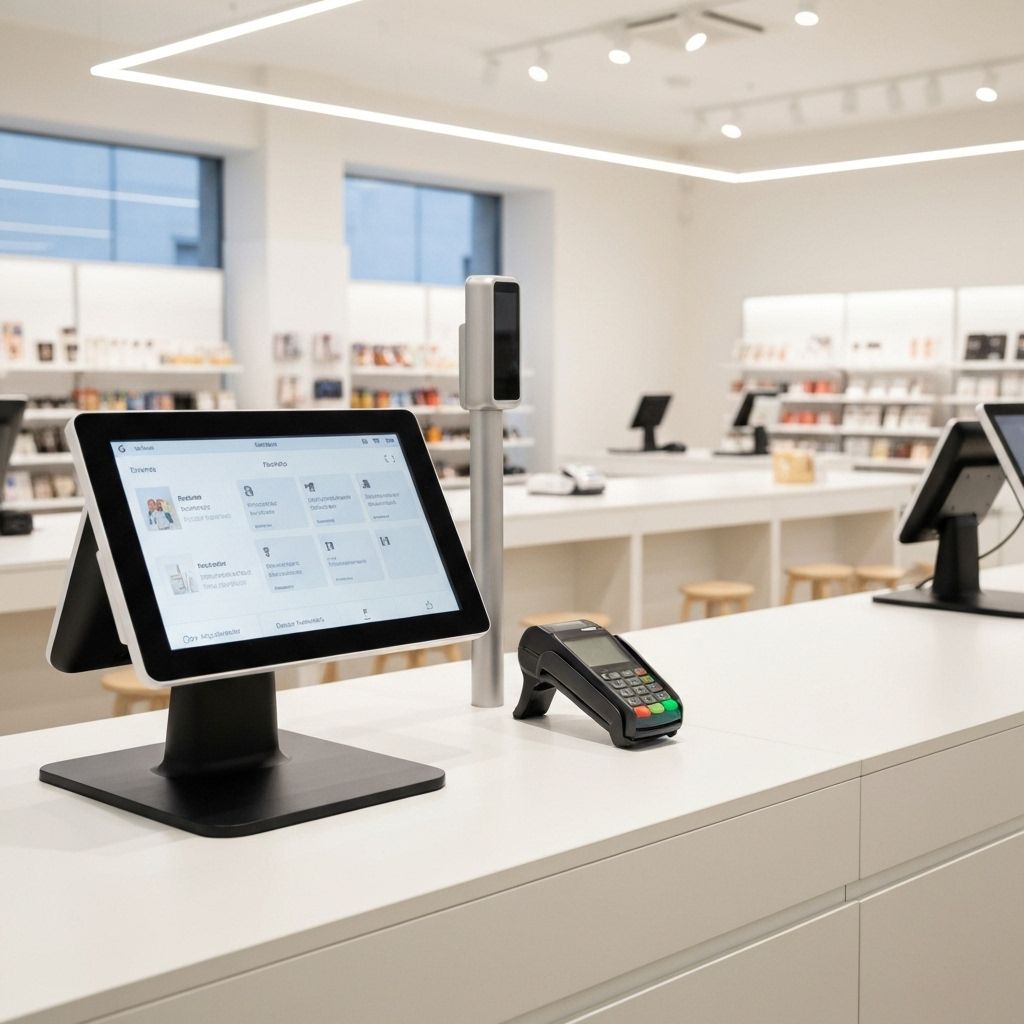
Modern POS systems in Kenya have become essential tools for businesses looking to streamline sales, manage inventory efficiently, and maintain accurate financial records. With the increasing demand for digital solutions, businesses are adopting POS systems to simplify daily operations and improve overall productivity. Whether you run a retail shop, restaurant, or service-based business, having a reliable POS system ensures smoother transactions and better control over your business processes.
Advanced features such as cloud access, mobile payment integration like M-Pesa, and real-time analytics give businesses a competitive edge in today’s fast-paced market. These capabilities allow business owners to track performance, monitor stock levels, and make informed decisions from anywhere. By leveraging modern POS technology, businesses in Kenya can enhance customer experience, reduce errors, and operate more efficiently in an increasingly digital economy.
Choosing the right POS system depends on your business size, industry, and operational needs. To explore powerful and reliable POS solutions tailored for Kenyan businesses, visit Tiwi POS Kenya. Investing in a modern POS system is a strategic move that drives efficiency, ensures compliance, and supports long-term business growth in Kenya’s evolving digital landscape.