Kenya School ERP System: Powering the Future of Smart Schools in Kenya

Kenya’s education sector is rapidly evolving as schools embrace digital transformation to improve efficiency, learning outcomes, and administration. With the introduction of the Competency-Based Curriculum (CBC) and increasing demand for quality education, institutions are under pressure to modernize their operations. Traditionally, many schools relied on manual systems—paper registers, physical fee records, and handwritten reports—which are not only time-consuming but also prone to errors and inefficiencies. These outdated methods make it difficult to manage growing student populations and maintain accurate records.
One of the biggest challenges faced by schools using manual systems is lack of centralized data and inefficiency in operations. Managing student records, tracking attendance, processing fees, and generating reports manually often leads to delays, inaccuracies, and data loss. In addition, communication between teachers, parents, and administrators becomes fragmented, making it harder to monitor student progress effectively. Digital systems solve this by bringing everything into one platform where data is organized, accessible, and secure.
This is where automation through School ERP systems becomes essential. A School ERP (Enterprise Resource Planning) system integrates all school operations—student management, finance, academics, and communication—into one unified platform. It enables real-time access to information, enhances transparency, and supports data-driven decision-making. In Kenya, modern ERP platforms are also designed to support local needs such as mobile payments, CBC tracking, and cloud-based access from anywhere.
In simple terms, a School ERP system acts as the digital backbone of a modern school, replacing paperwork with smart, automated processes. Solutions like Tiwi take this even further by offering a complete, user-friendly system tailored for Kenyan schools—helping institutions streamline operations, improve communication, and focus more on delivering quality education rather than managing paperwork.
Unlocking Efficiency and Digital Excellence in Schools
1. What is a School ERP System?

1.1 Definition of ERP in Education
A School ERP (Enterprise Resource Planning) system is a comprehensive digital platform designed to manage and automate all school operations in one centralized system. In the education context, ERP integrates different departments such as administration, academics, finance, and communication into a single unified platform.
Instead of using separate tools or manual records, schools can rely on one system to store and process all data. This ensures consistency, accuracy, and easy access to information whenever needed. In Kenya, ERP systems are increasingly becoming essential for schools looking to modernize and stay competitive in a fast-evolving education landscape.
1.2 How ERP Systems Work in Schools
A School ERP system works by connecting all school processes into one digital ecosystem. Each department inputs data into the system, and that data becomes accessible across the platform in real-time.
For example:
- When a student is admitted, their details are stored in the system
- Fee payments are automatically updated and recorded
- Teachers can mark attendance digitally
- Exam results are uploaded and instantly available to parents and administrators
This interconnected system eliminates duplication of work and ensures that all stakeholders—teachers, parents, and administrators—are always working with the same up-to-date information.
1.3 Key Components of a School ERP
A complete School ERP system typically includes several integrated modules that handle different aspects of school management:
- Student Information System (SIS): Stores student records, performance, and history
- Finance Module: Handles fee collection, billing, and financial reporting
- Academic Module: Manages exams, grading, and curriculum tracking
- Human Resource Module: Manages staff records, payroll, and attendance
- Communication Portal: Connects teachers, parents, and students
These components work together to create a seamless and efficient management system that reduces workload and improves overall school performance.
2. Importance of School ERP Systems in Kenya

2.1 Improving Administrative Efficiency
School ERP systems significantly reduce the time spent on administrative tasks. Activities such as student registration, fee tracking, and report generation can be completed within minutes instead of hours or days.
This allows school administrators to focus more on strategic planning and improving educational quality rather than being overwhelmed by paperwork.
2.2 Enhancing Communication Between Stakeholders
Effective communication is critical in any school environment. ERP systems provide built-in communication tools such as SMS alerts, notifications, and parent portals.
Parents can easily access their child’s academic progress, fee status, and attendance records, while teachers and administrators can share updates instantly. This transparency strengthens trust and collaboration among all stakeholders.
2.3 Reducing Human Errors and Paperwork
Manual systems are prone to errors such as incorrect data entry, lost records, and duplication of information. A School ERP system minimizes these risks by automating processes and storing data digitally.
With everything recorded in a centralized system, schools can eliminate bulky paperwork and ensure that records are accurate and secure.
2.4 Supporting Data-Driven Decision Making
Modern schools need data to make informed decisions. ERP systems provide real-time reports and analytics that help administrators track performance, monitor finances, and identify trends.
For example, school leaders can quickly analyze student performance, fee collection patterns, or attendance trends, enabling them to make better decisions that improve outcomes.
3. Core Features of a Kenya School ERP System

3.1 Student Information Management
This feature allows schools to maintain detailed student profiles, including personal information, academic records, attendance, and disciplinary history.
Having all student data in one place makes it easier to track progress and provide personalized support where needed.
3.2 Fee Management and Billing (M-Pesa Integration)
One of the most important features in Kenya is integration with mobile payment systems like M-Pesa.
ERP systems automate fee collection, generate invoices, send payment reminders, and provide real-time updates on fee status. This reduces delays and improves financial transparency for both schools and parents.
3.3 Attendance Tracking
Attendance can be recorded digitally using mobile devices or computers. Teachers can mark attendance in real-time, and parents can receive instant notifications if a student is absent.
This improves accountability and helps schools monitor student engagement more effectively.
3.4 Timetable and Scheduling
ERP systems simplify the process of creating and managing school timetables. They ensure that there are no scheduling conflicts and that resources such as classrooms and teachers are used efficiently.
Changes to schedules can also be updated instantly and communicated to all stakeholders.
3.5 Examination and Results Management
Managing exams manually can be complex and error-prone. ERP systems automate exam scheduling, grading, and report card generation.
Teachers can upload results directly into the system, and parents can access them instantly, improving transparency and efficiency.
3.6 Staff and Payroll Management
This module helps schools manage staff records, track attendance, and process payroll efficiently.
It ensures that salaries are calculated accurately, deductions are applied correctly, and staff information is securely stored. This reduces administrative workload and improves staff satisfaction.
4. Benefits of Using a School ERP System

4.1 Centralized Data Management
One of the biggest advantages of a School ERP system is the ability to store all school data in a single, centralized platform. Student records, staff details, financial data, and academic information are all accessible from one system.
This eliminates data duplication, reduces confusion, and ensures that administrators can retrieve information instantly whenever needed. It also improves data security since everything is stored in a controlled digital environment.
4.2 Improved Transparency and Accountability
ERP systems promote transparency by making information easily accessible to authorized users. Parents can track fee payments, student performance, and attendance, while administrators can monitor financial records and staff activities.
This level of visibility reduces fraud, builds trust among stakeholders, and ensures accountability across all school operations.
4.3 Real-Time Reporting and Analytics
With ERP systems, schools can generate real-time reports on various aspects such as student performance, fee collection, and attendance trends.
These insights help school leaders make informed decisions quickly. Instead of waiting for end-term reports, administrators can monitor progress continuously and take corrective actions when necessary.
4.4 Better Parent-Teacher Engagement
A School ERP system bridges the communication gap between parents and teachers. Through portals, SMS notifications, or mobile apps, parents can stay updated on their child’s academic progress and school activities.
Teachers can also communicate directly with parents, share feedback, and address concerns promptly. This improves student outcomes by fostering collaboration between home and school.
4.5 Scalability for Growing Institutions
As schools grow, managing operations becomes more complex. ERP systems are designed to scale with the institution, allowing schools to add new modules, users, and features as needed.
Whether a school expands in student population or introduces new programs, the ERP system can adapt without disrupting operations.
5. Why Kenyan Schools Are Adopting ERP Systems

5.1 Growth of Digital Education in Kenya
Kenya has experienced significant growth in digital learning, driven by the adoption of technology in schools. The Competency-Based Curriculum (CBC) has further emphasized the need for digital tools to support learning and assessment.
ERP systems align perfectly with this shift by providing platforms that support both administrative and academic functions.
5.2 Government Push for ICT Integration
The Kenyan government has actively promoted the use of ICT in education through initiatives aimed at improving digital literacy and access to technology in schools.
This push has encouraged institutions to adopt systems like ERP to streamline operations and align with national education goals.
5.3 Increased Demand for Efficiency and Accuracy
Schools are under increasing pressure to deliver efficient services while maintaining accuracy in data management. Parents expect timely updates, accurate billing, and reliable communication.
ERP systems help schools meet these expectations by automating processes and reducing human errors.
5.4 Rise of Private and International Schools
The growth of private and international schools in Kenya has introduced higher standards of management and service delivery.
To remain competitive, many schools are adopting ERP systems to offer better services, improve efficiency, and enhance their reputation.
6. Modules of a Complete School ERP System
6.1 Admissions Management
This module simplifies the student admission process by handling applications, document verification, and enrollment digitally.
It reduces paperwork and ensures a smooth and organized admission process for both schools and parents.
6.2 Library Management
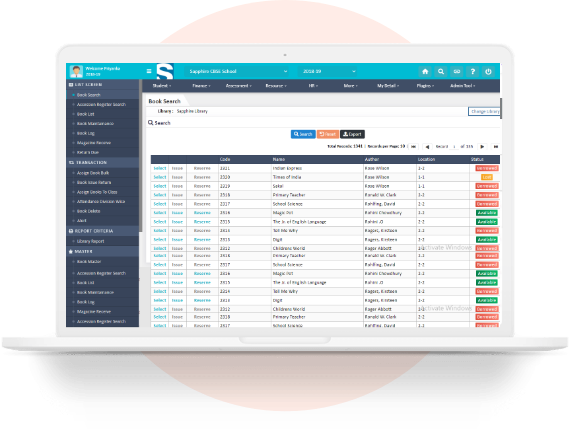
The library module helps schools manage book inventories, track borrowing and returns, and maintain records of library usage.
This improves organization and ensures that resources are utilized effectively.
6.3 Transport Management
Transport modules allow schools to manage school buses, routes, and schedules. Some systems even include GPS tracking to monitor vehicle movement and ensure student safety.
Parents can receive updates on bus schedules and locations, improving convenience and trust.
6.4 Hostel/Boarding Management
For boarding schools, this module helps manage dormitories, student allocations, and hostel activities.
It ensures proper organization and enhances the welfare and safety of students living on campus.
6.5 Inventory and Asset Management
Schools can track assets such as computers, furniture, and laboratory equipment using this module.
It helps prevent loss, manage maintenance schedules, and ensure that resources are used efficiently.
7. Implementation Process of a School ERP System

7.1 Needs Assessment
The first step in implementing a School ERP system is identifying the specific needs of the institution. Schools must evaluate their current challenges and determine which features are required.
This ensures that the chosen system aligns with the school’s goals and operations.
7.2 System Customization
Every school has unique requirements. ERP systems can be customized to fit specific workflows, policies, and structures.
Customization ensures that the system meets the exact needs of the institution without unnecessary complexity.
7.3 Data Migration
Existing data from manual records or previous systems must be transferred to the new ERP system.
This process requires careful planning to ensure accuracy and completeness of data.
7.4 Staff Training
Training is essential for successful implementation. Teachers, administrators, and staff must be equipped with the skills to use the system effectively.
Proper training ensures smooth adoption and reduces resistance to change.
7.5 System Testing and Deployment
Before full deployment, the system should be tested to identify and fix any issues.
Once testing is complete, the ERP system is launched, and the school begins using it in daily operations. Continuous support and updates ensure long-term success.
8. Challenges of Implementing ERP Systems in Kenya (And Solutions)
8.1 Resistance to Change
One of the most common challenges schools face when adopting ERP systems is resistance from staff who are привык to traditional methods. Teachers and administrators may feel overwhelmed by new technology or fear that it will complicate their work.
Solution: Schools should focus on change management by involving staff early in the process, demonstrating the benefits of the system, and providing continuous support. When users understand how the ERP simplifies their work, adoption becomes easier.
8.2 Initial Setup Costs
Implementing a School ERP system may require an initial investment for software, customization, and training. This can be a concern, especially for smaller schools with limited budgets.
Solution: Schools can opt for cloud-based ERP systems that reduce infrastructure costs and offer flexible payment plans. Over time, the efficiency gained from automation often outweighs the initial cost.
8.3 Training and Skill Gaps
Not all staff members may have the technical skills required to use an ERP system effectively. Without proper training, the system may not be utilized to its full potential.
Solution: Comprehensive training programs and ongoing support are essential. Schools should ensure that all users are comfortable with the system and provide refresher training when necessary.
8.4 Internet Connectivity Issues
Reliable internet access is crucial for cloud-based ERP systems. In some regions of Kenya, connectivity challenges can affect system performance and accessibility.
Solution: Schools can invest in stable internet solutions or hybrid systems that allow offline functionality with data synchronization once connectivity is restored.
8.5 Data Security Concerns
With sensitive student and financial data stored digitally, schools may worry about data breaches and unauthorized access.
Solution: Choosing a secure ERP system with encryption, role-based access, and regular backups ensures data safety. Schools should also implement internal policies to protect information.
9. How to Choose the Best School ERP System in Kenya
9.1 Ease of Use
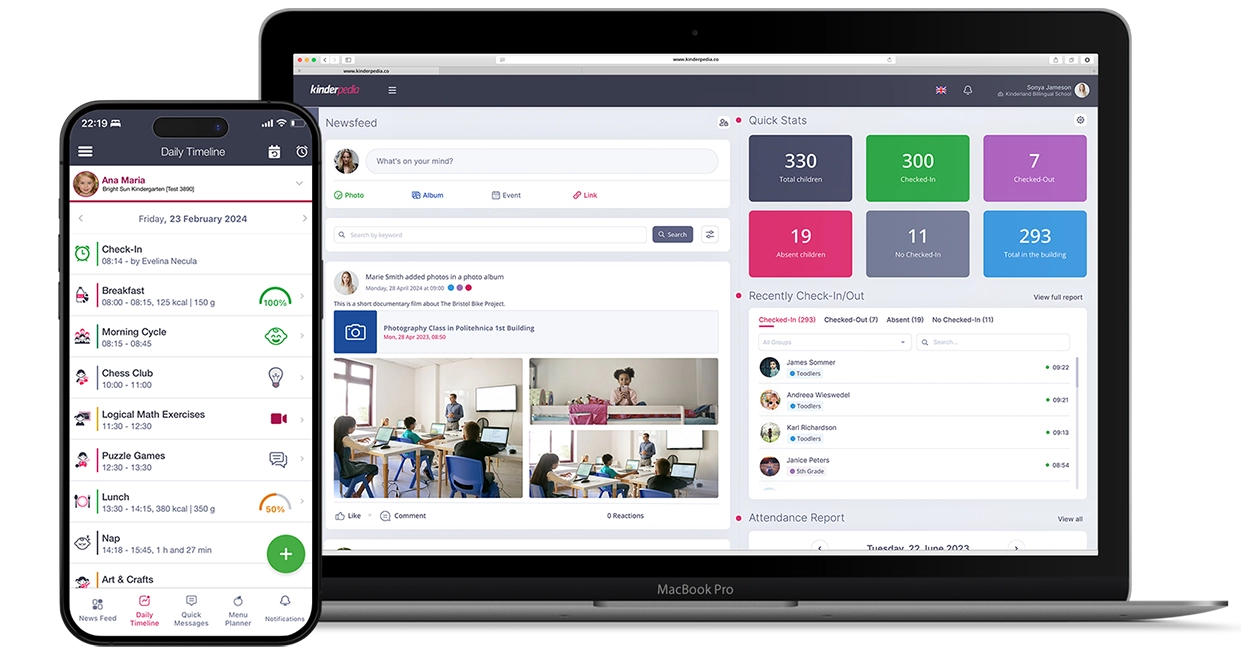
A good ERP system should be user-friendly and easy to navigate. Teachers and administrators should be able to use it without extensive technical knowledge.
An intuitive interface ensures faster adoption and reduces the need for constant training.
9.2 Local Payment Integration (M-Pesa)
In Kenya, integration with mobile payment systems like M-Pesa is essential.
The ERP should support seamless fee collection, automatic payment updates, and real-time transaction tracking to simplify financial management.
9.3 Customization Options
Every school has unique needs, so the ERP system should be flexible enough to adapt to different workflows and structures.
Customization ensures that the system aligns perfectly with the school’s operations.
9.4 Customer Support and Training
Reliable support is critical for long-term success. Schools should choose ERP providers that offer training, technical support, and regular updates.
This ensures that any issues are resolved quickly and that the system continues to function efficiently.
9.5 Scalability and Cloud Access
As schools grow, their systems should grow with them. A scalable ERP system allows institutions to add more users, features, and modules over time.
Cloud-based access also ensures that data can be accessed from anywhere, improving flexibility and convenience.
10. Future of School ERP Systems in Kenya

10.1 Cloud-Based ERP Systems
The future of School ERP systems lies in the cloud. Cloud-based systems eliminate the need for expensive hardware and allow schools to access data from anywhere at any time.
This flexibility makes it easier for schools to manage operations efficiently.
10.2 Mobile Access for Parents and Teachers
Mobile-friendly ERP systems are becoming increasingly important. Parents and teachers can access information, receive updates, and communicate through mobile apps.
This enhances engagement and ensures that everyone stays connected.
10.3 AI and Automation in Education
Artificial Intelligence (AI) is set to revolutionize education by enabling predictive analytics, personalized learning, and automated administrative tasks.
ERP systems will increasingly incorporate AI to improve efficiency and provide deeper insights.
10.4 Integration with National Education Systems
Future ERP systems in Kenya will likely integrate with national education platforms and databases.
This will streamline reporting, improve compliance, and enhance coordination between schools and government institutions.
11. Frequently Asked Questions (FAQs)
11.1 What is a school ERP system?
A school ERP system is a digital platform that integrates and automates school operations such as student management, finance, academics, and communication into one system.
11.2 Is ERP suitable for small schools in Kenya?
Yes, ERP systems are suitable for schools of all sizes. Many solutions offer scalable features that can be tailored to the needs of small institutions.
11.3 Can ERP systems integrate with M-Pesa?
Yes, most modern School ERP systems in Kenya support M-Pesa integration, allowing for easy fee collection and payment tracking.
11.4 How much does a school ERP system cost in Kenya?
The cost varies depending on the features, customization, and number of users. Cloud-based systems often offer affordable subscription plans.
11.5 How long does implementation take?
Implementation can take anywhere from a few weeks to a few months, depending on the size of the school and the complexity of the system.
11.6 Is cloud-based ERP secure?
Yes, cloud-based ERP systems are secure when they include encryption, access controls, and regular backups to protect sensitive data.
Kenya School ERP System: Transform Your School with Tiwi Today

As Kenyan schools continue to embrace digital transformation, the role of a School ERP system has become more critical than ever. From simplifying administrative processes to improving academic management, ERP systems provide a centralized platform that enhances how schools operate. By replacing manual systems with smart digital solutions, institutions can eliminate inefficiencies, reduce errors, and ensure that every aspect of school management is streamlined and well-coordinated. This shift is no longer optional—it is essential for schools that want to remain competitive and deliver quality education in today’s fast-changing environment.
Beyond efficiency, School ERP systems bring transparency and accountability to school operations. Parents gain real-time visibility into their children’s academic progress, fee payments, and attendance, while administrators benefit from accurate data and insightful reports. This level of openness builds trust and strengthens relationships between schools, teachers, and parents. At the same time, ERP systems support growth by allowing institutions to scale operations seamlessly, adapt to new educational demands, and make data-driven decisions that improve overall performance.
To fully unlock these benefits, schools need a solution that is reliable, user-friendly, and tailored for the Kenyan education system. TIWI stands out as a powerful Kenya School ERP solution designed to meet these needs. With features that support administration, finance, academics, and communication, Tiwi empowers schools to operate efficiently and deliver better outcomes. If you are ready to modernize your school, improve efficiency, and enhance student success, now is the time to adopt Tiwi and take your institution to the next level.