Student Information Management System in Kenya: Transforming Schools with Smart Digital Solutions

Student Information Management System in Kenya is rapidly becoming an essential tool as schools embrace digital transformation to improve efficiency and service delivery. Across the country, educational institutions are moving away from outdated manual processes and adopting technology-driven solutions that simplify operations. From student enrollment to academic tracking, modern systems are helping schools manage data more effectively while enhancing overall performance and accountability.
For many schools, traditional methods such as paper records and manual registers present significant challenges, including data loss, errors, and time-consuming processes. As student populations grow and expectations from parents increase, these inefficiencies can slow down operations and affect decision-making. A digital system addresses these issues by centralizing information, automating tasks, and ensuring that accurate data is always accessible in real time.
Solutions like Tiwi are designed to meet the unique needs of Kenyan schools by offering user-friendly platforms that integrate key functions such as fee management, attendance tracking, and parent communication. By adopting such systems, schools not only streamline their administrative processes but also create a more transparent, efficient, and future-ready learning environment.
1. What is a Student Information Management System?

1.1 Definition of SIMS
A Student Information Management System (SIMS) is a centralized digital platform designed to manage all student-related data within a school environment. Instead of relying on manual record-keeping methods such as paper files, registers, or disconnected spreadsheets, this system consolidates all information into one secure and organized database. It stores details like student personal information, admission records, attendance history, academic performance, and financial transactions in a structured format that is easy to access and update.
This digital approach ensures that schools can maintain accurate records without the risk of physical damage, loss, or duplication. It also enhances data security by allowing controlled access, meaning only authorized personnel can view or edit specific information. In a growing education system where data volume is constantly increasing, having a reliable and centralized platform becomes essential for smooth school operations.
1.2 Core Purpose in Schools
The main purpose of implementing such a system in schools is to streamline administrative and academic processes. Schools handle multiple tasks daily, including student admissions, attendance monitoring, exam management, and fee tracking. Managing these tasks manually can lead to delays, errors, and inefficiencies.
With a digital system in place, these processes are automated, making them faster and more accurate. For example, attendance can be recorded instantly, exam results can be calculated automatically, and reports can be generated within seconds. This reduces the workload on teachers and administrative staff, allowing them to focus more on improving student outcomes rather than handling paperwork. Additionally, it promotes better communication by enabling timely updates to parents and guardians regarding student progress and school activities.
1.3 How SIMS Works
The system works by integrating different school functions into one unified platform. When a student is enrolled, their information is entered into the system, creating a digital profile. This profile is continuously updated as the student progresses through their education, capturing attendance records, academic performance, and financial transactions.
Teachers interact with the system by recording attendance, uploading grades, and monitoring student progress. Administrative staff use it to manage admissions, track fee payments, and generate reports. All this data is processed in real time, meaning updates are instantly reflected across the system. This allows school management to access accurate and up-to-date information at any time, supporting better decision-making and efficient school operations.
2. Why Schools in Kenya Need a SIMS

2.1 Increasing Student Enrollment
Schools across Kenya are experiencing a steady rise in student enrollment due to population growth and improved access to education. While this is a positive development, it also creates pressure on school management systems. Handling large volumes of student data manually becomes increasingly difficult, leading to delays, mismanagement, and inefficiencies. A digital system helps schools manage growing student numbers effectively by organizing data in a structured and easily accessible way, ensuring smooth operations even as institutions expand.
2.2 Administrative Challenges
School administrators are responsible for multiple tasks, including admissions, attendance tracking, fee management, and academic reporting. When these processes are handled manually, they become time-consuming and prone to errors. Staff often spend hours searching for records or compiling reports, which reduces productivity. By automating these tasks, a digital management system simplifies workflows, reduces paperwork, and allows administrators to focus on more strategic responsibilities that improve school performance.
2.3 Need for Accurate and Secure Data
Accuracy and security of student information are critical in any educational institution. Manual systems increase the risk of errors such as incorrect entries, missing data, or duplication. Additionally, physical records can be lost, damaged, or accessed by unauthorized individuals. A digital system ensures that data is stored securely, backed up regularly, and protected through access controls. This guarantees that information remains reliable, confidential, and easily retrievable whenever needed.
2.4 Government Reporting Requirements
Schools in Kenya are required to submit various reports to education authorities, including student enrollment data, academic performance, and compliance information. Preparing these reports manually can be tedious and time-consuming, often leading to inaccuracies. With a centralized system, schools can generate detailed and accurate reports instantly, ensuring compliance with government regulations while saving time and effort.
2.5 Parent Expectations and Transparency
Modern parents expect timely updates on their children’s academic progress, attendance, and overall school activities. Traditional communication methods such as printed reports or meetings may not always meet these expectations. A digital system enhances transparency by enabling real-time communication between schools and parents through notifications, reports, and updates. This builds trust, improves engagement, and strengthens the relationship between schools and families.
3. Key Features of a Student Information Management System

3.1 Student Registration and Admissions
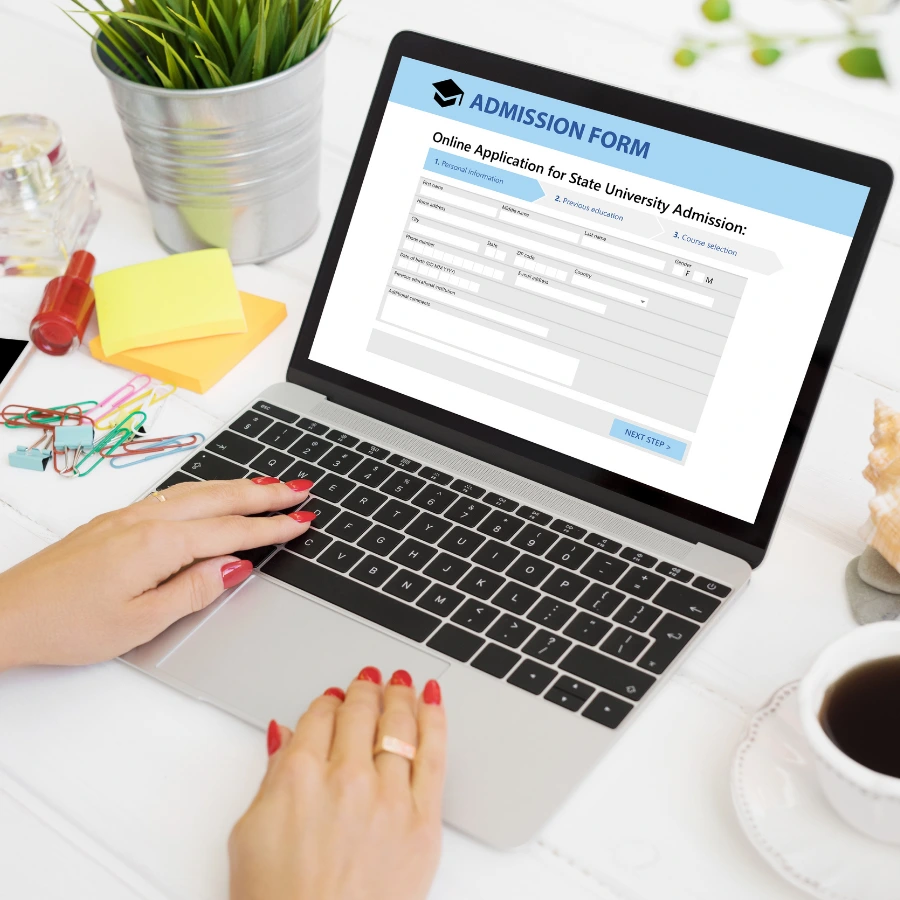
A modern system simplifies the student admission process by digitizing registration forms and storing all applicant details in one place. Schools can easily capture personal information, previous academic history, and required documents without relying on paperwork. This reduces errors, speeds up enrollment, and ensures that all student data is organized from the very beginning.
3.2 Student Records Management
Managing student records becomes much easier with a centralized system. Each student has a digital profile that contains their personal details, academic performance, attendance history, and disciplinary records. This eliminates the need for physical files and allows staff to retrieve information instantly whenever needed, improving efficiency and accuracy.
3.3 Attendance Tracking
Attendance tracking is automated, allowing teachers to record student presence using computers or mobile devices. The system updates attendance records in real time, making it easier to monitor student participation and identify patterns such as absenteeism. This helps schools take timely action to improve attendance rates.
3.4 Academic Performance and Report Cards
The system allows teachers to record grades, calculate results automatically, and generate report cards with ease. It reduces manual errors in grading and ensures consistency in performance evaluation. Schools can also analyze student performance trends and identify areas where learners need additional support.
3.5 Fee Management and Billing
Fee management becomes more efficient through automated billing and payment tracking. Schools can generate invoices, monitor outstanding balances, and record payments seamlessly. Integration with local payment methods such as M-Pesa makes it convenient for parents to pay fees, while the system keeps accurate financial records.
3.6 Communication Portal (Parents & Teachers)
A built-in communication portal enhances interaction between schools and parents. Teachers and administrators can send updates, announcements, and performance reports directly to parents through SMS or online platforms. This improves transparency and ensures that parents stay informed about their children’s progress.
3.7 Timetable and Scheduling
The system helps schools create and manage class timetables efficiently. Administrators can allocate subjects, teachers, and classrooms without conflicts. Any changes to the schedule can be updated instantly and shared with students and staff, ensuring smooth daily operations.
3.8 Staff Management
Staff management features allow schools to maintain records of teachers and employees, including their roles, schedules, and performance. This helps in organizing staff responsibilities, tracking attendance, and ensuring that all departments operate effectively.
3.9 Reporting and Analytics
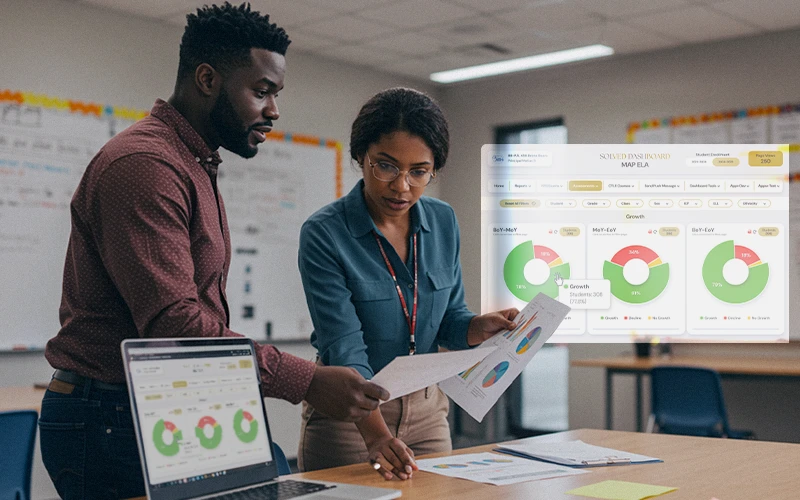
One of the most powerful features is the ability to generate detailed reports and analytics. Schools can access insights on student performance, attendance trends, and financial data. These reports support better decision-making, helping administrators improve both academic and operational outcomes.
4. Benefits of Implementing SIMS in Kenyan Schools
4.1 Improved Efficiency
Implementing a digital management system significantly improves the efficiency of school operations. Tasks that once took hours—such as compiling student records, calculating results, or preparing reports—can now be completed within minutes. Automation reduces the need for repetitive manual work, allowing teachers and administrators to focus more on delivering quality education and managing students effectively.
4.2 Reduced Errors
Manual processes are often prone to human errors, including incorrect data entry, miscalculations, and misplaced records. A digital system minimizes these risks by automating processes such as grading, attendance tracking, and fee calculations. This ensures that data remains accurate and consistent, which is essential for maintaining reliable school records.
4.3 Better Decision-Making
With access to real-time data and detailed reports, school administrators can make informed decisions quickly. The system provides insights into student performance, attendance patterns, and financial status, enabling schools to identify areas that need improvement. This data-driven approach helps institutions plan better strategies and improve overall performance.
4.4 Enhanced Communication
Effective communication is essential in any school environment. A digital system allows schools to share updates, announcements, and academic reports instantly with parents and students. This improves transparency and keeps all stakeholders informed, strengthening the relationship between schools and families.
4.5 Secure Data Storage
Storing data digitally ensures that student information is safe and protected. Unlike physical records that can be lost, damaged, or accessed by unauthorized individuals, digital systems use security measures such as passwords and access controls. Regular backups also ensure that data can be recovered in case of any system failure.
4.6 Simplified Fee Collection (M-Pesa Integration)
One of the most valuable benefits for Kenyan schools is the integration with mobile payment systems like M-Pesa. Parents can conveniently pay school fees using their phones, while the system automatically records transactions. This reduces delays in payments, improves financial tracking, and makes the entire fee collection process more efficient and transparent.
5. Key Modules of a Modern SIMS (Tiwi Focus)
5.1 Admissions Module
The admissions module simplifies the entire enrollment process by digitizing student applications and registration. Schools can capture student details, upload required documents, and approve admissions seamlessly without paperwork. This ensures faster processing, reduces congestion during admission periods, and maintains accurate student records from the very beginning.
5.2 Finance & Fee Management
This module handles all financial operations within the school, including fee invoicing, payment tracking, and financial reporting. It allows schools to monitor outstanding balances, generate receipts, and maintain clear financial records. Integration with mobile payment systems makes it easier for parents to pay fees while ensuring every transaction is recorded automatically.
5.3 Academic Management
Academic management focuses on handling student performance, grading, and curriculum tracking. Teachers can record marks, manage exams, and generate report cards with ease. The system also allows schools to analyze academic trends, helping educators identify students who need additional support and improve overall performance.
5.4 Attendance Module
The attendance module enables teachers to record student attendance digitally using computers or mobile devices. Attendance data is updated instantly, making it easy to monitor student participation and detect patterns such as absenteeism. Schools can also generate attendance reports for better tracking and decision-making.
5.5 Communication Module
This module enhances communication between schools, parents, and students. It allows administrators and teachers to send announcements, reminders, and performance updates through SMS or online platforms. This ensures that parents stay informed and engaged in their children’s education.
5.6 Reporting Dashboard
The reporting dashboard provides a centralized view of all school data through charts and reports. Administrators can access insights on student performance, attendance trends, and financial status. This helps school leaders make informed decisions and improve both academic and operational outcomes.
6. Integration with Kenyan Systems and Payments

6.1 M-Pesa Integration
Integration with M-Pesa allows parents to pay school fees conveniently using their mobile phones. Payments are processed instantly and automatically recorded in the system, reducing manual reconciliation and improving efficiency in financial management.
6.2 Bank Payment Systems
The system can also integrate with banking platforms, enabling schools to receive payments directly through bank transfers. This provides flexibility for parents and ensures that all financial transactions are properly tracked and documented.
6.3 SMS Notifications
SMS integration allows schools to send real-time updates to parents and students. These can include fee reminders, attendance alerts, exam results, and important announcements. This improves communication and ensures that important information reaches stakeholders promptly.
6.4 Compliance with Education Systems
Modern systems are designed to align with government requirements and reporting standards. Schools can easily generate reports needed by education authorities, ensuring compliance while saving time and effort. This makes it easier for institutions to meet regulatory obligations without manual work.
7. Implementation Process of a SIMS

7.1 Needs Assessment
The first step in implementing a system is understanding the specific needs of the school. This involves analyzing current processes, identifying challenges, and determining the features required to improve operations. Schools evaluate areas such as admissions, fee management, attendance tracking, and reporting to ensure the system aligns with their goals.
7.2 System Customization
Once the requirements are clear, the system is customized to fit the school’s structure and workflow. This includes setting up classes, subjects, grading systems, and user roles. Customization ensures that the platform matches the unique needs of the institution rather than forcing schools to adapt to a rigid system.
7.3 Data Migration
Data migration involves transferring existing student records from manual files or spreadsheets into the new system. This process must be handled carefully to ensure accuracy and completeness. Proper verification is done to avoid errors or loss of important information during the transition.
7.4 Staff Training
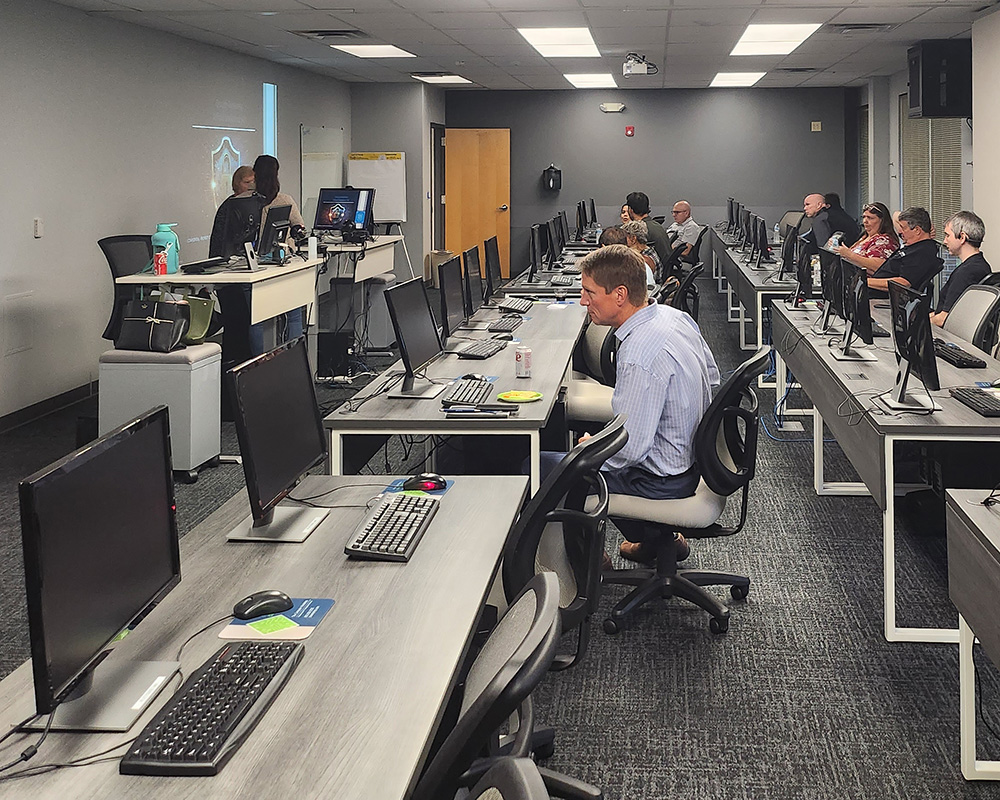
Training is essential to ensure that teachers and administrative staff can use the system effectively. Schools conduct training sessions to familiarize users with key features such as attendance tracking, report generation, and communication tools. Well-trained staff ensures smooth adoption and maximum utilization of the system.
7.5 Testing and Deployment
Before full implementation, the system is tested to ensure all features are working correctly. This includes checking data accuracy, system performance, and user access levels. Once testing is complete, the system is deployed for daily use across the school.
7.6 Ongoing Support
After deployment, continuous support is provided to address any technical issues and ensure the system runs smoothly. Regular updates, maintenance, and user assistance help schools get the most value from the system over time.
8. Challenges of SIMS Implementation (And Solutions)
8.1 Resistance to Change
One of the most common challenges is resistance from staff who are used to traditional methods. Transitioning to a digital system may feel overwhelming at first. This can be addressed by providing proper training, demonstrating the benefits, and involving staff in the implementation process to build confidence and acceptance.
8.2 Training Requirements
Introducing a new system requires users to learn how it works, which can take time. Without proper training, staff may struggle to use the system effectively. Schools can overcome this by organizing structured training sessions and offering continuous support to ensure all users are comfortable with the platform.
8.3 Initial Costs
The initial investment required to implement a system can be a concern for some schools. However, this cost is often outweighed by long-term benefits such as improved efficiency, reduced paperwork, and better financial management. Schools can adopt scalable solutions that fit their budget and grow over time.
8.4 Internet Connectivity Issues
Reliable internet access is essential for cloud-based systems, but some schools may face connectivity challenges. This can be managed by using systems that support offline functionality or investing in stable internet solutions to ensure uninterrupted access.
8.5 Data Migration Challenges
Transferring data from manual records to a digital system can be complex and time-consuming. Errors may occur if not handled properly. To overcome this, schools should conduct thorough data verification and work with experienced professionals to ensure a smooth and accurate migration process.
10. Frequently Asked Questions About Student Information Management Systems
10.1 What is a student information management system?
A student information management system is a digital platform used by schools to store, manage, and process student data. It centralizes information such as student records, attendance, academic performance, and fee payments, making school operations more efficient and organized.
10.2 Can small schools in Kenya use SIMS?
Yes, small schools can benefit greatly from such systems. Modern solutions are scalable and can be customized to fit institutions of all sizes. Even schools with limited resources can adopt simplified versions that improve efficiency without requiring complex infrastructure.
10.3 Does a SIMS support M-Pesa payments?
Yes, most modern systems in Kenya support integration with M-Pesa. This allows parents to pay school fees conveniently using their mobile phones, while the system automatically records and tracks payments in real time.
10.4 Is student data secure in a SIMS?
Student data is highly secure when stored in a digital system. Security measures such as user authentication, access control, and data encryption help protect sensitive information from unauthorized access. Regular backups also ensure that data is not lost.
10.5 How much does a SIMS cost in Kenya?
The cost varies depending on the features, size of the school, and level of customization required. Some systems offer affordable subscription-based pricing, making them accessible to both small and large schools.
10.6 How long does implementation take?
Implementation time depends on the size of the school and the complexity of the system. For most institutions, it can take anywhere from a few days to a few weeks, including setup, data migration, and staff training.
10.7 Can SIMS be accessed on mobile phones?
Yes, many systems are designed to be mobile-friendly. Teachers, parents, and administrators can access the platform using smartphones or tablets, making it convenient to manage school activities from anywhere.
10.8 Does it support multiple school branches?
Yes, advanced systems support multi-branch management. Schools with multiple campuses can manage all branches from a single platform while maintaining separate records for each location. This ensures consistency and efficient oversight across the entire institution.
Revolutionize Your School with Tiwi POS: Smarter, Faster, and Future-Ready Management
A Student Information Management System has become a game-changer for schools aiming to improve efficiency and stay ahead in today’s fast-evolving education sector. By shifting from manual processes to a centralized digital platform, schools can streamline operations, reduce administrative workload, and maintain accurate, real-time data. This transformation not only simplifies management but also enhances the overall learning environment for both students and teachers.
With a powerful solution like schools can achieve unmatched efficiency, accuracy, and scalability. From automating attendance and academic records to simplifying fee collection and improving communication with parents, Tiwi empowers institutions to operate seamlessly. As schools grow, the system adapts effortlessly, ensuring that performance and organization are never compromised.
Now is the perfect time for schools in Kenya to embrace digital transformation and unlock their full potential. Take the next step by booking a demo, exploring flexible pricing options, and experiencing how TIWI can transform your school operations. Start managing your institution smarter today and position your school for long-term success.