Hospital ERP System Kenya: The Smart Way to Manage Healthcare Efficiently

Healthcare facilities across Kenya are facing increasing pressure to deliver faster, more accurate, and more reliable services to patients. From busy hospitals in Nairobi to small clinics in rural areas, managing patient records, billing, pharmacy stock, and staff operations manually is no longer sustainable. Errors, delays, and inefficiencies often arise when systems are not centralized.
A Hospital ERP system provides a powerful solution by integrating all hospital operations into one platform. It allows healthcare providers to manage patient data, automate billing, track inventory, and streamline workflows in real time. This digital transformation is helping facilities improve both operational efficiency and patient care.
For healthcare providers looking for a reliable and locally optimized solution, Tiwi POS offers an all-in-one Hospital ERP system tailored for the Kenyan market. With seamless M-Pesa integration, easy usability, and scalable features, it empowers hospitals and clinics to operate smarter and grow faster.
1. What Is a Hospital ERP System?

In simple terms, a Hospital ERP system is the brain behind a modern healthcare facility. Instead of handling patient records, billing, pharmacy stock, and staff schedules separately, everything is brought together into one smart system. This means doctors, nurses, accountants, and administrators are all working from the same source of truth.
In Kenya, many hospitals are still transitioning from paper-based systems or disconnected software. This often leads to lost files, billing errors, and delays in patient care. A Hospital ERP system eliminates these challenges by digitizing and connecting every department, making operations smoother and more reliable.
With solutions like Tiwi POS, hospitals can go beyond basic management and adopt a fully integrated system that combines ERP functionality with billing, inventory, and payment processing—creating a seamless experience for both staff and patients.
1.1 Definition of Hospital ERP
A Hospital ERP (Enterprise Resource Planning) system is a centralized software platform designed to manage all key hospital operations in one place. It connects clinical services like patient care with administrative functions such as billing, finance, and human resource management.
Think of it as a digital ecosystem where:
- Patient records are stored securely and accessed instantly
- Bills are generated automatically after services
- Pharmacy stock updates in real time
- Staff activities are tracked and managed efficiently
Instead of juggling multiple systems, everything runs under one unified platform—saving time and reducing costly mistakes.
1.2 How Hospital ERP Systems Work
A Hospital ERP system works by using a centralized database that all departments can access in real time. Once information is entered into the system—such as patient registration—it becomes available across the entire hospital.
For example:
- A patient registers at reception
- The doctor immediately sees their details in consultation
- The pharmacy receives the prescription digitally
- Billing is generated automatically
This flow happens instantly without paperwork or duplication.
Modern systems like Tiwi POS take it a step further by automating key processes:
- Auto-invoicing after consultation
- M-Pesa payment integration for faster transactions
- Inventory updates as drugs are dispensed
The result is a faster, more efficient hospital environment where staff can focus on patient care instead of administrative tasks.
1.3 Why ERP Systems Are Growing in Kenya
The healthcare sector in Kenya is evolving rapidly, and hospitals are under pressure to improve efficiency while handling more patients. This is one of the main reasons why ERP systems are becoming increasingly popular.
Several factors are driving this growth:
- Increased patient demand
Hospitals are serving more people, making manual systems unsustainable - Need for accurate data
Real-time reports help management make better decisions - Digital transformation in healthcare
More facilities are adopting modern systems to stay competitive - Mobile payments like M-Pesa
Hospitals need systems that support fast and flexible payments - Government and insurance integration (NHIF/SHA)
Digital systems make claims processing easier and more accurate
Solutions like Tiwi POS are leading this shift by offering affordable, easy-to-use ERP systems designed specifically for the Kenyan healthcare environment. This makes it easier for even small clinics to adopt technology that was once only available to large hospitals.
2. Why Hospitals in Kenya Need an ERP System

Healthcare in Kenya is evolving quickly, but many hospitals are still struggling to keep up with the growing demands of patients and modern service expectations. From long queues at reception to delays in billing and missing patient records, these challenges often stem from outdated systems that cannot handle today’s workload.
A Hospital ERP system is no longer a luxury—it has become a necessity. It helps hospitals move from slow, manual processes to fast, automated workflows that improve efficiency, accuracy, and patient satisfaction. With a system like Tiwi POS, hospitals can simplify operations, reduce pressure on staff, and provide better care without increasing complexity.
2.1 Growing Patient Demand
Hospitals and clinics across Kenya are experiencing a steady increase in patient numbers. Whether it’s urban hospitals in Nairobi or growing health centers in rural areas, more people are seeking medical services than ever before.
This growth creates several challenges:
- Longer waiting times for patients
- Increased workload for doctors and nurses
- Pressure on administrative staff to handle records and billing
Without a proper system in place, managing this demand becomes overwhelming. Files get misplaced, queues grow longer, and patient experience suffers.
A Hospital ERP system helps solve this by:
- Speeding up patient registration
- Streamlining appointment scheduling
- Reducing waiting time through efficient workflows
With Tiwi POS, hospitals can handle more patients efficiently without compromising on service quality.
2.2 Challenges of Manual Systems
Many healthcare facilities still rely on paper records or disconnected systems, which can lead to serious inefficiencies.
Common problems include:
- Lost or misplaced patient files
- Billing errors due to manual calculations
- Difficulty tracking pharmacy stock
- Lack of coordination between departments
For example, a patient may be treated by a doctor, but their file might not reach the pharmacy on time, causing delays. In other cases, billing may not reflect all services provided, leading to revenue loss.
Manual systems also consume a lot of time. Staff spend hours searching for files or updating records instead of focusing on patient care.
A Hospital ERP system eliminates these issues by:
- Digitizing all records
- Automating billing processes
- Connecting departments in real time
Tiwi POS simplifies this transition by providing an easy-to-use system that replaces paperwork with a streamlined digital workflow.
2.3 Need for Real-Time Information
In healthcare, timely information can make a huge difference. Doctors need quick access to patient history, administrators need accurate financial reports, and pharmacists need up-to-date stock levels.
Without real-time data:
- Decisions are delayed
- Errors increase
- Patient care can be compromised
A Hospital ERP system ensures that all information is available instantly across the facility. This means:
- Doctors can access patient history immediately
- Billing is updated as services are provided
- Inventory reflects real-time stock levels
For hospital management, this also means better decision-making. Reports on revenue, patient flow, and resource usage can be generated instantly, helping leaders plan and improve operations.
With Tiwi POS, hospitals gain access to real-time dashboards and analytics, enabling them to run more efficiently and respond quickly to both patient and business needs.
3. Key Features of a Hospital ERP System (Powered by Tiwi POS)
A powerful Hospital ERP system is defined by the features it brings together. Instead of using separate tools for patient records, billing, pharmacy, and reporting, everything is unified into one seamless platform. This is exactly what makes modern systems like Tiwi POS so effective—they simplify complex hospital operations into one easy-to-use system.
For hospitals in Kenya, the right features can mean the difference between chaos and smooth operations. Let’s break down the core functionalities that make a Hospital ERP system truly valuable.
3.1 Patient Management System
At the heart of any hospital ERP system is patient management. This feature ensures that every patient interaction is recorded, organized, and easily accessible.
With a digital system:
- Patients are registered quickly at reception
- Medical history is stored securely
- Doctors can access patient records instantly
This eliminates the need for physical files and reduces the risk of lost information.
With Tiwi POS, patient profiles are centralized, meaning every department—from consultation to pharmacy—can access accurate and up-to-date patient data in real time.
3.2 Appointment Scheduling
Managing appointments manually often leads to confusion, double bookings, and long waiting times. A Hospital ERP system automates this entire process.
Key benefits include:
- Easy booking and rescheduling of appointments
- Reduced patient waiting time
- Better planning for doctors and staff
Patients can be attended to in an organized manner, improving overall experience and satisfaction.
With Tiwi POS, appointment scheduling is streamlined, helping hospitals manage daily operations without overcrowding or delays.
3.3 Billing and Payment Integration
Billing is one of the most critical areas in any hospital. Errors here can lead to revenue loss or patient dissatisfaction.
A Hospital ERP system simplifies billing by:
- Automatically generating invoices after services
- Integrating multiple payment methods
- Tracking payments in real time
In Kenya, M-Pesa is essential, and systems must support it seamlessly.
Tiwi POS stands out by offering:
- M-Pesa integration for fast and convenient payments
- Accurate billing linked directly to services provided
- Instant receipts and transaction tracking
This ensures transparency and improves cash flow for healthcare facilities.
3.4 Pharmacy and Inventory Management
Managing medical stock manually can be challenging and risky. Running out of essential drugs or overstocking can affect both patient care and finances.
A Hospital ERP system helps by:
- Tracking inventory levels in real time
- Sending alerts when stock is low
- Recording drug dispensing automatically
This ensures that the pharmacy is always well-managed and efficient.
With Tiwi POS, inventory updates automatically whenever medication is dispensed, reducing errors and improving accountability.
3.5 Financial Management
Beyond billing, hospitals need a clear picture of their overall financial health. A Hospital ERP system provides tools to track revenue, expenses, and profitability.
This includes:
- Monitoring income from different services
- Tracking operational expenses
- Generating financial reports
With these insights, hospital management can make better financial decisions.
Tiwi POS offers built-in financial tracking that gives healthcare providers full visibility into their business performance.
3.6 Staff and HR Management
Managing hospital staff can be complex, especially in busy facilities with multiple departments.
A Hospital ERP system simplifies HR functions by:
- Tracking staff attendance and schedules
- Managing roles and responsibilities
- Supporting payroll processing
This ensures that staff are well-coordinated and operations run smoothly.
With Tiwi POS, hospitals can manage their workforce efficiently, ensuring the right staff are available at the right time.
3.7 Reporting and Analytics
Data is one of the most valuable assets in healthcare. A Hospital ERP system transforms raw data into actionable insights.
With reporting and analytics:
- Management can monitor hospital performance
- Patient trends can be analyzed
- Financial reports can be generated instantly
This enables better planning and decision-making.
Tiwi POS provides real-time dashboards that give a clear overview of operations, helping hospitals stay in control and continuously improve their services.
4. Benefits of Using a Hospital ERP System in Kenya

Adopting a Hospital ERP system is not just about technology—it’s about transforming how healthcare facilities operate and deliver services. In Kenya, where hospitals are handling increasing patient volumes and rising expectations, an ERP system provides a clear path toward efficiency, accuracy, and growth.
With a solution like Tiwi POS, hospitals can streamline their operations, reduce errors, and improve patient satisfaction—all while maintaining full control over their finances and data. Let’s explore the key benefits that make ERP systems essential for modern healthcare facilities.
4.1 Improved Patient Care
At the core of every hospital is the patient experience. A Hospital ERP system ensures that patients receive faster, more accurate, and more personalized care.
With digital records:
- Doctors can access patient history instantly
- Diagnosis and treatment decisions are made faster
- Waiting times are significantly reduced
Patients no longer have to carry files or repeat their medical history at every visit.
With Tiwi POS, healthcare providers can deliver a smoother and more professional experience, improving patient trust and satisfaction.
4.2 Increased Operational Efficiency
Hospitals have many moving parts—reception, consultation, pharmacy, billing, and administration. Without coordination, delays and confusion are inevitable.
A Hospital ERP system connects all departments, allowing:
- Seamless communication across units
- Faster service delivery
- Reduced administrative workload
Tasks that used to take hours can now be completed in minutes.
With Tiwi POS, hospitals operate like a well-coordinated system, where every process flows smoothly from one department to another.
4.3 Cost Reduction
Running a hospital can be expensive, especially when inefficiencies lead to wasted time and resources.
A Hospital ERP system helps reduce costs by:
- Minimizing manual errors that lead to financial losses
- Reducing paperwork and administrative expenses
- Preventing overstocking or stock shortages in pharmacies
Automation ensures that resources are used efficiently, saving money in the long run.
With Tiwi POS, hospitals can optimize their operations and reduce unnecessary expenses without compromising on service quality.
4.4 Better Financial Control
Financial management is critical for the sustainability of any healthcare facility. Without accurate tracking, hospitals may struggle with revenue leakage or unclear financial reporting.
A Hospital ERP system provides:
- Real-time tracking of income and expenses
- Automated billing linked to services
- Detailed financial reports for better planning
This level of control allows hospital management to make informed decisions and improve profitability.
With Tiwi POS, financial transparency becomes effortless, giving healthcare providers full visibility into their operations.
4.5 Enhanced Data Security
Patient data is highly sensitive and must be protected at all costs. Manual systems and unsecured platforms increase the risk of data loss or unauthorized access.
A Hospital ERP system ensures:
- Secure storage of patient records
- Controlled access based on user roles
- Backup and recovery of important data
This not only protects patient information but also helps hospitals comply with healthcare data regulations.
With Tiwi POS, healthcare facilities can confidently manage sensitive information in a secure and reliable digital environment.
5. Why Tiwi POS Is the Best Hospital ERP System in Kenya
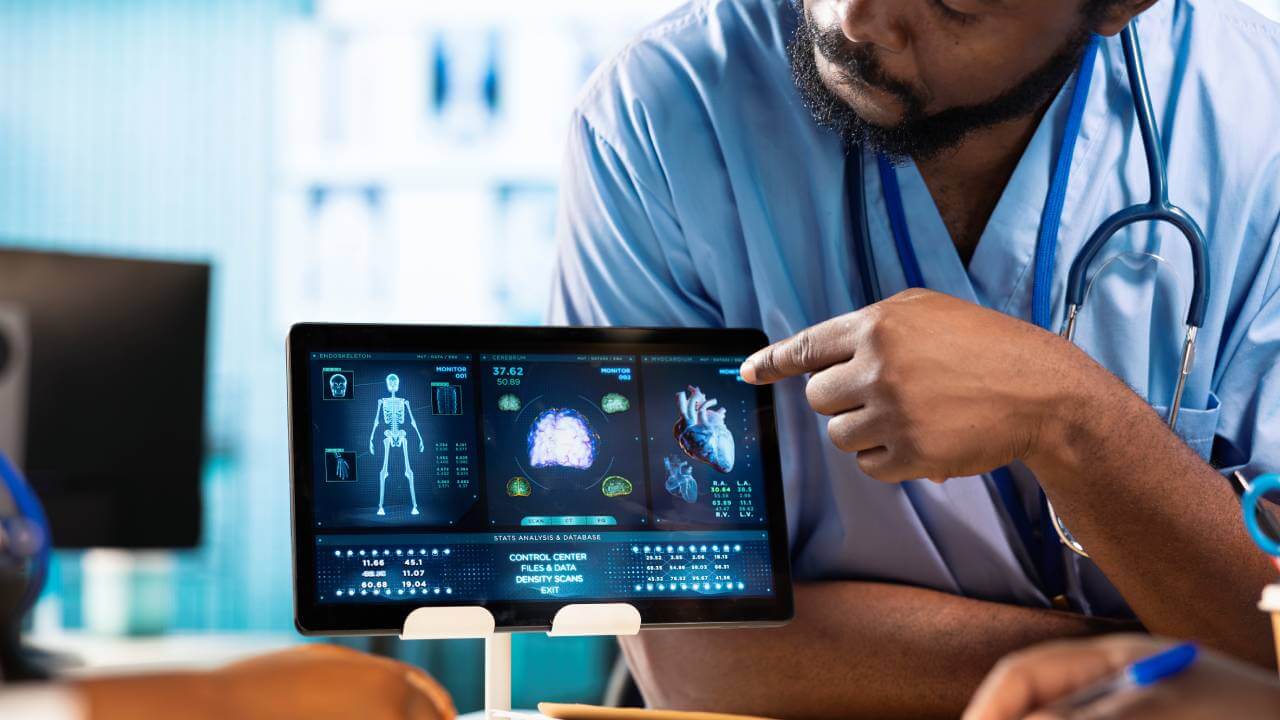
Choosing the right Hospital ERP system is one of the most important decisions a healthcare facility can make. With many options available, hospitals need a solution that is not only powerful but also practical for the Kenyan environment. This is where Tiwi POS stands out.
Unlike generic systems that require heavy customization, Tiwi POS is designed with local healthcare needs in mind. It combines simplicity, flexibility, and advanced functionality to help hospitals operate efficiently without unnecessary complexity. Whether you are running a small clinic or a large hospital, Tiwi POS provides everything you need in one reliable platform.
5.1 Built for the Kenyan Market
One of the biggest advantages of Tiwi POS is that it is tailored specifically for Kenya.
This means:
- Seamless M-Pesa integration for quick and convenient payments
- Compatibility with local healthcare workflows
- Support for systems like NHIF and SHA processes
Many international systems fail because they don’t adapt to local realities. Tiwi POS eliminates this gap by offering a solution that works perfectly within the Kenyan healthcare ecosystem.
5.2 Easy to Use
A system is only effective if staff can use it comfortably. Hospitals cannot afford long training periods or complicated interfaces.
Tiwi POS is designed with simplicity in mind:
- Clean and intuitive dashboard
- Easy navigation for all departments
- Minimal training required for staff
This ensures that doctors, nurses, and administrative staff can quickly adopt the system and start using it effectively from day one.
5.3 Cloud-Based System
Modern hospitals need flexibility, and cloud technology makes this possible.
With Tiwi POS:
- Data can be accessed from anywhere
- No need for heavy on-site servers
- Automatic updates and backups
This is especially useful for hospitals with multiple branches or remote operations. Management can monitor performance and access reports in real time, regardless of location.
5.4 Scalable for Growth
Healthcare facilities are constantly evolving. A small clinic today can grow into a multi-branch hospital tomorrow.
Tiwi POS is built to scale:
- Supports increasing patient volumes
- Expands with additional departments
- Adapts to multi-branch operations
This means you won’t outgrow the system. Instead, it grows with your business, making it a long-term investment.
5.5 All-in-One Solution
One of the biggest strengths of Tiwi POS is that it combines multiple systems into one platform.
Instead of using separate tools for:
- Patient management
- Billing and payments
- Pharmacy and inventory
- Financial tracking
Everything is integrated into a single system.
This all-in-one approach:
- Reduces complexity
- Improves efficiency
- Eliminates the need for multiple software subscriptions
With Tiwi POS, hospitals get a complete Hospital ERP system that simplifies operations while delivering powerful performance.
6. Healthcare Facilities That Benefit from ERP Systems
A Hospital ERP system is not limited to large hospitals—it is a flexible solution that can benefit different types of healthcare facilities across Kenya. Whether it’s a busy private hospital in Nairobi or a small clinic in a rural town, the need for efficiency, accuracy, and better patient care is the same.
What makes systems like Tiwi POS powerful is their ability to adapt to different healthcare environments. Instead of a one-size-fits-all approach, they provide tools that suit each facility’s unique needs. Let’s look at how different healthcare providers can benefit from adopting an ERP system.
6.1 Private Hospitals
Private hospitals often handle a high number of patients and offer a wide range of services—from outpatient care to specialized treatments.
Managing all these operations manually can quickly become overwhelming.
With a Hospital ERP system:
- Patient records are easily accessible across departments
- Billing is automated and accurate
- Doctors and staff can coordinate seamlessly
For private hospitals, this means faster service delivery, fewer errors, and improved patient satisfaction.
With Tiwi POS, private hospitals can maintain a professional and efficient system that supports both clinical care and business operations.
6.2 Clinics and Health Centers
Many clinics and health centers in Kenya operate with limited staff and resources. In such environments, efficiency is everything.
Without a proper system:
- Staff may struggle with paperwork
- Patient records can get lost or mixed up
- Billing may not be consistent
A Hospital ERP system simplifies daily operations by:
- Digitizing patient registration
- Automating billing
- Reducing administrative workload
With Tiwi POS, even small clinics can operate like modern healthcare facilities—organized, efficient, and patient-focused.
6.3 Pharmacies
Pharmacies play a critical role in healthcare, but managing stock manually can lead to serious challenges.
Common issues include:
- Running out of essential drugs
- Overstocking slow-moving items
- Errors in dispensing medication
A Hospital ERP system provides real-time inventory tracking, ensuring that:
- Stock levels are always accurate
- Alerts are triggered when items are low
- Sales and dispensing are recorded automatically
With Tiwi POS, pharmacies can manage inventory efficiently while also integrating with billing and patient records for a seamless workflow.
6.4 Diagnostic Laboratories
Laboratories require precision and speed. From test requests to results delivery, every step must be accurate and well-coordinated.
Without a system:
- Test records may be delayed or misplaced
- Communication between departments can break down
- Results may take longer to process
A Hospital ERP system helps labs by:
- Digitizing test requests and results
- Ensuring accurate data management
- Speeding up communication between doctors and lab technicians
With Tiwi POS, diagnostic labs can improve turnaround times and deliver more reliable results to patients.
6.5 Multi-Branch Medical Facilities
Healthcare providers with multiple branches face unique challenges. Managing operations across different locations can be difficult without a centralized system.
Common issues include:
- Lack of visibility across branches
- Inconsistent reporting
- Difficulty tracking performance
A cloud-based Hospital ERP system solves this by:
- Connecting all branches in one system
- Providing real-time data from each location
- Allowing centralized management and reporting
With Tiwi POS, multi-branch facilities can operate as one unified system, ensuring consistency, efficiency, and better control across all locations.
7. How to Choose the Best Hospital ERP System in Kenya
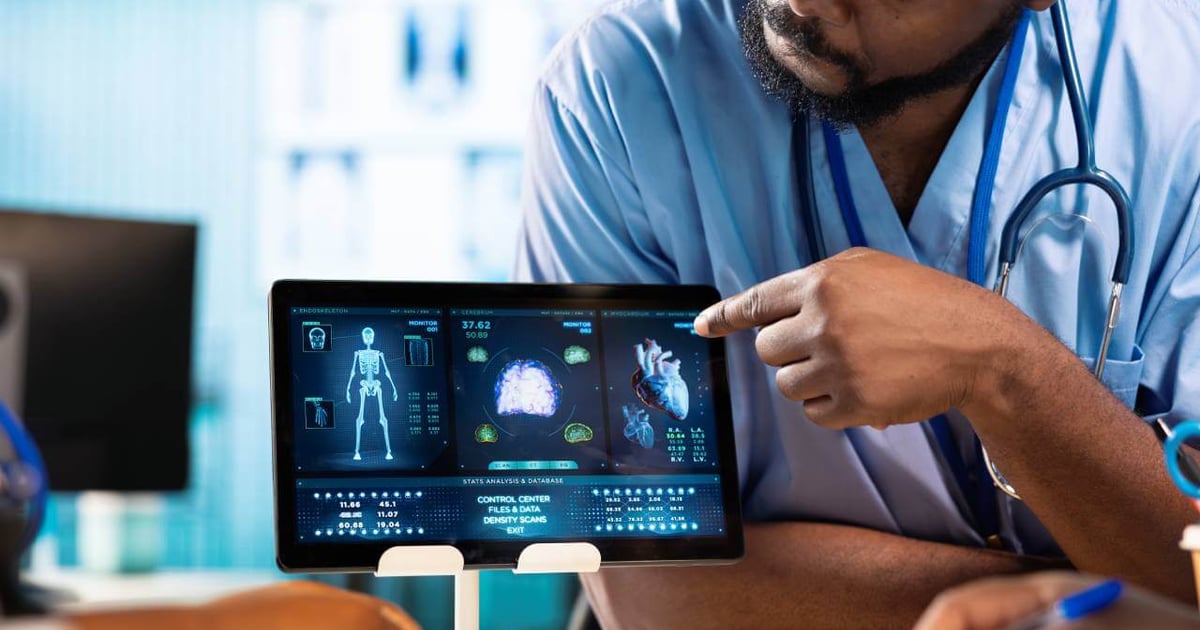
Choosing the right Hospital ERP system is a critical step for any healthcare facility. The system you select will directly affect how your hospital operates, how your staff performs, and how your patients experience your services.
In Kenya, where healthcare facilities are rapidly modernizing, it’s important to choose a system that not only meets global standards but also aligns with local needs. A good ERP system should simplify your work—not complicate it.
Solutions like Tiwi POS stand out because they are designed with real healthcare challenges in mind, offering practical features that work seamlessly in everyday hospital environments.
7.1 Ease of Use
A Hospital ERP system should make work easier, not harder. If the system is complicated, staff will struggle to use it, leading to delays and frustration.
When evaluating ease of use, consider:
- How simple the interface looks
- How quickly staff can learn the system
- Whether daily tasks can be completed with minimal steps
In busy hospitals, there’s no time for long training sessions or confusing dashboards.
Tiwi POS is built with a user-friendly interface that allows doctors, nurses, and administrative staff to quickly adapt and start using the system effectively from day one.
7.2 Integration Capabilities (M-Pesa, NHIF)
In Kenya, integration with local systems is not optional—it’s essential.
A good Hospital ERP system should support:
- M-Pesa payments for fast and convenient transactions
- NHIF/SHA integration for insurance claims and reimbursements
- Compatibility with other healthcare and financial systems
Without these integrations, hospitals may face delays in payments and inefficient workflows.
Tiwi POS offers seamless integration with M-Pesa and supports local healthcare processes, making it a practical solution for Kenyan facilities.
7.3 Customization Options
Every healthcare facility is different. A small clinic does not operate the same way as a large hospital, and your ERP system should reflect that.
Look for a system that allows:
- Custom workflows based on your operations
- Flexible modules that can be added or removed
- Adaptation to different departments and services
Customization ensures that the system works for you—not the other way around.
With Tiwi POS, hospitals can tailor the system to fit their unique needs, whether they are focusing on outpatient services, pharmacy management, or multi-department operations.
7.4 Cost vs Value
Cost is always an important factor, but it should not be the only consideration. The cheapest system may end up costing more in the long run if it lacks essential features or reliability.
Instead, focus on value:
- Does the system improve efficiency?
- Does it reduce errors and save time?
- Does it support long-term growth?
A good ERP system should be an investment that delivers returns through improved operations and increased revenue.
Tiwi POS offers a balance between affordability and functionality, making it accessible to both small clinics and large hospitals.
7.5 Vendor Support and Training
Even the best system requires proper support. Without reliable assistance, hospitals may struggle during implementation or when issues arise.
Consider:
- Availability of customer support
- Training provided for staff
- Ongoing system updates and improvements
Strong support ensures that your system continues to run smoothly without disruptions.
With Tiwi POS, healthcare providers benefit from dedicated support and training, ensuring a smooth transition and continuous system performance.
8. Implementation Process of a Hospital ERP System
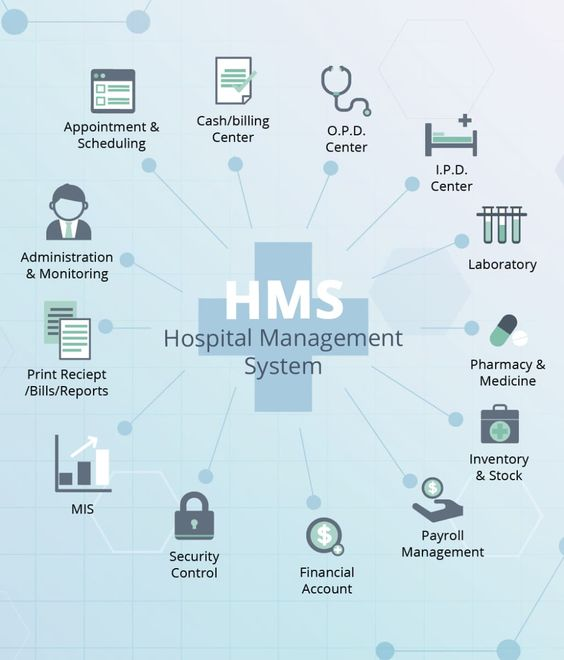
Implementing a Hospital ERP system is a major step toward transforming how a healthcare facility operates. While the benefits are clear, the success of the system depends largely on how well it is introduced and adopted.
In Kenya, many hospitals worry that implementation might be complicated or disruptive. However, with the right approach—and a reliable system like Tiwi POS—the transition can be smooth, structured, and highly rewarding.
The implementation process is not just about installing software. It’s about aligning technology with your hospital’s daily operations, training your team, and ensuring everything runs efficiently from day one.
8.1 Needs Assessment
The first step in implementing a Hospital ERP system is understanding your hospital’s specific needs.
Every facility is different, so it’s important to evaluate:
- Current challenges (e.g., billing errors, lost records, long queues)
- Departments that need improvement
- Key processes that should be automated
This step helps you identify what features are most important for your operations.
With Tiwi POS, this process is simplified by offering flexible modules that can be aligned with your hospital’s exact requirements.
8.2 System Customization
Once your needs are clear, the next step is to tailor the system to match your workflow.
Customization may include:
- Setting up departments (reception, consultation, pharmacy, billing)
- Configuring payment methods like M-Pesa
- Adjusting workflows to match your daily operations
A well-customized system ensures that staff can work naturally without having to change how they operate drastically.
Tiwi POS allows healthcare facilities to customize their setup easily, ensuring the system fits seamlessly into existing processes.
8.3 Staff Training
Technology is only effective when people know how to use it. Training is a crucial step in ensuring a successful ERP implementation.
Staff should be guided on:
- How to register patients
- How to use the billing system
- How to access and update records
- How different departments interact within the system
Proper training builds confidence and reduces resistance to change.
With Tiwi POS, training is straightforward due to its user-friendly design, allowing staff to quickly adapt and become productive.
8.4 Deployment
Deployment is where the system goes live and starts being used in real operations.
This phase involves:
- Migrating existing data (if available)
- Launching the system across departments
- Monitoring initial usage and performance
It’s important to ensure that everything is working correctly during this stage to avoid disruptions.
With Tiwi POS, deployment is designed to be smooth and efficient, minimizing downtime and ensuring continuity of services.
8.5 Continuous Support
Implementation doesn’t end after deployment. Ongoing support is essential to ensure the system continues to perform well.
This includes:
- Technical support for any issues
- Regular system updates
- Assistance with new features or scaling
Continuous support ensures that the system evolves with your hospital’s needs.
With Tiwi POS, healthcare providers benefit from reliable support and updates, ensuring long-term success and stability.
9. Challenges of Hospital ERP Implementation (And Solutions)

Implementing a Hospital ERP system is a powerful step toward modernization, but like any major change, it can come with challenges. Many hospitals in Kenya hesitate to adopt new systems because they fear disruption, high costs, or resistance from staff.
The good news is that these challenges are common—and more importantly, they are manageable. With the right strategy and a user-friendly system like Tiwi POS, hospitals can overcome these obstacles and transition smoothly into a more efficient, digital environment.
Let’s explore the most common challenges and how to solve them effectively.
9.1 Resistance to Change
One of the biggest challenges in any organization is resistance from staff. People are naturally comfortable with familiar processes, even if those processes are inefficient.
In hospitals, staff may worry that:
- The new system will be difficult to use
- It will slow down their work
- They might make mistakes while learning
This resistance can delay implementation and reduce the effectiveness of the system.
Solution:
The key is involvement and communication. Staff should be:
- Introduced to the system early
- Shown how it will make their work easier
- Supported throughout the transition
With Tiwi POS, the simple and intuitive design helps reduce fear and encourages faster adoption among staff.
9.2 Training Requirements
A new system requires training, and without proper guidance, staff may struggle to use it effectively.
Common issues include:
- Incomplete understanding of system features
- Errors in data entry
- Slow adoption across departments
If training is rushed or unclear, it can lead to frustration and inefficiency.
Solution:
Provide structured and practical training sessions that focus on daily tasks.
Effective training should:
- Be hands-on and easy to follow
- Cover real hospital workflows
- Include ongoing support after initial training
With Tiwi POS, training is simplified due to its user-friendly interface, allowing staff to learn quickly and confidently.
9.3 Initial Costs
Cost is often a concern, especially for small clinics and growing healthcare facilities.
Hospitals may worry about:
- Software purchase costs
- Implementation expenses
- Training and setup fees
This can make decision-makers hesitant to invest in an ERP system.
Solution:
Focus on long-term value rather than short-term cost.
A good ERP system:
- Reduces operational inefficiencies
- Minimizes financial errors
- Improves revenue tracking and collection
Over time, these benefits outweigh the initial investment.
Tiwi POS offers an affordable solution designed for the Kenyan market, making it accessible without compromising on functionality.
9.4 Data Migration Issues
Moving from manual records or older systems to a new ERP can be challenging.
Common concerns include:
- Loss of important data
- Errors during data transfer
- Difficulty organizing old records
Poor data migration can affect system performance and reliability.
Solution:
Plan the migration process carefully and ensure proper data handling.
Best practices include:
- Cleaning and organizing data before migration
- Testing the system with sample data
- Verifying accuracy after transfer
With Tiwi POS, the migration process is guided and structured, ensuring that critical data is transferred safely and accurately.
By addressing these challenges proactively, hospitals can ensure a smooth and successful ERP implementation. With the right system and support, the transition becomes less about disruption and more about growth, efficiency, and improved patient care.
10. Future of Hospital ERP Systems in Kenya

The future of healthcare in Kenya is becoming increasingly digital, and Hospital ERP systems are at the center of this transformation. As hospitals continue to grow and patient expectations rise, technology is no longer just supporting healthcare—it is redefining how care is delivered.
From small clinics to large hospitals, the shift toward smarter, faster, and more connected systems is already underway. Solutions like Tiwi POS are not just meeting current needs but are also aligning with future trends that will shape the healthcare industry in the years ahead.
10.1 Cloud-Based Healthcare Systems
Cloud technology is rapidly becoming the standard for modern hospital systems.
Instead of relying on physical servers, hospitals can now:
- Access data from anywhere
- Store information securely online
- Receive automatic updates without manual installations
This is especially important in Kenya, where healthcare providers may operate across multiple locations.
With cloud-based systems like Tiwi POS, hospitals benefit from:
- Real-time access to data
- Reduced infrastructure costs
- Improved system reliability
Cloud ERP systems make healthcare more flexible, scalable, and accessible.
10.2 Mobile Accessibility
Healthcare is no longer confined to desks and offices. Doctors, nurses, and administrators need access to information on the move.
Mobile accessibility allows:
- Doctors to view patient records from their phones or tablets
- Managers to monitor operations remotely
- Faster communication across departments
This improves response time and enhances patient care.
With Tiwi POS, healthcare providers can access key system features remotely, making it easier to manage operations anytime, anywhere.
10.3 AI and Automation
Artificial Intelligence (AI) and automation are beginning to transform healthcare systems worldwide—and Kenya is no exception.
In Hospital ERP systems, AI can:
- Assist in data analysis and reporting
- Predict patient trends and resource needs
- Automate repetitive administrative tasks
Automation reduces human error and frees up staff to focus more on patient care.
As systems like Tiwi POS continue to evolve, the integration of intelligent features will further enhance efficiency and decision-making in healthcare facilities.
10.4 Integration with National Systems (NHIF, SHA)
As Kenya continues to digitize its healthcare infrastructure, integration with national systems is becoming increasingly important.
Hospitals need ERP systems that can connect with:
- NHIF (National Health Insurance Fund)
- SHA (Social Health Authority)
- Other regulatory and insurance platforms
This integration helps:
- Simplify claims processing
- Improve accuracy in billing
- Ensure compliance with national healthcare standards
Tiwi POS is designed with the local ecosystem in mind, making it easier for healthcare providers to align with national systems and streamline their operations.
The future of Hospital ERP systems in Kenya is clear—more connected, more intelligent, and more accessible. Hospitals that embrace these advancements early will be better positioned to deliver high-quality care while staying efficient and competitive.
11. Common Questions About Hospital ERP Systems in Kenya

As more healthcare facilities in Kenya explore digital solutions, many decision-makers have important questions about Hospital ERP systems. Whether you run a small clinic or a large hospital, understanding how these systems work can help you make the right choice.
Below are some of the most common questions—and clear answers to guide you.
11.1 What is a hospital ERP system?
A Hospital ERP system is an all-in-one software solution that helps manage the entire operation of a healthcare facility.
It connects different departments such as:
- Patient registration
- Consultation and treatment
- Pharmacy and inventory
- Billing and finance
Instead of using multiple systems or manual processes, everything is managed in one centralized platform. This improves efficiency, reduces errors, and enhances patient care.
11.2 Can small clinics use ERP systems?
Yes, absolutely. Hospital ERP systems are not only for large hospitals.
In fact, small clinics benefit greatly because:
- They can organize patient records digitally
- Billing becomes faster and more accurate
- Administrative workload is reduced
Modern systems like Tiwi POS are designed to be scalable, meaning they can work for small clinics and grow with the business over time.
11.3 Does it support M-Pesa payments?
Yes, most modern Hospital ERP systems in Kenya support M-Pesa integration.
This allows hospitals to:
- Accept payments quickly and conveniently
- Reduce cash handling risks
- Automatically record transactions in the system
Tiwi POS offers seamless M-Pesa integration, making it easier for patients to pay and for hospitals to manage their finances efficiently.
11.4 How much does it cost in Kenya?
The cost of a Hospital ERP system in Kenya varies depending on:
- The size of the facility
- The features required
- The level of customization
However, it’s important to view ERP systems as an investment rather than an expense.
A good system helps:
- Reduce operational costs
- Improve revenue tracking
- Increase efficiency
Tiwi POS is designed to be affordable while still offering powerful features, making it accessible to a wide range of healthcare providers.
11.5 How long does implementation take?
The implementation time depends on the size and complexity of the healthcare facility.
In general:
- Small clinics can be set up within a short period
- Larger hospitals may take longer due to customization and training
The process typically includes setup, training, and system deployment.
With Tiwi POS, implementation is streamlined and supported, ensuring a smooth transition with minimal disruption to daily operations.
Upgrade Your Hospital with a Modern ERP System
The healthcare sector in Kenya is rapidly evolving, and hospitals can no longer rely on outdated manual systems to manage their operations. A Hospital ERP system provides the efficiency, accuracy, and scalability needed to handle modern healthcare demands while improving patient experiences.
By integrating all hospital processes into one platform, healthcare providers can reduce errors, save time, and make better decisions based on real-time data. From patient management to billing and inventory, ERP systems are becoming essential tools for growth and sustainability.
If you are ready to modernize your healthcare facility, now is the perfect time to take action. Visit https://tiwi.co.ke/ today and discover how Tiwi POS Hospital ERP System can help you streamline operations, increase revenue, and deliver better patient care.