Property ERP System Kenya: A Complete Guide by Tiwi POS

As Kenya’s real estate sector continues to expand, the need for more advanced and integrated management systems has become increasingly important. A Property ERP system goes beyond basic property management by combining enterprise resource planning capabilities with real estate operations, enabling businesses to manage finance, leasing, tenant data, maintenance, and reporting within a single unified platform. With powerful solutions from TIWI POS, real estate companies can streamline complex processes and achieve greater operational efficiency across all departments.
Modern Property ERP systems are designed to support large-scale operations, making them ideal for developers, property management firms, and organizations handling extensive property portfolios. Integration with digital payment platforms like M-Pesa ensures seamless rent collection and financial tracking, while compliance with Kenya Revenue Authority requirements helps businesses maintain accurate records and meet regulatory standards. TIWI POS delivers robust ERP solutions that provide real-time insights, automation, and centralized control, eliminating inefficiencies caused by fragmented systems.
This guide provides a complete overview of Property ERP systems in Kenya, covering essential features, benefits, costs, and how to select the right solution for your business. Unlike basic tools, ERP systems offer full visibility and control across multiple operations, empowering organizations to make data-driven decisions, optimize performance, and scale their real estate investments with confidence using TIWI POS as a trusted technology partner.
1. What a Property ERP System Is

A Property ERP (Enterprise Resource Planning) system is an advanced platform that integrates all key business processes in real estate into a single, centralized system. It goes beyond basic property management by connecting financials, operations, and analytics for complete control and visibility.
1.1 Definition
A Property ERP system is software that integrates core business processes such as accounting, leasing, and operations into one unified platform.
- Centralized system – Combines financial, operational, and administrative functions.
- Integrated modules – Includes accounting, leasing, reporting, and asset management.
- Real-time data – Provides up-to-date insights across all departments.
This enables businesses to manage all property-related activities from a single system.
1.2 How It Differs from Standard PMS
Property ERP systems are more comprehensive than standard Property Management Systems (PMS).
- PMS focus – Primarily handles rent collection, tenants, and basic property operations.
- ERP scope – Includes finance, HR, procurement, CRM, and advanced analytics.
- Enterprise capabilities – Supports large-scale operations and multiple departments.
This makes ERP systems suitable for organizations that need full business integration.
1.3 Who Uses Property ERP Systems
Property ERP systems are used by organizations managing complex and large-scale property operations.
- Real estate companies – Manage multiple properties and portfolios.
- Property developers – Oversee projects, finances, and operations.
- Facility management firms – Handle maintenance and service delivery.
- Large landlords – Manage extensive rental portfolios efficiently.
These systems help users coordinate multiple business functions from one platform.
A Property ERP system is a comprehensive solution that integrates accounting, leasing, operations, and analytics into a single platform. Unlike standard PMS solutions that focus mainly on rent and tenants, ERP systems provide full business integration, making them ideal for real estate companies, developers, and large property portfolios. By acting as a single source of truth, they improve efficiency, accuracy, and decision-making across all property operations.
2. Key Features of Property ERP Systems

Property ERP systems bring together all aspects of real estate management into one platform, offering complete control over financials, operations, tenants, and projects. These features enable organizations to manage complex property portfolios efficiently.
2.1 Financial Management
Financial management is a core component of any Property ERP system, ensuring accurate and transparent financial operations.
- General ledger – Maintains a complete record of all financial transactions.
- Accounts payable/receivable – Tracks incoming and outgoing payments.
- Automated rent billing – Generates invoices and reconciles payments automatically.
- Tax compliance – Supports VAT, withholding tax, and regulatory requirements.
This ensures financial accuracy and simplifies accounting processes.
2.2 Property & Lease Management
Property and lease management features help track and manage rental agreements effectively.
- Unit tracking – Monitors all properties and available units.
- Tenant management – Links tenants to specific units and leases.
- Lease automation – Handles renewals and rent escalations automatically.
- Contract tracking – Keeps records of lease agreements and terms.
This improves organization and ensures smooth lease management.
2.3 CRM & Tenant Management
CRM and tenant management features help build strong relationships and improve communication.
- Lead management – Tracks potential tenants and prospects.
- Tenant records – Stores personal details, contracts, and payment history.
- Communication tools – Enable messaging via SMS, email, or in-app notifications.
- Interaction history – Maintains a record of all communications.
This enhances tenant engagement and improves service delivery.
2.4 Maintenance & Asset Management
Maintenance and asset management ensure properties remain in good condition and operational.
- Repair scheduling – Assign and track maintenance tasks.
- Preventive maintenance – Plan regular inspections and servicing.
- Asset tracking – Monitor property assets and equipment.
- Cost tracking – Record maintenance expenses and budgets.
This helps maintain property value and reduces long-term costs.
2.5 Project & Construction Management
Property ERP systems also support real estate development and construction projects.
- Project tracking – Monitors timelines, budgets, and milestones.
- Resource allocation – Assigns labor, materials, and finances efficiently.
- Progress monitoring – Tracks development stages and completion status.
- Cost control – Helps manage project budgets and expenses.
This ensures projects are completed on time and within budget.
2.6 Reporting & Analytics
Reporting and analytics provide valuable insights into business performance.
- Real-time dashboards – Displays financial and operational data instantly.
- Occupancy analysis – Tracks vacancy and occupancy rates.
- Revenue insights – Monitors income and profitability.
- Performance metrics – Evaluates overall business efficiency.
These insights support data-driven decision-making and strategic planning.
Property ERP systems offer powerful features, including financial management, property and lease tracking, CRM, maintenance management, project oversight, and advanced analytics. These capabilities provide end-to-end control over real estate operations, enabling organizations to improve efficiency, maintain accuracy, and make informed decisions for long-term growth.
3. Examples of Property ERP Systems in Kenya

Kenya has a range of Property ERP systems that cater to different levels of real estate operations—from lightweight platforms for SMEs to full enterprise solutions for large developers. These systems integrate financials, operations, and tenant management into one platform.
3.1 Aqiq Real Estate ERP
Aqiq Real Estate ERP is a comprehensive platform that integrates property management with project management and CRM capabilities.
- Integrated modules – Combines leasing, CRM, and project tracking.
- Project management tools – Monitors construction progress, budgets, and timelines.
- CRM functionality – Manages leads, tenants, and client interactions.
This system is ideal for property developers and large real estate firms managing complex operations.
3.2 INSYS Property ERP
INSYS Property ERP is a full enterprise solution that integrates multiple business functions into one system.
- Comprehensive modules – Covers HR, finance, procurement, and property operations.
- Multi-platform access – Available on mobile and cloud-based systems.
- Advanced reporting – Provides insights across all departments.
This makes it suitable for large organizations and property management firms.
3.3 Honsoft Property ERP (HPMS)
Honsoft Property ERP (HPMS) focuses on financial management and rental operations.
- Rental collection – Automates rent billing and payment tracking.
- Invoicing system – Generates invoices and financial records.
- Financial reporting – Provides detailed income and expense analysis.
- Centralized records – Stores all property and tenant data in one place.
This system is ideal for organizations that prioritize financial control and automation.
3.4 FortyPMS (ERP-like PMS)
FortyPMS is a cloud-based platform that offers ERP-like capabilities while remaining simple and accessible.
- Tenant management – Tracks tenants, leases, and communication.
- Payment processing – Manages rent collection and financial tracking.
- Maintenance management – Handles repair requests and tracking.
- Reporting tools – Provide insights into property performance.
It is well-suited for SMEs looking to transition from basic PMS to more advanced ERP systems.
Property ERP systems in Kenya range from lightweight platforms like FortyPMS to full enterprise solutions like INSYS and Aqiq ERP. These systems integrate property management, financials, CRM, and project management, providing scalable solutions for developers, agencies, and large landlords. By choosing the right ERP system, businesses can streamline operations, improve efficiency, and support long-term growth.
4. Benefits of Property ERP Systems
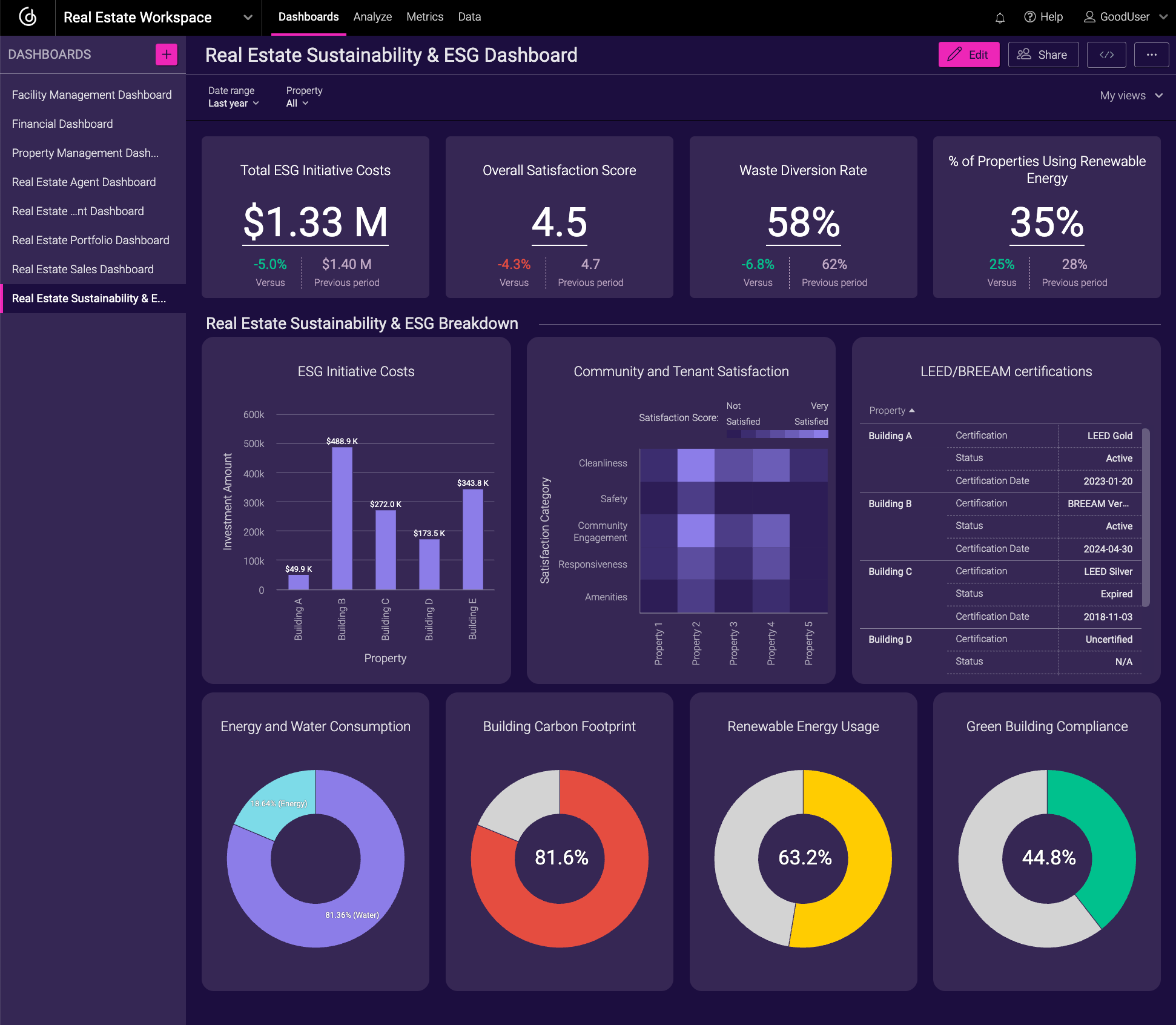
Property ERP systems provide powerful advantages by integrating all business processes into a single platform. They help real estate companies improve efficiency, maintain control, and scale operations effectively.
4.1 Centralized Operations
Property ERP systems bring all departments and operations into one unified platform.
- Single system control – Manage finance, leasing, HR, and operations in one place.
- Data consistency – Eliminates duplication and ensures accuracy across departments.
- Improved coordination – Enhances communication between teams.
This centralization simplifies management and improves overall efficiency.
4.2 Improved Financial Control
ERP systems provide accurate and transparent financial management.
- Detailed reporting – Tracks income, expenses, and financial performance.
- Audit trails – Maintain records of all financial transactions.
- Compliance support – Helps meet tax and regulatory requirements.
This ensures better financial oversight and accountability.
4.3 Automation of Tasks
Automation is a key benefit of ERP systems, reducing manual work and errors.
- Automated billing – Generates rent invoices and payment records.
- Workflow automation – Handles routine tasks such as reporting and notifications.
- Error reduction – Minimizes human mistakes in calculations and data entry.
This improves efficiency and frees up time for strategic tasks
4.4 Better Decision-Making
ERP systems provide real-time insights that support informed decision-making.
- Live dashboards – Display key performance indicators instantly.
- Data analysis – Identifies trends in occupancy, revenue, and costs.
- Strategic insights – Helps plan investments and growth strategies.
These insights enable businesses to make smarter and faster decisions.
4.5 Scalability
Property ERP systems are designed to support business growth and expansion.
- Multi-property management – Easily handle large portfolios.
- Flexible expansion – Add new properties and modules as needed.
- Centralized control – Manage all operations from one system.
This makes ERP systems ideal for growing real estate businesses.
Property ERP systems offer key benefits such as centralized operations, improved financial control, task automation, better decision-making, and scalability. By integrating all business functions into one platform, they help real estate companies operate more efficiently, reduce errors, and support long-term growth while maintaining full control over their operations.
5. ERP vs Property Management Software

Understanding the difference between Property Management Software (PMS) and Property ERP systems is essential when choosing the right solution. While both systems help manage properties, they differ significantly in scope, features, and scalability.
Visual Comparison Overview
| Feature | Property Management Software | Property ERP System |
|---|---|---|
| Scope | Rent & tenants | Full business operations |
| Finance | Basic reporting | Advanced accounting |
| Integration | Limited | Fully integrated modules |
| Scalability | Small–medium | Medium–enterprise |
| Use Case | Landlords | Real estate companies |
Scope and Functionality
Property Management Software focuses mainly on handling rent collection, tenant records, and basic property operations. It is designed for day-to-day rental management.
- PMS scope – Limited to tenants, leases, and rent tracking.
- ERP scope – Covers finance, HR, procurement, CRM, and operations.
- Operational depth – ERP provides a broader and more integrated system.
This makes ERP systems more suitable for businesses with complex workflows.
Financial Capabilities
Financial management is one of the biggest differences between PMS and ERP systems.
- PMS financials – Basic reports such as rent summaries and income tracking.
- ERP financials – Full accounting systems including general ledger, audits, and tax compliance.
- Accuracy and control – ERP offers deeper financial insights and control.
ERP systems are ideal for organizations requiring detailed financial oversight.
Integration and Automation
Integration determines how well different business functions work together.
- PMS integration – Limited, often standalone systems.
- ERP integration – Fully connected modules across departments.
- Automation – ERP automates workflows across finance, HR, and operations.
This allows ERP systems to eliminate silos and improve efficiency.
Scalability and Use Case
The size and complexity of your business determine which system is more suitable.
- PMS users – Individual landlords and small to medium property managers.
- ERP users – Real estate companies, developers, and large portfolios.
- Scalability – ERP systems are designed for expansion and multi-department operations.
Choosing the right system depends on current needs and future growth plans.
Property Management Software is best suited for landlords and small to medium property managers who need basic tools for rent and tenant management. In contrast, Property ERP systems provide full business integration, advanced financial control, and scalability for large real estate companies. For complex, multi-department property operations, ERP systems offer a more powerful and future-ready solution.
6. Cost of Property ERP Systems in Kenya
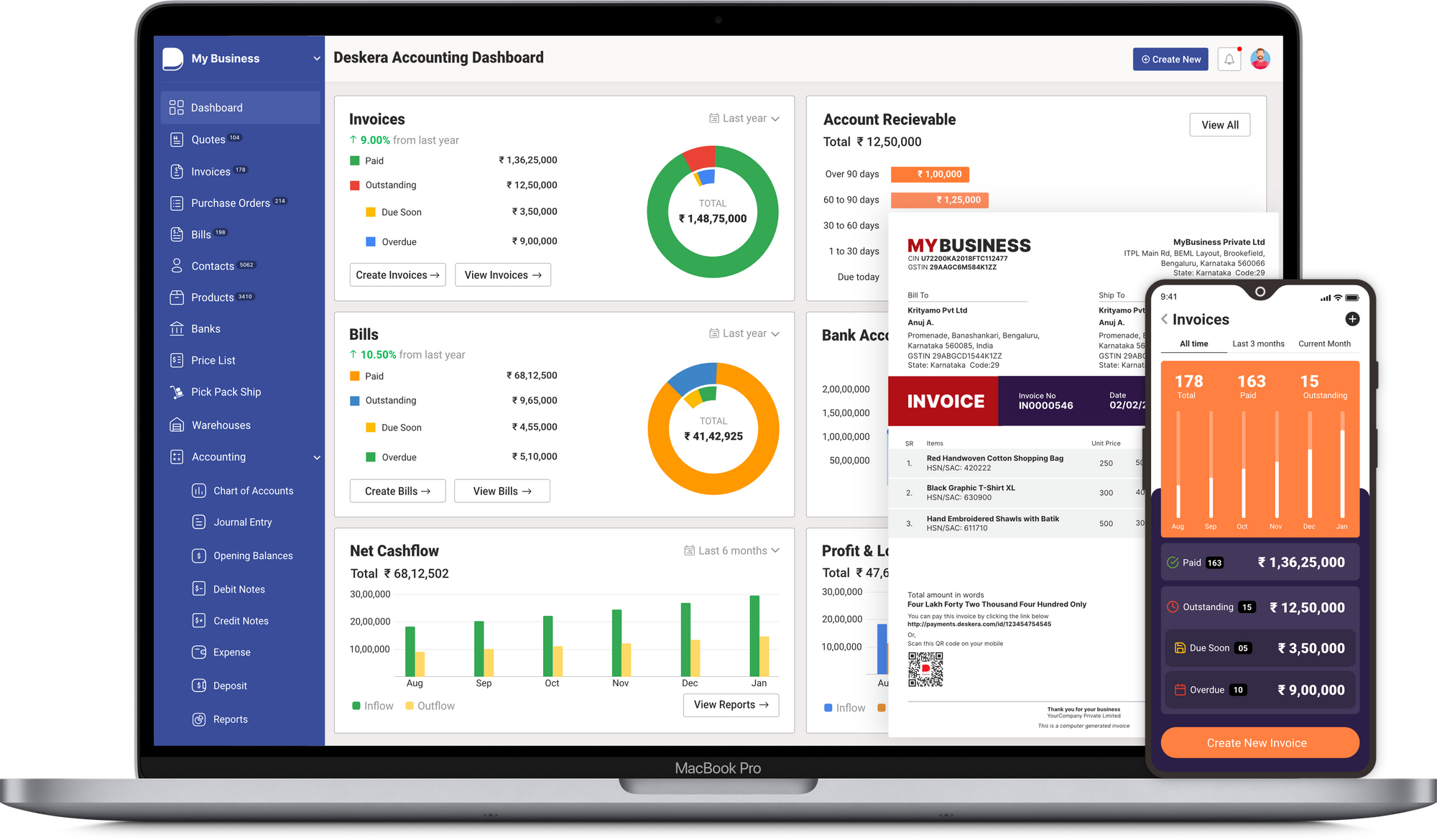
The cost of Property ERP systems in Kenya varies depending on implementation complexity, number of modules, and level of customization. While ERP systems are generally more expensive than standard property management software, they provide greater value for large and complex organizations.
6.1 Implementation Costs
Implementation is often the highest initial cost when adopting a Property ERP system.
- System setup – Configuration of modules based on business needs.
- Customization – Tailoring features to match workflows and processes.
- Training – Ensuring staff understand how to use the system effectively.
These costs are essential to ensure the system is properly deployed and fully utilized.
6.2 Subscription or Licensing
Property ERP systems are typically offered through subscription or licensing models.
- Subscription-based pricing – Monthly or annual payments for cloud-based systems.
- Licensing model – One-time payment for on-premise systems with optional support fees.
- Module-based pricing – Costs increase depending on features such as finance, HR, CRM, and analytics.
This allows businesses to choose a pricing model that suits their operational needs.
6.3 Custom ERP Solutions
Custom ERP solutions are designed specifically for an organization’s unique requirements.
- Tailored functionality – Built to match specific business workflows.
- Higher upfront cost – Requires development, integration, and testing.
- Long-term value – Offers better alignment with business processes and scalability.
These solutions are ideal for large organizations with complex operations.
The cost of Property ERP systems in Kenya includes implementation expenses, subscription or licensing fees, and customization costs. Although ERP systems are typically more expensive than standard PMS solutions, they deliver greater value by providing full business integration, advanced features, and scalability. For large real estate companies and developers, ERP systems are a worthwhile investment for long-term efficiency and growth.
7. How to Choose the Right Property ERP System

Selecting the right Property ERP system is crucial for ensuring efficient operations, seamless integration, and long-term return on investment. Businesses should evaluate several factors to find a solution that aligns with their needs and growth plans.
7.1 Assess Business Size
Understanding your business size helps determine the type of ERP system required.
- SMEs – May need simpler ERP systems with essential modules.
- Large enterprises – Require advanced features for multi-department operations.
- Operational complexity – Larger portfolios demand more robust systems.
Choosing the right scale ensures you don’t overpay or under-invest in functionality.
7.2 Check Integration Capabilities
Integration capabilities determine how well the ERP system connects with other tools.
- Accounting integration – Links financial systems for accurate reporting.
- Payroll integration – Manages employee salaries and HR processes.
- CRM integration – Tracks tenants, leads, and customer interactions.
- M-Pesa integration – Enables seamless rent and payment processing.
A well-integrated ERP system improves efficiency and reduces data duplication.
7.3 Evaluate Customization
Customization ensures the ERP system fits your specific business processes.
- Flexible workflows – Adapt processes to match your operations.
- Custom modules – Add features specific to your business needs.
- User-specific configurations – Tailor access and dashboards for different roles.
This allows businesses to optimize efficiency and improve usability.
7.4 Consider Local Support
Reliable support is essential for maintaining smooth operations and resolving issues quickly.
- Kenyan-based providers – Offer faster response times and local expertise.
- Training services – Help staff understand and use the system effectively.
- Ongoing maintenance – Ensures updates and troubleshooting are handled efficiently.
Strong local support minimizes downtime and improves system reliability.
7.5 Look at Scalability
Scalability ensures the ERP system can grow with your business over time.
- Multi-property support – Manage expanding portfolios بسهولة.
- Flexible upgrades – Add modules and features as needed.
- Long-term usability – Avoid switching systems as your business grows.
A scalable system supports sustainable growth and future expansion.
Choosing the right Property ERP system involves assessing your business size, checking integration capabilities, evaluating customization options, ensuring reliable local support, and considering scalability. A well-chosen ERP system improves efficiency, enhances control, and delivers long-term return on investment for real estate businesses.
8. FAQs About Property ERP System Kenya
Property ERP systems can seem complex, especially for businesses transitioning from basic property management tools. Below are answers to common questions to help you understand how these systems work in Kenya.
8.1 What is a Property ERP system?
A Property ERP system is a platform that integrates property management with finance, HR, and overall business operations.
- Integrated system – Combines multiple business functions into one platform.
- Centralized data – Provides a single source of truth for all operations.
- Advanced capabilities – Includes accounting, CRM, analytics, and reporting.
It enables organizations to manage complex real estate operations efficiently.
8.2 Is ERP better than PMS?
ERP and PMS serve different purposes depending on business size and complexity.
- ERP systems – Better suited for large businesses with multiple departments.
- PMS systems – Ideal for small landlords focusing on rent and tenants.
- Functionality difference – ERP offers broader capabilities, while PMS is more focused.
Choosing between them depends on your operational needs.
8.3 Do ERP systems support M-Pesa?
Yes, many Property ERP systems in Kenya support M-Pesa and other mobile payment integrations.
- Mobile money support – Enables easy rent collection.
- Automatic tracking – Records payments in real time.
- Convenience – Reduces reliance on cash transactions.
This makes payment processes faster and more efficient.
8.4 Who should use a Property ERP system?
Property ERP systems are designed for organizations managing complex operations.
- Developers – Oversee construction, finances, and property sales.
- Real estate agencies – Manage multiple clients and property portfolios.
- Large landlords – Handle multiple properties and tenants.
- Facility management firms – Manage maintenance and service delivery.
These users benefit from the advanced capabilities of ERP systems.
8.5 Is ERP expensive in Kenya?
Yes, Property ERP systems are generally more expensive than basic property management software.
- Higher initial cost – Includes implementation and customization.
- Advanced features – Offers finance, HR, CRM, and analytics modules.
- Long-term value – Provides scalability and efficiency for growing businesses.
While the cost is higher, ERP systems deliver greater value for large organizations.
Property ERP systems are powerful tools that integrate property management with finance, HR, and business operations. They are best suited for large organizations and offer advanced features, M-Pesa integration, and scalability. Although more expensive than PMS solutions, they provide long-term value by improving efficiency, control, and decision-making in complex real estate operations.
Scale Your Real Estate Business with Property ERP Systems in Kenya.
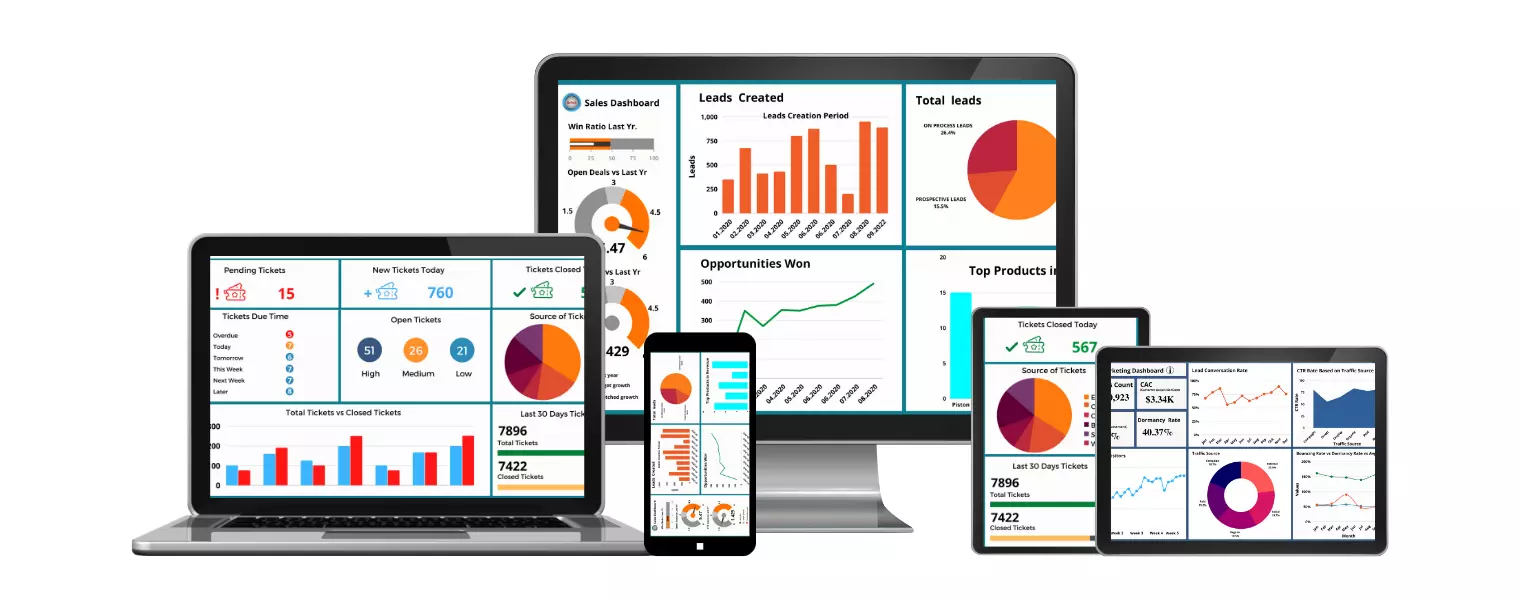
Property ERP systems in Kenya provide real estate businesses with complete control over their operations by centralizing all key functions into a single, powerful platform. From managing property listings and tenant data to overseeing financial transactions, these systems eliminate the inefficiencies of fragmented tools. For property managers and real estate companies handling multiple units or large portfolios, ERP solutions offer the structure and visibility needed to operate with precision and confidence.
By integrating finance, leasing, maintenance, and analytics, Property ERP systems enable seamless coordination across all aspects of property management. This unified approach improves decision-making through real-time insights, automates routine processes, and ensures accurate reporting. While these systems may be more complex than standard property management tools, they are essential for businesses aiming to scale efficiently while maintaining high standards of service and operational excellence.
Choosing the right ERP solution is a strategic step toward sustainable growth. To explore advanced and scalable property ERP systems tailored for the Kenyan market, visit Tiwi POS. Investing in a robust ERP platform enhances productivity, improves transparency, and positions your real estate business for long-term success in Kenya’s competitive property sector.