Point of Sale Systems in Kenya: A Complete Guide by Tiwi POS
Learn why point of sale systems in Kenya lie Tiwi POS are essential for modern businesses seeking integrated and reliable solutions with...
Point of Sale Systems in Kenya: A Complete Guide by Tiwi POS
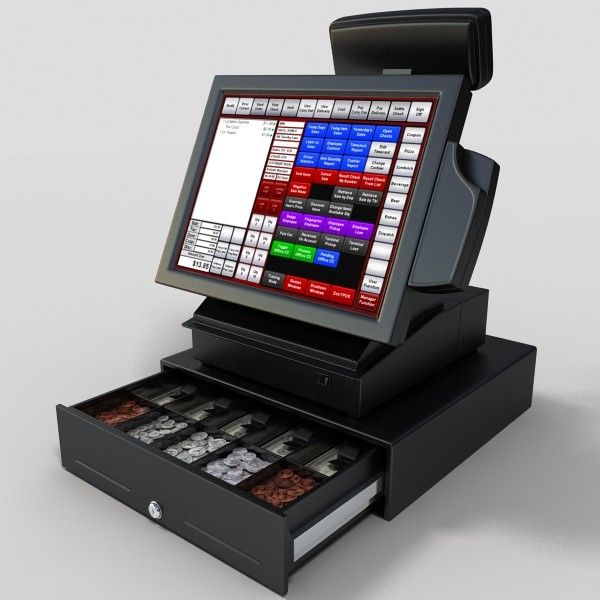
Point of sale (POS) systems have become essential tools for businesses in Kenya, enabling efficient transaction management, accurate inventory tracking, and streamlined reporting. Beyond simple cash handling, POS systems centralize sales data, customer information, and financial records, helping retailers, restaurants, and service providers operate more efficiently and make informed business decisions.
Tiwi POS is specifically tailored to meet the needs of Kenyan businesses. Its features support local operations, from managing daily transactions and monitoring stock levels to generating detailed reports and tracking customer interactions. By integrating these functions in one platform, Tiwi POS simplifies operations and empowers business owners to focus on growth and customer satisfaction.
This complete guide explores what POS systems do, their key features, and benefits, while highlighting how Tiwi POS fits into the Kenyan market. With expert insights, businesses can understand how to implement a POS system effectively, optimize daily operations, and enhance overall efficiency and profitability.
1. What a Point of Sale (POS) System Is
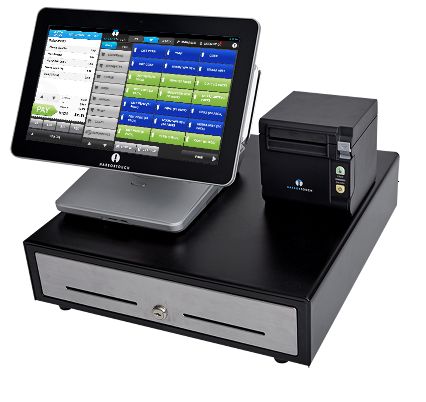
A Point of Sale (POS) system is a digital solution that transforms how businesses process sales, manage inventory, and track daily operations. Below is a detailed breakdown of its core functions, operations, and relevance to Kenyan businesses.
1.1 Definition and Core Purpose
Capabilities
-
POS systems handle sales transactions, record payments, generate receipts, and log sales data automatically.
Operational Advantage
-
Eliminates the need for manual cash registers and paper-based accounting, reducing errors and speeding up checkout processes.
Practical Illustration
-
A retail shop in Nairobi scans items at the counter, processes mobile money or card payments, and prints receipts instantly while updating stock levels in real time.
1.2 How POS Systems Work
Capabilities
-
Scanning product barcodes or QR codes.
-
Calculating totals and taxes automatically.
-
Processing multiple payment methods.
-
Updating inventory, sales reports, and customer data in real time.
Operational Advantage
-
Ensures accurate record-keeping, reduces human error, and provides immediate insights into sales performance.
Practical Illustration
-
In a café, each coffee sold is recorded automatically, stock is adjusted, and daily sales reports can be generated at the end of the day without manual counting.
1.3 Why Kenyan Businesses Need POS
Capabilities
-
Replaces outdated cash registers.
-
Provides faster, more reliable transaction processing.
-
Integrates sales, inventory, and reporting into one platform.
Operational Advantage
-
Enhances customer experience with quicker checkout, prevents revenue losses from miscalculations, and allows better stock and financial management.
Practical Illustration
-
A clothing store in Mombasa can track seasonal stock, monitor top-selling items, and reconcile daily sales digitally rather than manually logging every transaction.
A POS system is more than just a cash register—it is a complete business management tool. For Kenyan businesses, it ensures fast and accurate transactions, automated record-keeping, and integrated inventory and sales management. By adopting a POS system, businesses save time, reduce errors, and gain valuable insights to drive efficiency and growth.
2. Overview of POS Systems in Kenya
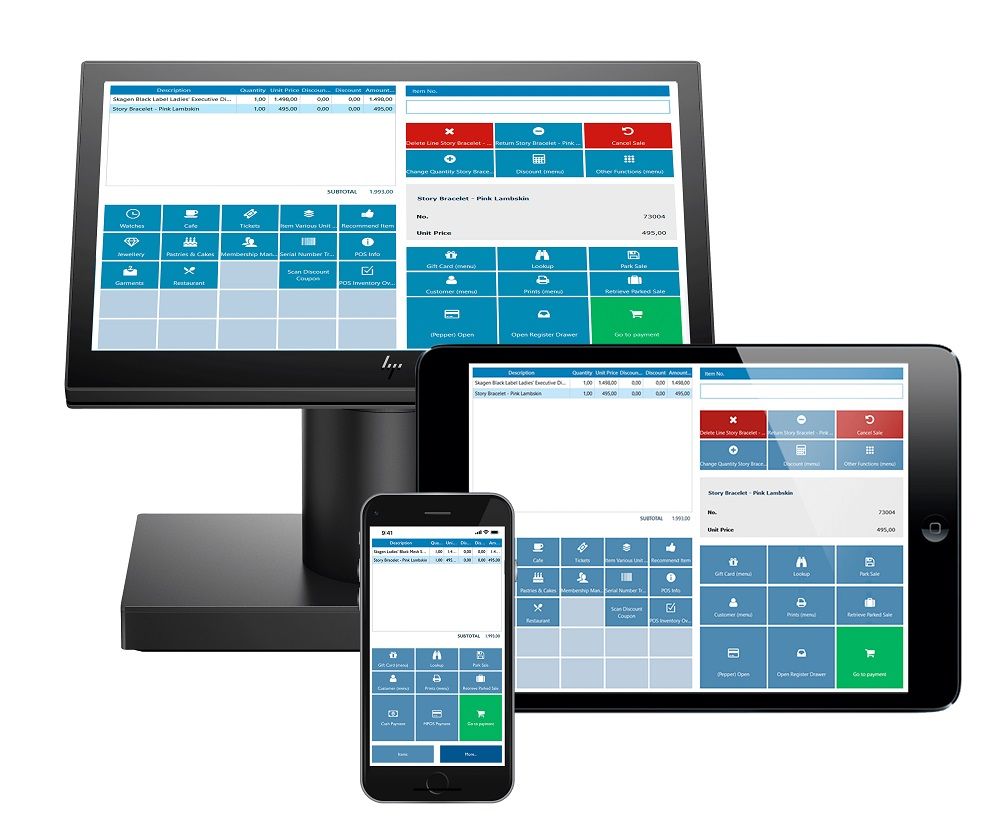
POS systems in Kenya range from traditional cash registers to advanced cloud-based solutions, each offering different levels of functionality, accessibility, and support. Understanding the differences helps businesses select a system that matches their operations.
2.1 Traditional Registers vs Modern POS
Capabilities
-
Traditional registers handle cash transactions manually and rely on handwritten or printed logs.
-
Modern POS systems automate sales tracking, inventory management, and financial reporting.
Operational Advantage
-
Modern POS reduces errors, speeds up checkout, and provides real-time insights into sales and stock.
Practical Illustration
-
A small retail shop in Kisumu can switch from a cash register, where sales are manually recorded, to a POS that updates stock instantly and generates daily sales summaries automatically.
2.2 Cloud-Based POS Solutions
Capabilities
-
Cloud POS platforms store data online, accessible via computers, tablets, or smartphones.
-
Data syncs in real time across multiple locations.
Operational Advantage
-
Enables remote monitoring of sales, inventory, and performance, even across multiple branches.
-
Reduces the risk of data loss due to hardware failure.
Practical Illustration
-
A restaurant chain in Nairobi can track stock levels and sales from its head office while individual branches update orders and payments in real time using tablets or mobile devices.
2.3 Local vs International POS Providers
Capabilities
-
Local POS providers offer Kenya-specific payment integrations (M-Pesa, Airtel Money), tax compliance, and customer support.
-
International providers may offer advanced features but require customization for the Kenyan market.
Operational Advantage
-
Local providers ensure smoother transactions, faster support, and compliance with local regulations.
Practical Illustration
-
A retail store in Nakuru using a local POS provider can accept M-Pesa payments directly, resolve technical issues quickly, and stay aligned with Kenyan VAT requirements.
POS systems in Kenya vary widely from basic cash registers to sophisticated cloud-based platforms. Modern POS solutions enhance efficiency, provide real-time sales insights, and support multiple payment options. Choosing between local and international providers depends on the need for localized payment integration, regulatory compliance, and technical support tailored to the Kenyan business environment.
3. Key Features of Effective POS Systems
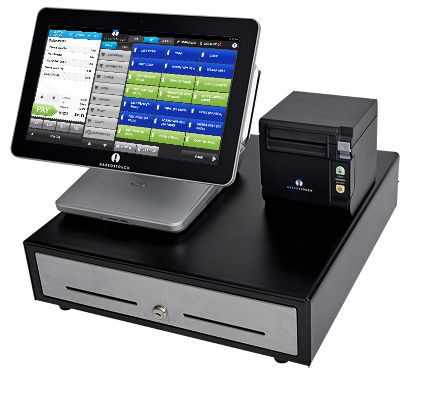
Effective POS systems go beyond simple sales transactions—they integrate multiple functions that streamline business operations, improve decision-making, and enhance customer experiences. Below is a detailed breakdown of essential features.
3.1 Sales and Transaction Processing
Capabilities
-
Support for fast checkouts, barcode scanning, and multiple payment methods, including cash, card, and mobile money.
-
Ability to handle refunds, discounts, and split payments efficiently.
Operational Advantage
-
Reduces wait times at checkout and ensures accurate transaction records.
Practical Illustration
-
A café in Nairobi can process M-Pesa and card payments simultaneously while tracking each sale automatically, minimizing errors and speeding service during peak hours.
3.2 Inventory Management
Capabilities
-
Real-time stock updates whenever sales occur.
-
Alerts for low stock and the ability to categorize products by type, location, or supplier.
Operational Advantage
-
Helps prevent stockouts or overstocking, reduces losses, and supports timely reordering.
Practical Illustration
-
A retail clothing store in Mombasa can receive automatic notifications when a popular shirt size runs low, allowing managers to restock before running out.
3.3 Reporting and Analytics
Capabilities
-
Generates daily, weekly, and monthly sales reports.
-
Tracks revenue trends, profit margins, and peak sales periods.
Operational Advantage
-
Provides actionable insights for inventory planning, pricing strategies, and marketing decisions.
Practical Illustration
-
A supermarket in Kisumu can analyze which products sell fastest each week and adjust promotions or stock accordingly.
3.4 Customer Management Tools
Capabilities
-
Customer Relationship Management (CRM) features, including loyalty programs and purchase history tracking.
-
Ability to send personalized promotions, track repeat customers, and manage memberships.
Operational Advantage
-
Improves customer retention, encourages repeat business, and personalizes marketing efforts.
Practical Illustration
-
A spa in Nairobi can track client visits and offer discounts to frequent customers, enhancing loyalty and increasing revenue.
Key features of an effective POS system include seamless sales processing, real-time inventory management, detailed reporting, and customer relationship tools. Together, these functions empower businesses in Kenya to operate efficiently, respond quickly to trends, and build strong customer relationships while reducing manual work and errors.
4. Why TIWI POS Is a Strong Choice for Kenyan Businesses
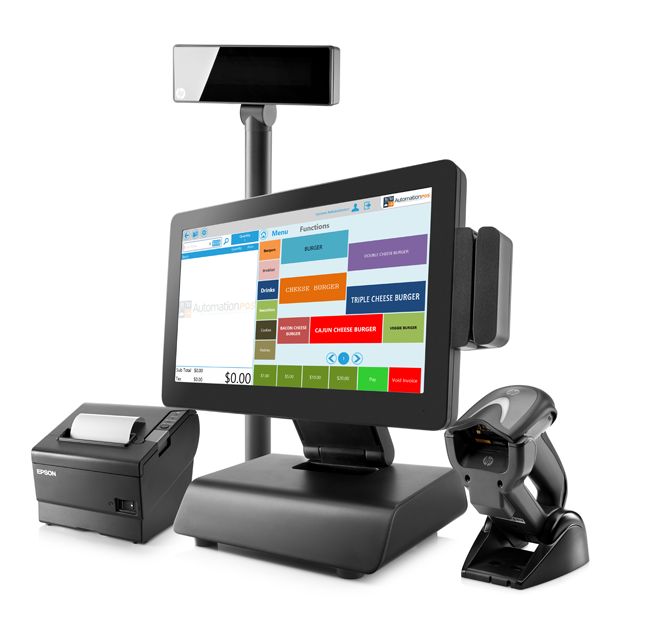
TIWI POS stands out in the Kenyan market by combining versatility, local payment support, and robust business management features. Here’s a detailed look at what makes it ideal for businesses across the country.
4.1 Local Payment Integrations
Capabilities
-
Supports M-Pesa, Airtel Money, card payments, and direct bank transfers.
-
Allows seamless reconciliation of multiple payment channels.
Operational Advantage
-
Simplifies transactions for both customers and business owners, ensuring faster payments and reducing errors.
Practical Illustration
-
A Nairobi grocery store can accept M-Pesa and card payments simultaneously, allowing customers to pay using their preferred method while keeping records unified.
4.2 Real-Time Sales Tracking
Capabilities
-
Provides live dashboards showing current sales, revenue trends, and top-selling products.
-
Tracks daily, weekly, and monthly performance metrics.
Operational Advantage
-
Enables informed decision-making and immediate adjustments to stock or promotions.
Practical Illustration
-
A boutique in Mombasa can monitor which clothing items are selling fastest and adjust orders or marketing strategies instantly.
4.3 Offline Mode Availability
Capabilities
-
POS continues to function even during internet outages.
-
Transactions sync automatically once connectivity is restored.
Operational Advantage
-
Prevents business interruptions and ensures sales are recorded accurately, regardless of network stability.
Practical Illustration
-
A café in Kisumu can continue processing payments during a temporary internet outage without losing transaction data.
4.4 Scalable for Business Growth
Capabilities
-
Suitable for single-location kiosks or multi-location enterprises.
-
Supports expanding product catalogs, multiple users, and branch-level reporting.
Operational Advantage
-
Grows with the business, avoiding the need to switch systems as operations expand.
Practical Illustration
-
A chain of retail shops in Nairobi can manage all branches from a single TIWI POS dashboard, simplifying reporting and inventory control.
TIWI POS combines local payment compatibility, real-time sales insights, offline functionality, and scalability, making it an excellent choice for Kenyan businesses. Its design addresses common operational challenges, ensuring smooth transactions, reliable tracking, and growth-ready capabilities for enterprises of all sizes.
5. How TIWI POS Works for Different Business Types
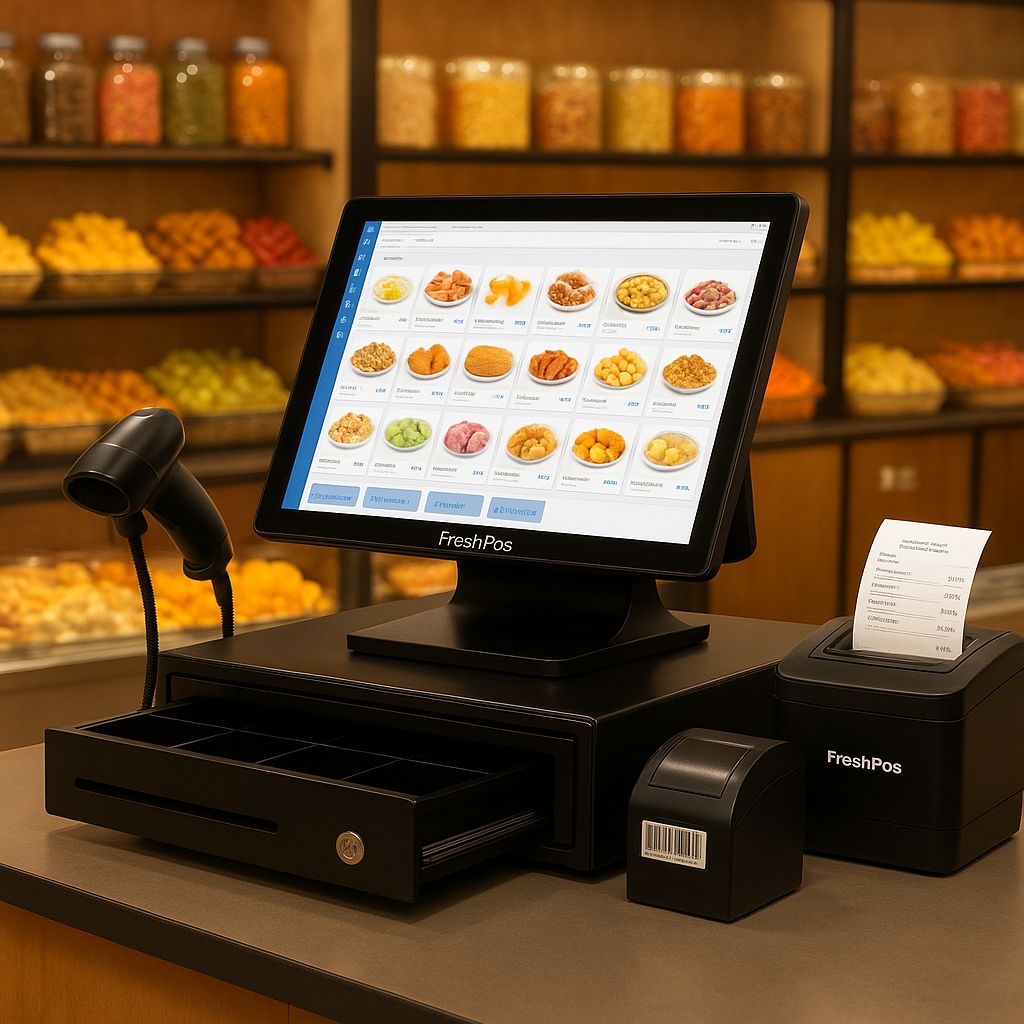
TIWI POS is versatile, catering to diverse industries in Kenya by adapting its features to specific operational needs. Here’s a detailed breakdown of its applications across business types.
5.1 Retail Stores
Core Capabilities
-
Fast checkout with barcode scanning
-
Real-time inventory tracking and low-stock alerts
-
Price management and promotions
Operational Advantage
-
Helps store owners maintain accurate stock levels, reduce checkout queues, and adjust pricing dynamically.
Practical Illustration
-
A clothing shop in Nairobi can track sizes and colors, apply discounts on items automatically, and prevent stockouts by receiving alerts when items run low.
5.2 Restaurants and Cafés
Core Capabilities
-
Order management and table tracking
-
Bill splitting and multi-payment support
-
Menu and stock updates in real time
Operational Advantage
-
Streamlines service, minimizes errors, and improves customer experience by keeping orders organized and payments efficient.
Practical Illustration
-
A café in Mombasa can assign orders to tables digitally, split bills for groups, and automatically update ingredient stock as orders are placed.
5.3 Service Providers (Salons, Barbershops, etc.)
Core Capabilities
-
Appointment booking and sales tracking
-
Product upsells and inventory management
-
Customer history and loyalty tracking
Operational Advantage
-
Supports personalized service, efficient scheduling, and additional revenue through product recommendations.
Practical Illustration
-
A barbershop in Kisumu can schedule clients, track hair product sales, and store customer preferences for follow-up promotions.
5.4 Wholesalers and Distributors
Core Capabilities
-
Tiered pricing and bulk sales management
-
Customer account tracking and credit management
-
Order history and delivery management
Operational Advantage
-
Simplifies complex pricing, streamlines bulk transactions, and ensures accurate record-keeping for repeat customers.
Practical Illustration
-
A supplier in Nakuru can process bulk orders for retailers, apply different pricing tiers for various clients, and track delivery schedules seamlessly.
TIWI POS adapts to the unique requirements of retail, foodservice, service providers, and wholesale businesses in Kenya. By combining inventory control, sales tracking, and customer management, it enhances efficiency, reduces errors, and supports business growth across multiple sectors.
6. How to Set Up TIWI POS in Your Kenyan Business
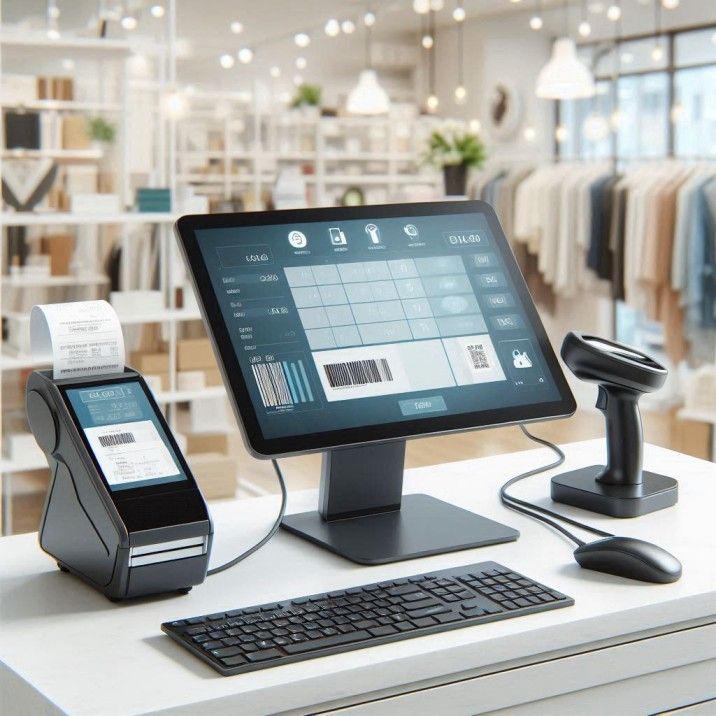
Setting up TIWI POS ensures your operations run smoothly from day one. The process involves selecting a plan, installing hardware, configuring the system, and training your team. Here’s a detailed guide.
6.1 Choosing the Right Package
Core Considerations
-
Business size: small kiosk, mid-sized shop, or multi-location enterprise
-
Feature requirements: inventory tracking, reporting, multi-payment support
Operational Advantage
-
Ensures you pay for only the features you need while leaving room for future expansion.
Practical Illustration
-
A boutique in Nairobi may start with a basic plan covering sales, inventory, and M-Pesa payments, while a chain of stores may opt for a plan that includes analytics dashboards and multi-location management.
6.2 Hardware Essentials
Required Equipment
-
POS terminals for processing payments
-
Barcode scanners for product identification
-
Receipt printers for customer invoices
-
Cash drawers for handling cash transactions
Operational Advantage
-
Provides a complete setup to handle all payment types and sales processes efficiently.
Practical Illustration
-
A café in Mombasa uses a scanner to ring up items, prints receipts instantly, and securely stores cash, reducing manual errors and wait times.
6.3 Initial System Configuration
Key Steps
-
Add products, assign prices, and categorize items
-
Set applicable taxes and discounts
-
Configure payment channels, including M-Pesa, Airtel Money, cards, and bank transfers
Operational Advantage
-
Prepares the system to handle daily operations accurately and track all transactions from the start.
Practical Illustration
-
A grocery store in Kisumu inputs all products, sets VAT rates, and links M-Pesa for instant payments, ensuring sales are recorded correctly.
6.4 Staff Training and Go Live
Key Steps
-
Train staff on using the POS for sales, refunds, and reporting
-
Conduct trial runs to test all features before full deployment
Operational Advantage
-
Minimizes operational errors and ensures staff are confident using the system.
Practical Illustration
-
Employees at a retail shop in Nakuru practice processing different payment types and generating reports before the official launch, ensuring smooth customer experiences.
Setting up Tiwi POS in a Kenyan business involves selecting the right plan, equipping your store with essential hardware, configuring products and payment channels, and training staff effectively. Following these steps ensures a seamless launch, accurate transactions, and efficient daily operations, whether for a small kiosk or a multi-location enterprise.
7. Common Challenges and Solutions in POS Systems
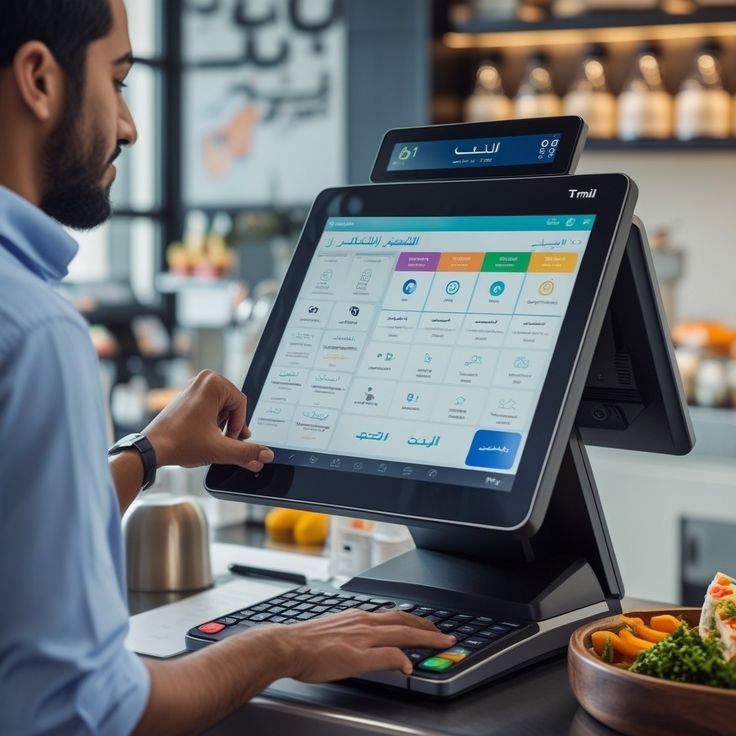
Point of Sale (POS) systems streamline sales, inventory, and financial tracking, but businesses often encounter practical challenges during setup and daily use. Below is a of common issues and how to address them effectively.
7.1 Connectivity Issues
• Challenge: POS systems that rely on internet connections can face downtime due to weak Wi-Fi, network outages, or mobile data issues.
• Solution:
-
Offline Mode: Ensure your POS supports offline transactions, allowing sales to continue even when connectivity is lost.
-
Automatic Syncing: Transactions recorded offline automatically sync to the cloud once the connection is restored, preventing data loss.
-
Network Optimization: Use stable Wi-Fi or Ethernet connections for primary POS devices; consider backup mobile networks.
7.2 Handling Multiple Payment Methods
• Challenge: Customers may pay via M-Pesa, credit/debit cards, or cash, which can complicate reconciliation and reporting.
• Solution:
-
Proper Setup: Configure each payment channel correctly in the POS system.
-
Automated Reconciliation: POS software should automatically categorize and reconcile payments.
-
Reporting Features: Generate daily or weekly reports summarizing all payment methods for accurate accounting.
7.3 Security and Data Protection
• Challenge: POS systems store sensitive customer and financial data, making them targets for unauthorized access or breaches.
• Solution:
-
Secure Logins: Use strong, role-based credentials to limit access.
-
Regular Backups: Schedule cloud or local backups to prevent data loss.
-
Encryption: Ensure transactions and stored data are encrypted for maximum protection.
-
Audit Logs: Track user activity to detect suspicious access patterns.
7.4 Integrations With Other Software
• Challenge: Many businesses require POS data to connect with accounting, inventory management, or e-commerce platforms.
• Solution:
-
Export Tools: POS systems should allow easy export of sales, inventory, and customer data.
-
API Integration: Leverage built-in integrations or APIs to synchronize POS data with accounting software (like QuickBooks or Xero) and online stores.
-
Consistency Checks: Regularly verify that the POS data aligns with external platforms to prevent discrepancies.
Effective POS management requires addressing connectivity, multi-payment handling, security, and software integration. Using offline modes, automated reconciliation, robust security protocols, and seamless software integrations ensures smooth operations, accurate records, and a reliable experience for both staff and customers. By proactively managing these challenges, businesses can maximize efficiency and maintain trust in their POS system.
8. FAQs About POS Systems in Kenya for TIWI POS
https://youtu.be/sVSH-8rQLAs
TIWI POS is designed to support a variety of businesses across Kenya. Here’s a detailed breakdown of common questions and clarifications to help understand its functionality and advantages.
8.1 What Payment Methods Does TIWI POS Support?
Supported Options
-
Mobile money: M-Pesa, Airtel Money
-
Bank cards: Visa, Mastercard, and other debit/credit cards
-
Bank transfers and digital wallets
Operational Advantage
-
Provides flexibility to serve diverse customer preferences and ensures faster, secure transactions.
Illustration
-
A retail shop can accept M-Pesa, cards, and cash simultaneously, reducing customer wait times and improving sales efficiency.
8.2 Can TIWI POS Work Without Internet?
Offline Functionality
-
POS continues processing sales when connectivity is unstable
-
Syncs transactions automatically once the internet is restored
Operational Advantage
-
Prevents loss of sales data and allows continuous business operations even in areas with intermittent internet.
Illustration
-
A kiosk in rural Kenya processes payments offline during a network outage, and records automatically update when connectivity resumes.
8.3 Is TIWI POS Suitable for Small Businesses?
Suitability
-
Ideal for small kiosks, shops, and startups
-
Scalable to grow with the business as sales volume increases
Operational Advantage
-
Provides essential features like payment processing, inventory tracking, and sales reports without overwhelming small operators.
Illustration
-
A single-owner boutique can manage sales, stock, and generate reports on a single terminal with minimal complexity.
8.4 Does TIWI POS Help With Inventory Management?
Inventory Features
-
Real-time stock updates
-
Low-stock alerts
-
Product categorization and tracking
Operational Advantage
-
Ensures products are monitored, prevents stockouts, and improves order planning.
Illustration
-
A grocery store receives an alert when rice or flour stock is low, allowing timely restocking and avoiding lost sales.
8.5 How Do I View Sales Reports on Tiwi POS?
Reporting Tools
-
Dashboard displays daily, weekly, and monthly sales
-
Tracks revenue, best-selling items, and profit margins
Operational Advantage
-
Provides actionable insights for decision-making and performance monitoring.
Illustration
-
A café owner reviews weekend sales trends to adjust menu offerings and staffing for higher efficiency.
Tiwi POS supports multiple payment methods, works offline, and is suitable for businesses of all sizes in Kenya. Its inventory management and reporting features streamline operations, enhance decision-making, and help business owners maintain accurate, real-time records. Whether for a small shop or a growing enterprise, Tiwi POS ensures smooth, reliable, and flexible business management.
Running Smarter and Faster with TIWI POS
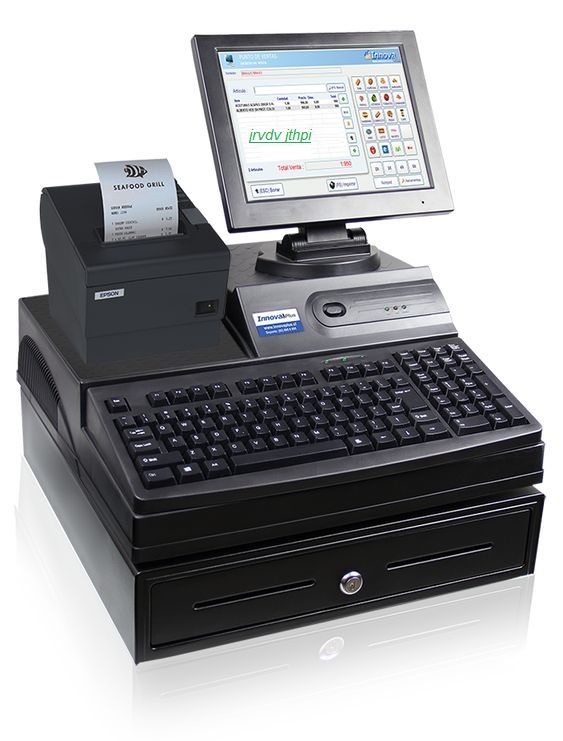
POS systems play a critical role in helping businesses in Kenya operate more efficiently. By automating transactions, tracking sales, and managing inventory in real time, these systems reduce errors, save valuable time, and allow business owners to focus on growth and customer satisfaction. Whether in retail, hospitality, or services, a robust POS solution ensures smoother daily operations and smarter decision-making.
TIWI POS offers tailored features designed for the Kenyan market. With support for local payment options, offline functionality for areas with unreliable connectivity, and real-time reporting for accurate insights, TIWI POS enables businesses to operate seamlessly and make informed decisions even in challenging environments. Its versatility and reliability make it a practical solution for small businesses and larger enterprises alike.
To optimize your business operations and experience the full advantages of a locally-adapted POS system, explore TIWI POS today. By adopting this platform, Kenyan businesses can streamline processes, improve efficiency, and grow confidently in a competitive market.