POS Systems in Kenya : A Comprehensive Guide by Tiwi POS
Learn how POS systems in Kenya like Tiwi POS simplify transactions, reporting, and daily operations for retailers and service providers with...
POS Systems in Kenya : A Comprehensive Guide by Tiwi POS
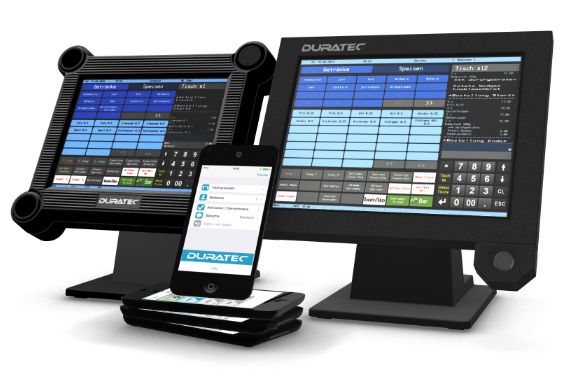
Point of Sale (POS) systems are essential for modern businesses in Kenya, enabling fast, accurate sales processing, efficient inventory management, and better financial control. With increasing competition and the need for streamlined operations, adopting the right POS solution can significantly enhance business efficiency, customer experience, and overall profitability.
TIWI POS is designed to meet the needs of Kenyan businesses, offering tailored features such as inventory tracking, sales analytics, customer management, and integrated reporting. By combining user-friendly interfaces with local support, TIWI POS ensures businesses can manage daily operations smoothly while gaining actionable insights for growth.
This comprehensive guide covers the key features, benefits, types, setup process, and practical tips for using POS systems like TIWI POS. With expert guidance, Kenyan business owners can select, implement, and optimize a POS solution that boosts efficiency, reduces errors, and supports informed decision-making for long-term success.
1. What POS Systems Are
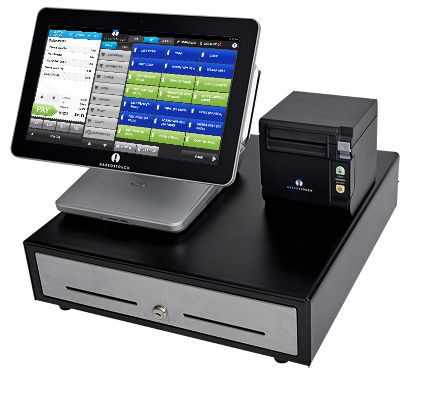
Point of Sale (POS) systems are essential tools for modern businesses, enabling digital management of sales, inventory, and customer interactions. Here’s a detailed breakdown:
1.1 Definition and Core Purpose
Overview
-
POS systems are digital platforms that handle sales transactions, track inventory, generate receipts, and provide financial and operational reports.
Practical Application
-
Streamlines checkout processes, reducing queues and human error.
-
Automatically updates stock levels as items are sold, improving inventory accuracy.
-
Captures customer purchase history for loyalty programs and marketing insights.
Scenario
-
A retail store in Nairobi uses a POS system to scan products, accept payments via card or mobile money, and instantly adjust inventory, all from one terminal.
1.2 How They Work
Mechanism
-
POS systems combine hardware (barcode scanners, receipt printers, cash drawers) and software that processes sales in real time.
Workflow
-
Scan products or select items from a digital catalog.
-
Process payment through cash, card, or digital wallets.
-
Record the transaction, update inventory, and generate a receipt.
-
Aggregate sales data into reports for analytics and accounting.
Use Case
-
In a café, each order is entered into the POS, payments are collected, and the system tracks which menu items are most popular.
1.3 Why Kenyan Businesses Need POS
Significance
-
POS systems help businesses improve operational efficiency, customer service, and financial oversight.
Key Advantages
-
Faster Checkout: Reduces wait times and improves customer satisfaction.
-
Inventory Control: Monitors stock levels and triggers reordering alerts.
-
Customer Insights: Tracks buying patterns and preferences for better marketing.
-
Financial Accuracy: Simplifies reporting, reconciliation, and tax filing.
Practical Situation
-
A supermarket in Mombasa can track daily sales, identify high-demand products, and manage stock automatically, saving time and reducing losses.
POS systems are digital solutions that combine sales, inventory, and reporting tools to streamline business operations. In Kenya, adopting a POS system enables faster transactions, accurate stock management, improved customer insights, and reliable financial tracking, making them indispensable for retail, hospitality, and service-based businesses.
2. Overview of POS Systems in Kenya
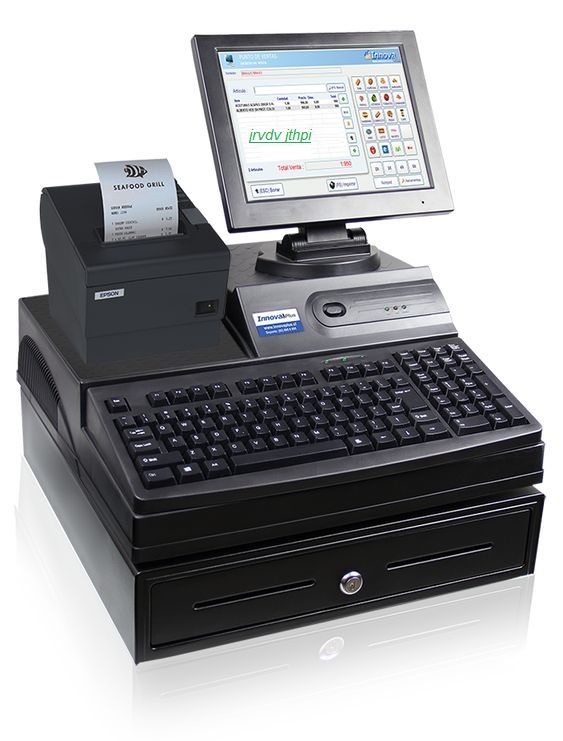
Understanding the landscape of POS systems in Kenya helps businesses choose the right solution for their operations. Here’s a detailed breakdown:
2.1 Traditional Cash Registers vs POS
Comparison
-
Traditional cash registers handle basic transactions manually, relying on staff to calculate totals, issue receipts, and track sales.
-
POS systems automate these processes, offering digital records, inventory updates, and integrated payment processing.
Operational Impact
-
Reduces errors in calculations and record-keeping.
-
Generates instant sales reports for informed decision-making.
-
Frees staff to focus on customer service instead of manual bookkeeping.
Practical Scenario
-
A small kiosk in Nairobi moves from a manual cash register to a POS system, instantly tracking stock levels and generating daily sales summaries without manual input.
2.2 Cloud-Based POS Solutions
Overview
-
Cloud-based POS platforms operate on mobile devices, tablets, or web browsers, allowing real-time data synchronization across multiple locations.
Operational Advantages
-
Managers can monitor sales and inventory from anywhere in Kenya.
-
Automatic backups ensure data security and minimize risk of loss.
-
Supports multi-location operations, useful for expanding businesses.
Illustration
-
A café chain in Mombasa uses a cloud POS to manage several outlets, ensuring that inventory and sales reports are updated in real time at headquarters.
2.3 Local vs International POS Providers
Considerations
-
Local Providers: Offer tailored support for Kenyan payment methods (like M-Pesa), local taxes, and after-sales service.
-
International Providers: Often have advanced features, but may require manual configuration for local payment systems and slower customer support.
Operational Choice
-
Choosing between local and international POS depends on business scale, required features, and the need for rapid local support.
Scenario
-
A retailer in Nairobi selects a Kenyan POS provider to integrate M-Pesa payments seamlessly while receiving on-site technical support.
POS systems in Kenya range from basic cash registers to sophisticated cloud-based platforms. Businesses can choose local or international providers depending on feature needs, support availability, and payment integration. Modern POS systems improve transaction efficiency, inventory control, and financial reporting, making them critical for Kenyan retailers, cafés, and service businesses.
3. TIWI POS: What Sets It Apart
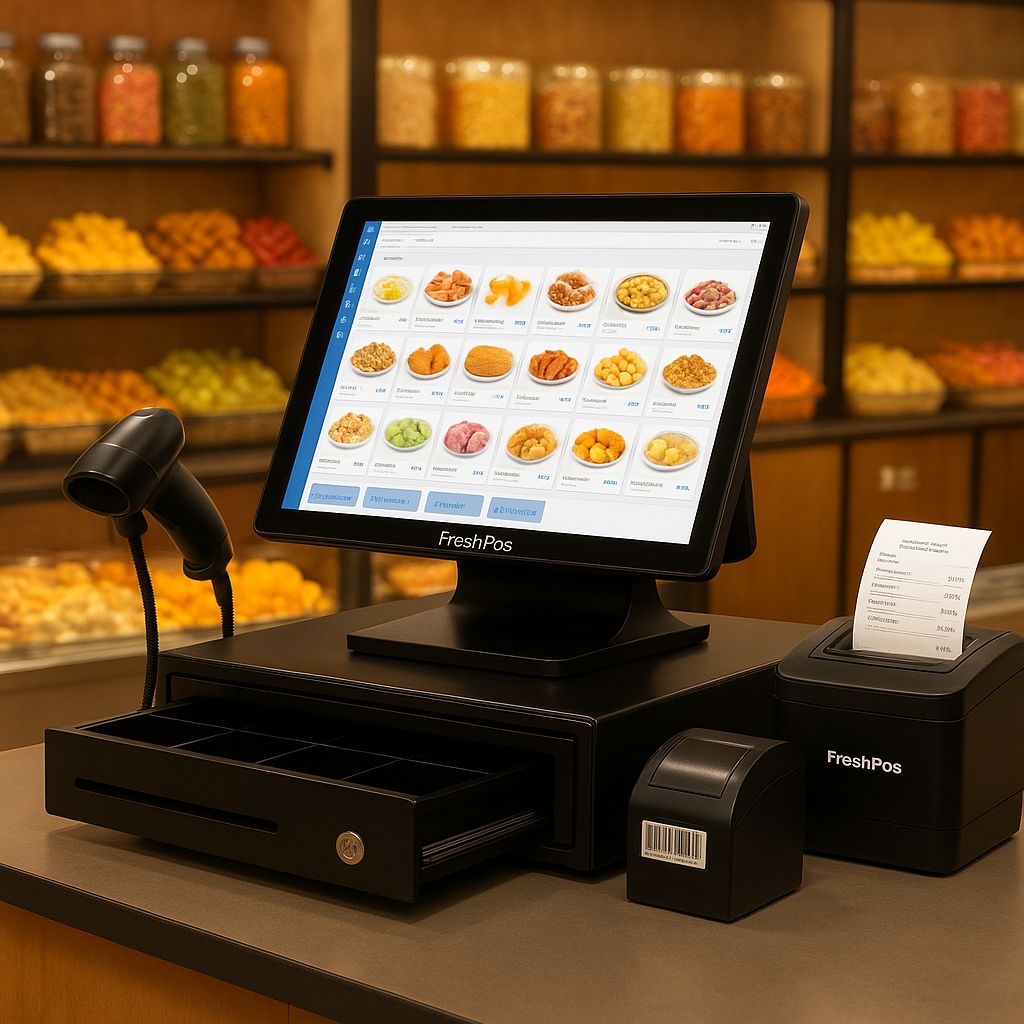
TIWI POS offers a comprehensive solution for Kenyan businesses, combining sales, financial management, and analytics in a single platform. Here’s an in-depth breakdown:
3.1 Integrated Point of Sale and Business Management
Functionality
-
TIWI POS consolidates sales, inventory, customer data, and reporting into one system, eliminating the need for multiple tools.
Operational Impact
-
Businesses can track stock levels, monitor sales, and manage customer interactions simultaneously.
-
Reduces errors from switching between separate software for accounting and sales.
Scenario
-
A retail store in Nairobi uses TIWI POS to update inventory automatically after each sale, while tracking customer purchase history and generating daily sales summaries.
3.2 Payment Options Suited for Kenya
Capabilities
-
Accepts mobile money (M-Pesa, Airtel Money), card payments, and direct bank transfers.
Operational Advantages
-
Provides customers with multiple convenient payment methods.
-
Improves transaction completion rates, especially in regions where cashless payments are preferred.
Illustration
-
A small boutique in Kisumu allows customers to pay via M-Pesa, reducing reliance on cash and minimizing transaction delays.
3.3 Real-Time Sales and Analytics
Features
-
Live dashboards display sales trends, revenue performance, and inventory status.
Operational Benefits
-
Business owners can make informed decisions instantly based on current sales data.
-
Identifies best-selling products, peak hours, and underperforming stock for proactive adjustments.
Scenario
-
A café chain in Mombasa monitors daily sales per outlet in real time, adjusting staff schedules and stock orders based on demand patterns.
3.4 Offline Functionality
Capabilities
-
TIWI POS continues to operate even when internet connectivity is intermittent or unavailable.
Operational Advantages
-
Ensures uninterrupted sales and payment processing.
-
Data automatically syncs once the system reconnects to the internet.
Illustration
-
A remote store in a rural county continues to process M-Pesa and card payments during temporary network outages, avoiding lost sales and customer frustration.
Tiwi POS distinguishes itself with its all-in-one platform, tailored payment options, real-time analytics, and offline capabilities. For Kenyan businesses, it ensures seamless operations, accurate reporting, and flexibility across different locations and connectivity scenarios, making it a reliable solution for retailers, cafés, and service providers alike.
4. Key Features to Look for in POS Systems in Kenya
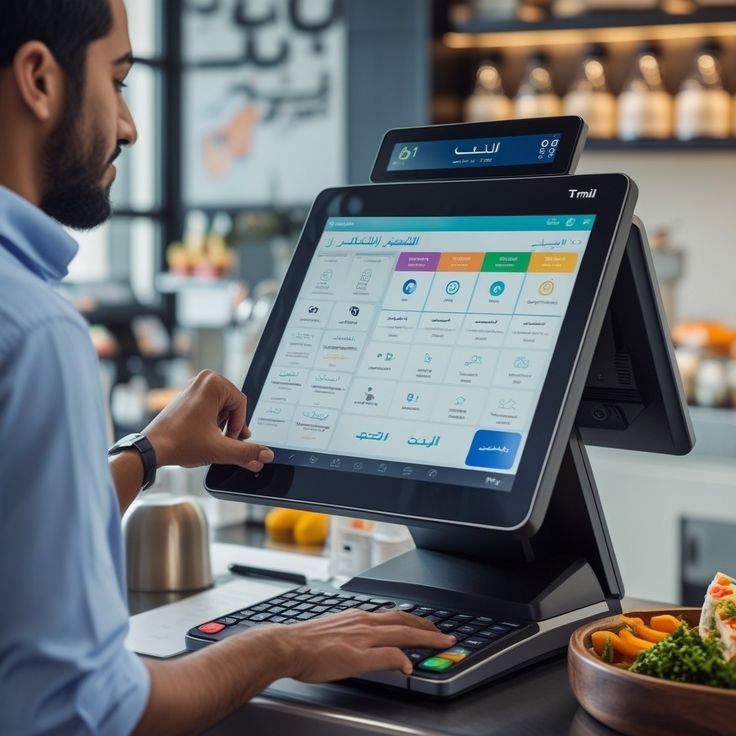
Choosing the right POS system involves understanding the essential tools that make operations smooth, efficient, and data-driven. Below is a detailed breakdown of the core functionalities and their practical applications.
4.1 Inventory Management
Functionality
-
POS systems automatically adjust stock levels as sales occur and provide alerts when items run low.
Operational Advantages
-
Prevents overselling or stockouts.
-
Helps plan reorders in advance, reducing downtime or lost sales.
Practical Illustration
-
A retail shop in Nairobi sells 50 units of detergent daily. When inventory reaches a set threshold, the system alerts the manager to restock, ensuring shelves are always filled.
4.2 Multiple Payment Channels
Capabilities
-
Supports mobile money (M-Pesa, Airtel Money), card payments, cash, and digital wallets.
Operational Advantages
-
Provides customers with convenient payment options, increasing satisfaction and sales conversion.
-
Reduces dependency on cash, improving financial accuracy and safety.
Practical Illustration
-
A café in Kisumu allows patrons to pay via M-Pesa, card, or cash. This flexibility increases sales during peak hours and reduces queues.
4.3 Customer Relationship Tools
Features
-
Loyalty programs, customer profiles, and purchase history tracking.
Operational Advantages
-
Enables personalized marketing, repeat customer rewards, and improved client engagement.
-
Businesses can analyze buying behavior to optimize promotions and inventory.
Practical Illustration
-
A clothing store in Mombasa tracks VIP customers’ purchases and sends targeted offers for new arrivals, increasing repeat visits.
4.4 Sales Reporting and Analytics
Capabilities
-
Generates daily sales summaries, profit and loss reports, and trend analysis.
Operational Advantages
-
Provides insights for informed decision-making, such as adjusting pricing, managing staff schedules, or identifying best-selling products.
-
Helps detect anomalies in sales patterns early, preventing financial discrepancies.
Practical Illustration
-
A supermarket in Eldoret reviews weekly sales reports to identify slow-moving items and launches promotions to boost turnover.
A robust POS system in Kenya should combine inventory management, versatile payment channels, customer engagement tools, and comprehensive sales analytics. These features streamline operations, enhance customer experience, and provide actionable insights, empowering businesses to operate efficiently while maximizing revenue and reducing manual errors.
5. How TIWI POS Helps Different Types of Businesses
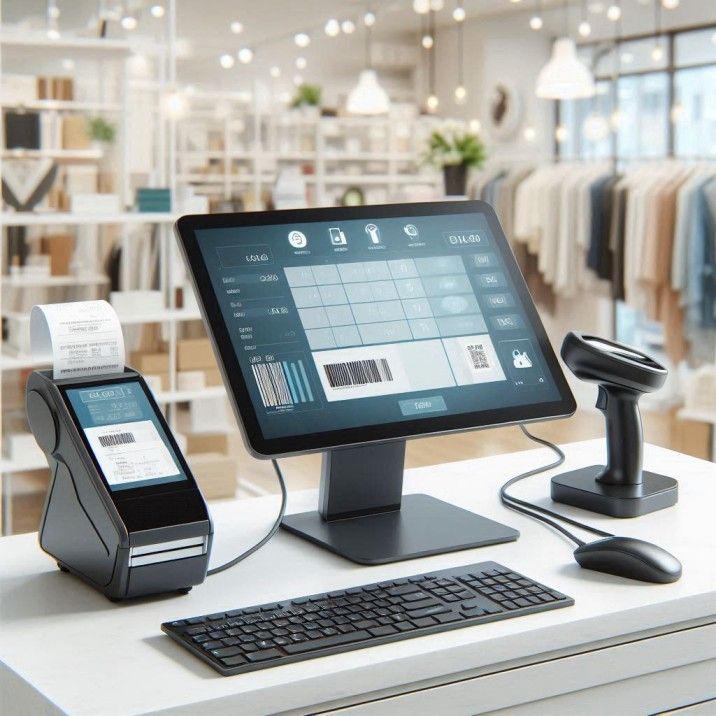
TIWI POS is a versatile system that adapts to the unique operational needs of various business sectors in Kenya. Here’s a detailed look at how it supports different industries and improves efficiency.
5.1 Retail Stores
Capabilities
-
Fast checkout with barcode scanning, inventory tracking, and sales recording in real time.
Operational Advantages
-
Reduces long queues and improves customer satisfaction.
-
Keeps stock levels updated automatically, preventing overselling.
Practical Illustration
-
A clothing boutique in Nairobi scans each item at checkout. The system instantly updates inventory and generates daily sales reports, making reordering and stock management effortless.
5.2 Restaurants and Cafés
Capabilities
-
Table management, order tracking, bill splitting, and payment integration.
Operational Advantages
-
Streamlines kitchen operations and reduces errors in orders.
-
Enables split bills for groups and integrates payments via mobile money, cards, or cash.
Practical Illustration
-
A café in Mombasa tracks orders from each table directly in the POS. The kitchen receives the order instantly, and staff can split bills for customers paying separately, improving efficiency during busy hours.
5.3 Service Providers (Salons, Spas, etc.)
Capabilities
-
Appointment scheduling, sales tracking for services and products, and receipt management.
Operational Advantages
-
Helps manage appointments, track product sales, and issue accurate receipts automatically.
-
Supports upselling by linking services with recommended products.
Practical Illustration
-
A hair salon in Kisumu schedules clients via TIWI POS, tracks which products were sold during each visit, and automatically reminds customers of upcoming appointments via SMS.
5.4 Wholesalers and Distributors
Capabilities
-
Manages bulk sales, pricing tiers, customer accounts, and order histories.
Operational Advantages
-
Simplifies large-volume transactions, ensures accurate pricing, and tracks customer orders for repeat business.
-
Improves invoicing accuracy and reduces paperwork.
Practical Illustration
-
A Nairobi-based distributor sells fertilizer to multiple retailers. TIWI POS tracks bulk orders, applies specific pricing per retailer, and generates invoices instantly, streamlining operations.
Tiwi POS is adaptable across multiple industries, providing tailored tools for retail, hospitality, service providers, and wholesale businesses. Automating sales, tracking inventory, managing orders, and supporting various payment methods, it boosts operational efficiency, reduces errors, and enhances the customer experience.
6. How to Get Started With Tiwi POS in Kenya
Getting started with TIWI POS involves careful planning, selecting the right tools, and ensuring your staff is prepared. Here’s a detailed guide with practical steps for businesses in Kenya.
6.1 Choosing the Right Plan
Considerations
-
Evaluate your business size, transaction volume, and operational needs.
-
Different TIWI POS plans cater to small retail shops, restaurants, or larger enterprises.
Operational Advantage
-
Selecting the correct plan ensures your business has access to the features you need without paying for unnecessary extras.
Practical Illustration
-
A small kiosk in Nairobi may choose a basic plan for daily sales and inventory tracking, while a multi-branch café in Mombasa opts for a premium plan with multi-location reporting and advanced analytics.
6.2 Hardware and Setup
Components
-
POS terminals, barcode scanners, receipt printers, cash drawers, and network connectivity.
Operational Advantage
-
Proper hardware setup ensures smooth sales operations, accurate inventory updates, and reliable transaction processing.
Practical Illustration
-
A retail store in Kisumu installs a TIWI POS terminal at each checkout, connects barcode scanners for efficient scanning, and sets up a receipt printer to provide instant receipts, reducing errors and improving customer experience.
6.3 Training Staff on the System
Focus Areas
-
Teach employees how to operate the POS, handle sales, update inventory, and troubleshoot basic issues.
-
Demonstrate features like digital payments, reporting dashboards, and customer management tools.
Operational Advantage
-
Well-trained staff reduce errors, speed up transactions, and ensure the system is used to its full potential.
Practical Illustration
-
A restaurant in Nairobi conducts a two-day training session where staff practice order entry, table management, and splitting bills. This ensures a smooth launch without disrupting daily operations.
6.4 Testing and Launching
Approach
-
Run trial transactions, test payment integrations, and simulate busy periods to identify potential issues.
-
Confirm hardware connectivity, network stability, and reporting accuracy before going fully live.
Operational Advantage
-
Early testing reduces downtime, prevents transaction errors, and builds confidence among staff.
Practical Illustration
-
A boutique in Mombasa performs a “soft opening” with Tiwi POS, processing a limited number of sales to verify inventory tracking and receipt generation before the official launch.
Starting with Tiwi POS in Kenya requires careful planning: choosing a plan that fits your business, setting up reliable hardware, training staff thoroughly, and testing the system before going live. Following these steps ensures efficient operations, smooth transactions, and a seamless integration of digital tools into your business workflow.
7. Common Challenges and Solutions
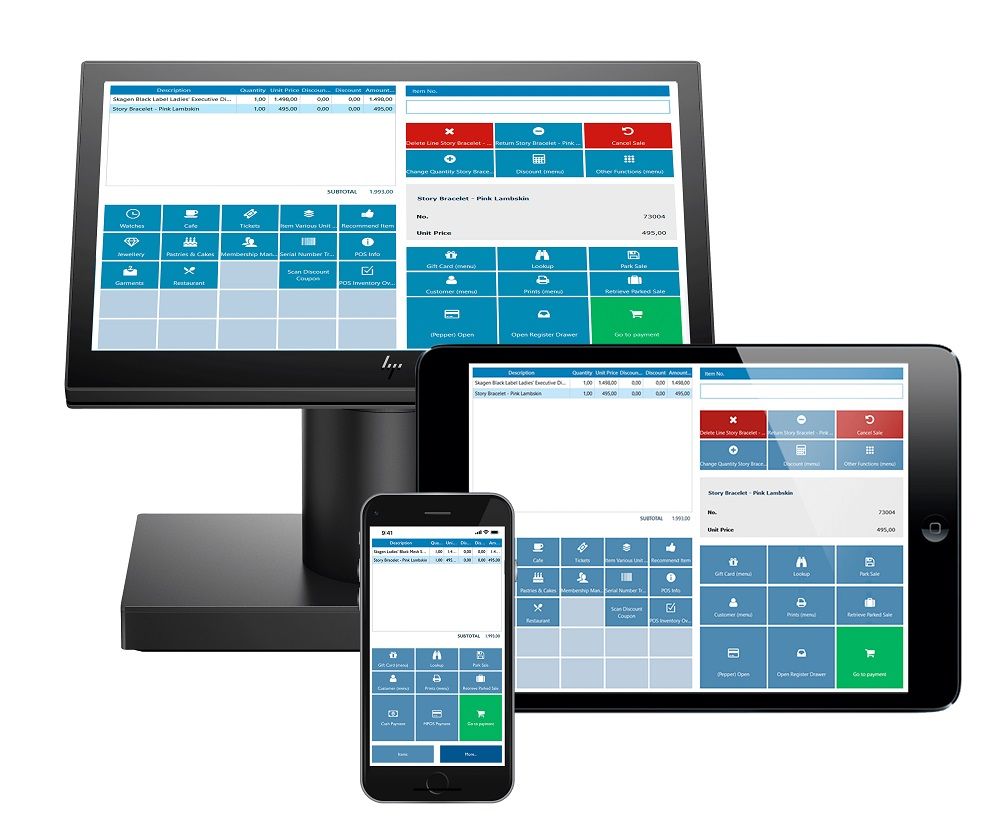
Implementing a POS system like Tiwi POS in Kenya comes with practical hurdles that businesses need to manage for smooth operations. Understanding these challenges and how to address them ensures reliability, security, and efficiency.
7.1 Connectivity Issues
Situation
-
Network interruptions or unstable internet connections can disrupt transactions.
Solution
-
TIWI POS supports offline mode, allowing sales to be recorded locally and synced automatically once the internet is restored.
Operational Advantage
-
Prevents data loss, ensures sales continuity, and avoids delays for customers.
Practical Illustration
-
A kiosk in a rural Kenyan town continues processing sales during intermittent internet outages, and all transactions update automatically when connectivity resumes.
7.2 Handling Multiple Payment Options
Situation
-
Businesses often accept M-Pesa, Airtel Money, card payments, and cash, which can complicate reconciliation.
Solution
-
Use TiwiPOS’s integrated payment tracking to automatically log and categorize each payment method.
Operational Advantage
-
Simplifies accounting, reduces errors, and makes financial reporting accurate and transparent.
Practical Illustration
-
A café in Nairobi accepts M-Pesa, card, and cash payments; the system automatically tallies totals and categorizes each type for easy reporting at day’s end.
7.3 Data Backup and Security
Situation
-
POS systems handle sensitive customer and sales data, making security and backups essential.
Solution
-
Use Tiwi POS’s cloud storage features and export options to back up transaction records, inventory data, and customer profiles regularly.
Operational Advantage
-
Protects against data loss, fraud, and ensures compliance with record-keeping requirements.
Practical Illustration
-
A retail shop in Mombasa exports daily sales and inventory logs to cloud storage, safeguarding information in case of hardware failure.
7.4 Integrating With Accounting Software
Situation
-
Many businesses use external accounting or ERP software alongside their POS system.
Solution
-
Tiwi POS provides export tools and integrates with common accounting platforms to synchronize financial data.
Operational Advantage
-
Streamlines bookkeeping, reduces manual entry, and ensures consistent financial records.
Practical Illustration
-
A boutique in Kisumu exports daily sales from Tiwi POS to QuickBooks, automatically updating revenue and inventory data for the accountant.
Tiwi POS offers practical solutions to common challenges such as connectivity interruptions, multiple payment reconciliation, data security, and accounting integration. By leveraging offline sync, automated payment tracking, cloud backups, and integration tools, Kenyan businesses can maintain smooth operations, accurate records, and reliable customer service.
8. FAQs About POS Systems in Kenya for TIWI POS
TIWI POS is designed to meet the diverse needs of businesses in Kenya, from small kiosks to large retail outlets. Below is a detailed exploration of common questions, practical clarifications, and operational insights.
8.1 What Payment Methods Does Tiwi POS Support?
Capabilities
-
TIWI POS accepts multiple payment channels, including M-Pesa, Airtel Money, credit/debit cards, cash, and digital wallets.
Operational Advantage
-
Businesses can cater to all customers regardless of their preferred payment method, reducing missed sales.
Practical Illustration
-
A café in Nairobi processes both mobile money payments and card payments seamlessly, without manually reconciling totals later.
8.2 Can Tiwi POS Work Offline?
Capabilities
-
Yes, TIWI POS features offline mode, allowing transactions to continue even when internet connectivity is unavailable.
Operational Advantage
-
Prevents interruptions in service, ensures uninterrupted sales, and automatically syncs data once connectivity is restored.
Practical Illustration
-
A rural retail shop continues to record sales during a network outage, and all transactions are updated in the system automatically when online again.
8.3 Do I Need Internet to Run TIWI POS?
Capabilities
-
Internet is required for syncing, reporting, and online payments, but core sales functions can operate offline.
Operational Advantage
-
Provides flexibility for areas with unreliable internet, while ensuring all data is eventually updated centrally.
Practical Illustration
-
During a power backup at a market stall, sales are recorded offline and synced to the cloud once power and internet are restored.
8.4 How Does Tiwi POS Help With Inventory Management?
Capabilities
-
Tracks stock levels in real time, sets low-stock alerts, and automatically updates inventory when sales are made.
Operational Advantage
-
Minimizes stockouts, prevents over-ordering, and simplifies reporting for supply management.
Practical Illustration
-
A grocery store in Mombasa receives automatic notifications when rice or cooking oil stocks run low, allowing timely reordering.
8.5 Is Tiwi POS Suitable for Small and Large Businesses?
Capabilities
-
Scalable solution that adapts from single-location shops to multi-branch enterprises.
Operational Advantage
-
Small business owners can manage daily sales easily, while large organizations benefit from consolidated reporting and analytics across multiple outlets.
Practical Illustration
-
A chain of retail stores in Nairobi uses one Tiwi POS account to monitor sales, inventory, and revenue trends across all branches in real time.
Tiwi POS in Kenya supports multiple payment methods, offline operation, inventory management, and scalable deployment for all business sizes. Its flexibility ensures reliable sales processing, efficient stock control, and operational continuity even in areas with intermittent internet, making it a robust solution for both small and large enterprises
Why POS Systems Are Essential for Kenyan Businesses
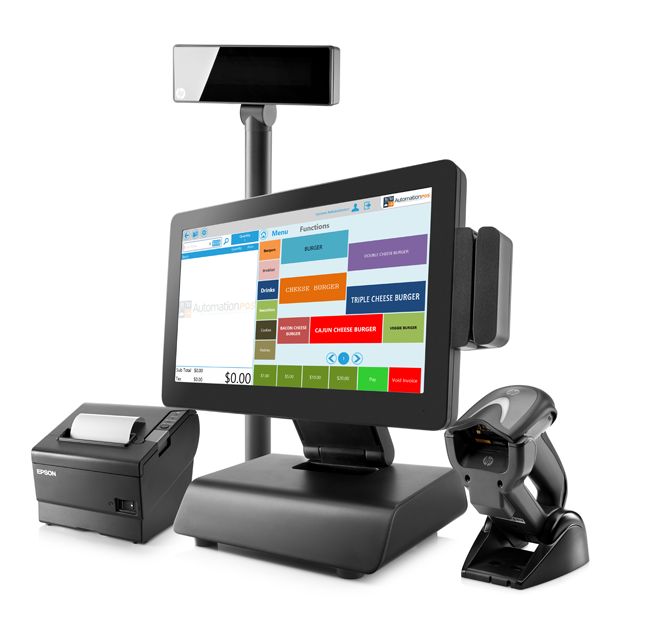
Point-of-sale (POS) systems are vital tools for modern businesses in Kenya, enabling faster transactions, accurate record-keeping, and improved customer service. By automating sales processes, managing inventory, and tracking financials in real time, POS systems help businesses reduce errors, save time, and make data-driven decisions that support growth and profitability.
TIWI POS stands out for Kenyan businesses due to its versatile features. It supports local payment options, offers real-time analytics for better decision-making, and provides scalable solutions suitable for retail, hospitality, and service industries. With its integrated tools, TIWI POS helps streamline operations while giving business owners insights to optimize sales, track performance, and enhance overall efficiency.
To experience these benefits firsthand, explore TIWI POS or start a trial today. By adopting a reliable POS system, Kenyan businesses can boost sales efficiency, improve operational workflows, and elevate their overall business performance.