Student Attendance Management System in Kenya: The Future of Smart School Administration
Student Attendance Management System in Kenya: The Future of Smart School Administration

Kenya’s education sector has experienced tremendous growth over the past two decades. The expansion of public and private schools, increased access to education, and the rising number of students enrolling in learning institutions have created new administrative challenges for school management. One of the most critical areas affected by this growth is student attendance management. Schools must now track hundreds or even thousands of students daily, making traditional attendance registers increasingly inefficient.
For many years, schools in Kenya have relied on manual attendance registers, where teachers record student presence using paper-based lists. While this method has been widely used, it presents several challenges. Manual registers are time-consuming, prone to errors, and difficult to manage in institutions with large student populations. Teachers must spend valuable teaching time calling out names, marking attendance, and compiling records for administrative reporting. Additionally, paper records can easily be lost, damaged, or manipulated.
Accurate attendance tracking is extremely important for academic performance and student discipline. Regular attendance is closely linked to student success, as learners who consistently attend classes are more likely to understand course material, complete assignments, and perform better in examinations. Schools must therefore monitor attendance closely to identify absenteeism, address student welfare concerns, and maintain a productive learning environment. Without reliable attendance data, it becomes difficult for administrators and teachers to identify patterns of absenteeism or intervene early when students begin missing classes.
The rise of digital school management systems is transforming how Kenyan schools manage administrative processes. A Student Attendance Management System uses modern technologies such as biometric scanners, mobile applications, RFID cards, or cloud-based platforms to record and monitor student attendance automatically. These systems allow teachers and administrators to track attendance in real time, generate reports instantly, and communicate with parents when students miss classes.
As education institutions continue to adopt digital technologies, attendance management systems are becoming a key component of smart school administration. By replacing manual registers with automated systems, Kenyan schools can improve efficiency, enhance data accuracy, and ensure better accountability in student attendance management. The transition toward digital attendance systems represents an important step in modernizing school operations and supporting better educational outcomes across the country.
1. Understanding a Student Attendance Management System

Student attendance management systems are transforming how schools in Kenya track and manage student presence. Instead of relying on traditional paper registers, schools are increasingly adopting digital systems that record attendance automatically and store the information securely. These systems help teachers save time, improve accuracy, and give school administrators better oversight of student records.
Digital attendance solutions also make it easier for institutions to generate reports, monitor absenteeism, and communicate with parents when students miss classes. As schools continue to modernize their administrative processes, attendance management systems are becoming an essential part of smart school management in Kenya.
1.1 What Is a Student Attendance Management System?
A Student Attendance Management System is a digital platform used by schools to record and manage student attendance electronically. Teachers can mark attendance using computers, tablets, or mobile applications, while some institutions use technologies such as biometric scanners or RFID cards.
Once attendance is recorded, the system stores the data in a secure database. School administrators can then access the information, analyze attendance patterns, and generate reports whenever needed.
1.2 How Attendance Systems Work in Schools
Attendance systems simplify the daily process of recording student presence. Teachers can quickly mark students as present or absent through a digital interface. In some cases, students check in using biometric scanners, QR codes, or smart cards.
The recorded attendance is automatically stored in the school's database. Administrators can then generate reports, monitor attendance trends, and even send alerts to parents if students are absent or arrive late.
1.3 Evolution from Manual Registers to Digital Systems
For many years, Kenyan schools relied on paper-based registers to track student attendance. Teachers would call out student names and manually mark them present or absent. Although this method worked, it was time-consuming and often prone to errors.
Digital attendance systems are gradually replacing manual registers. These systems allow schools to record attendance quickly, reduce paperwork, and maintain accurate student records. As a result, many institutions are transitioning toward digital attendance management as part of broader school automation efforts.
2. Importance of Student Attendance Tracking in Schools

Student attendance is one of the most important indicators of academic engagement and school discipline. When students attend classes consistently, they are more likely to understand lessons, participate in learning activities, and perform better in examinations. For schools in Kenya, tracking attendance helps administrators and teachers monitor student participation and ensure that learners remain committed to their education.
Digital attendance systems make it easier for schools to track attendance patterns, identify absenteeism early, and maintain accurate student records. With reliable attendance data, school administrators can make better decisions that support both academic success and student welfare.
2.1 Impact of Attendance on Academic Performance
Regular school attendance plays a major role in a student's academic success. Students who attend classes consistently are more likely to follow lessons, complete assignments, and prepare effectively for exams.
When attendance is properly monitored, teachers can quickly identify students who are frequently absent and provide support before their academic performance declines.
2.2 Monitoring Student Discipline and Participation
Attendance records also help schools maintain discipline and accountability. Frequent absenteeism may indicate behavioral issues, lack of motivation, or personal challenges affecting a student.
By monitoring attendance trends, schools can intervene early and work with parents or guardians to address the issue.
2.3 Supporting School Administration and Planning
Accurate attendance data helps school administrators plan and manage school activities more effectively. Administrators can analyze attendance trends across classes, departments, or entire schools.
3. Key Features of a Modern Student Attendance Management System

Modern student attendance systems are designed to simplify how schools record, monitor, and analyze attendance. Instead of relying on manual registers, these systems use digital tools that make attendance tracking faster, more accurate, and easier to manage. Schools can record attendance in real time, generate reports instantly, and monitor student participation across classes.
These systems also improve communication between schools, teachers, administrators, and parents by providing reliable data about student attendance.
3.1 Automated Attendance Recording
Automated attendance recording allows teachers to mark attendance quickly using a computer, tablet, or mobile application. Instead of calling out each student’s name, the teacher simply selects present or absent from a digital interface.
This reduces the time spent on administrative tasks and allows teachers to focus more on teaching.
3.2 Biometric Attendance Systems
Biometric attendance systems use fingerprint or facial recognition technology to identify students when they enter the school or classroom. Each student’s biometric data is stored in the system and used to verify their identity.
This method prevents impersonation and ensures that attendance records are accurate.
3.3 RFID Card Attendance Tracking
RFID (Radio Frequency Identification) technology allows students to use smart cards to record attendance. When students tap their card on a scanner, the system automatically logs their presence.
This method is fast and convenient, especially for schools with large numbers of students.
3.4 Mobile App Attendance Recording
Some attendance systems include mobile applications that allow teachers to record attendance directly from their smartphones or tablets. The data is instantly synchronized with the school’s database.
This feature is especially useful for schools that want flexibility and mobility in managing attendance.
3.5 Real-Time Attendance Reports
Modern attendance systems provide real-time dashboards that allow administrators to monitor attendance trends instantly. Schools can generate reports such as daily attendance summaries, absenteeism reports, and class attendance comparisons.
4. Benefits of Implementing Attendance Management Systems in Kenya

Implementing a digital attendance management system offers many advantages for schools across Kenya. These systems simplify administrative work, improve accuracy in attendance records, and help schools monitor student participation more effectively. By replacing manual registers with automated systems, schools can improve efficiency and focus more on teaching and learning.
Digital attendance systems also provide reliable data that helps administrators identify attendance patterns, address absenteeism quickly, and improve communication with parents.
4.1 Improved Accuracy of Attendance Records
Manual attendance registers can lead to errors due to misreporting or missed entries. Digital attendance systems reduce these mistakes by recording attendance automatically and storing the data securely.
4.2 Time Efficiency for Teachers and Administrators
Recording attendance manually can take several minutes in every class. Automated systems allow teachers to mark attendance quickly, saving valuable teaching time.
4.3 Enhanced Student Safety and Monitoring
Digital systems allow schools to know exactly which students are present in school at any given time. This improves student safety and helps administrators monitor school activities more effectively.
4.4 Improved Communication with Parents
Some attendance systems can automatically send notifications to parents when a student is absent or arrives late. This helps parents stay informed and encourages better student accountability.
4.5 Better School Performance Analysis
Attendance systems generate reports that help schools analyze attendance trends and identify areas that need improvement. These insights support better decision-making and school management.
5. Technologies Used in Attendance Management Systems

Modern attendance management systems rely on several technologies to record and manage student attendance efficiently. These technologies help automate attendance tracking and ensure that the data is accurate and easily accessible.
Schools in Kenya are increasingly adopting these technologies as part of broader digital transformation in education.
5.1 Biometric Identification Technology
Biometric systems use fingerprint or facial recognition technology to verify student identity. When a student scans their fingerprint or face, the system automatically records their attendance.
5.2 Cloud-Based Attendance Systems
Cloud-based attendance systems store attendance data online. This allows school administrators to access attendance records from anywhere using computers or mobile devices.
5.3 Mobile Attendance Applications
Mobile attendance applications allow teachers to record attendance using smartphones or tablets. The data is then synchronized with the school’s central database in real time.
5.4 Integration with School Management Systems
Many attendance systems are integrated with broader school management software. This integration allows attendance data to connect with student records, academic reports, and communication systems within the school.
6. Schools That Benefit from Attendance Management Systems


Attendance management systems are useful for many types of learning institutions. As student populations grow and schools become more digitally connected, automated attendance tracking helps institutions manage their operations more efficiently. From primary schools to universities, these systems help improve record accuracy, monitor student participation, and support better administrative decision-making.
6.1 Primary Schools
Primary schools benefit from attendance systems by helping teachers track daily attendance quickly and accurately. The system also allows administrators to identify students who frequently miss classes and take early action.
6.2 Secondary Schools
Secondary schools often have larger student populations and multiple classes. Attendance management systems help schools monitor attendance across different classes and subjects while reducing administrative workload.
6.3 Colleges and Universities
Higher education institutions handle large numbers of students attending lectures, seminars, and practical sessions. Digital attendance systems help universities monitor class participation and generate reports that support academic management.
6.4 Technical and Vocational Institutions
Technical training institutions require students to attend both theoretical classes and practical training sessions. Attendance systems help instructors ensure that students meet the required training hours.
6.5 Private Training Institutes
Private training centers and professional institutes can use attendance systems to monitor student participation and maintain accurate records for certification and performance tracking.
7. Challenges of Traditional Attendance Methods in Kenya

Many schools in Kenya have traditionally relied on manual attendance registers. While this method has been widely used for many years, it comes with several challenges that affect efficiency and data accuracy. As student populations grow, manual systems become increasingly difficult to manage.
7.1 Time-Consuming Manual Processes
Teachers must spend time calling out student names and marking attendance manually. This process reduces valuable teaching time that could be used for learning activities.
7.2 Data Loss and Record Mismanagement
Paper registers can easily be lost, damaged, or misplaced. When records are not properly stored, it becomes difficult to track attendance history accurately.
7.3 Difficulty Monitoring Large Student Populations
Large schools with many students often struggle to maintain accurate attendance records using manual methods. Tracking attendance across multiple classes can become complex and inefficient.
7.4 Lack of Real-Time Reporting
Manual attendance systems do not provide instant reports. Administrators must manually review registers to analyze attendance patterns, which can take a significant amount of time.
8. Integrating Attendance Systems with Digital School Platforms
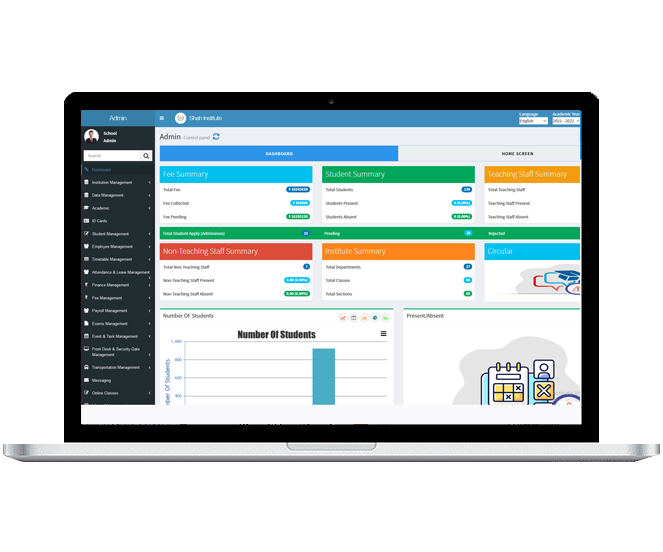
Modern attendance systems work best when they are integrated with other digital platforms used in school management. By connecting attendance tracking with other school systems, institutions can create a centralized platform that manages multiple administrative tasks efficiently. This integration improves data accuracy and allows school administrators to access comprehensive information about students from a single system.
8.1 Linking Attendance with Student Information Systems
Attendance systems can be connected to Student Information Systems (SIS), allowing schools to link attendance data with student profiles. This integration ensures that each attendance record is associated with the correct student details.
8.2 Integration with Fee Payment Systems
Some digital school platforms connect attendance records with fee management systems. This allows schools to monitor student participation while also tracking financial records and payment status.
8.3 Synchronization with Academic Performance Reports
Attendance data can be linked with academic reports to help schools analyze how attendance affects student performance. Administrators and teachers can easily identify patterns between class attendance and academic outcomes.
8.4 Integration with Parent Communication Platforms
Attendance systems can also integrate with SMS or mobile communication platforms. When students are absent or late, parents can receive instant notifications, improving communication between schools and families.
9. How Schools Can Implement a Student Attendance Management System

Implementing a student attendance management system requires careful planning and preparation. Schools need to evaluate their needs, choose the right technology, and train staff to ensure the system works effectively. A well-implemented attendance system can significantly improve school operations and record management.
9.1 Assessing School Needs and Infrastructure
Schools should begin by evaluating their student population, available technology infrastructure, and administrative requirements. This helps determine the most suitable attendance system for the institution.
9.2 Selecting the Right Attendance Technology
Schools can choose from several technologies such as biometric scanners, RFID cards, mobile attendance applications, or cloud-based attendance systems depending on their needs.
9.3 Training Teachers and Administrative Staff
Proper training ensures that teachers and administrative staff understand how to use the attendance system effectively. Training helps prevent errors and ensures smooth system operation.
9.4 Data Migration and System Setup
When transitioning from manual registers to digital systems, existing student data must be migrated into the new platform. The system should also be properly configured to match the school’s structure and requirements.
9.5 Continuous System Maintenance and Updates
Regular maintenance and software updates are important to keep the system secure and functioning properly. Schools should ensure that their attendance systems remain updated as technology evolves.
10. The Future of Student Attendance Systems in Kenya

The future of student attendance systems in Kenya is closely linked to the growth of digital education technologies. As schools adopt smarter administrative tools, attendance systems will continue evolving to become more automated, accurate, and intelligent.
10.1 Artificial Intelligence in Attendance Monitoring
Artificial intelligence can analyze attendance patterns and identify trends such as frequent absenteeism or irregular attendance. This helps schools take early action to support students.
10.2 Facial Recognition Technology in Schools
Facial recognition technology allows attendance to be recorded automatically when students enter classrooms or school premises, reducing the need for manual verification.
10.3 Smart Campus Systems
Many institutions are moving toward smart campus environments where multiple digital systems work together. Attendance tracking becomes part of a broader ecosystem that includes security, academic records, and communication systems.
10.4 Real-Time Analytics for School Management
Advanced attendance systems provide real-time analytics that help administrators understand attendance trends and make informed decisions to improve school performance.
11. Key Questions About Student Attendance Systems
11.1 What is a student attendance management system?
A student attendance management system is a digital platform used by schools to record and monitor student attendance electronically. It replaces traditional paper registers with automated systems that store attendance data securely.
11.2 Can attendance systems work in small schools?
Yes. Attendance systems can be scaled to suit both small and large schools. Even small institutions can benefit from digital attendance tracking because it improves record accuracy and administrative efficiency.
11.3 Are biometric attendance systems secure for students?
Biometric systems are designed with security measures that protect student data. Schools can implement privacy policies and secure databases to ensure that biometric information is handled safely.
11.4 Can parents receive attendance alerts?
Yes. Many attendance systems allow schools to send automatic notifications to parents through SMS, email, or mobile applications when a student is absent or late.
11.5 How long does it take to implement an attendance system?
Implementation time varies depending on the size of the school and the complexity of the system. In many cases, schools can install and configure a digital attendance system within a few days or weeks.
Transforming School Administration with Digital Attendance Systems

Student attendance management systems are becoming an essential tool for modern schools in Kenya. By replacing manual attendance registers with digital solutions, schools can improve record accuracy, save time, and manage student participation more effectively. These systems help teachers focus more on teaching while administrators gain better visibility into student attendance patterns.
Digital attendance platforms also create benefits for students and parents. Students become more accountable for their attendance, while parents can receive timely notifications when their children miss classes. This improved communication strengthens collaboration between schools and families, helping create a more supportive learning environment.
As education continues to embrace digital transformation, attendance management systems will play an increasingly important role in school administration. Schools that adopt these technologies can improve efficiency, enhance data management, and build smarter educational institutions prepared for the future of learning.
Table of Contents